IN
INundefined
Apparel & Fashion
Loading subcategories...
View More
Description
The Compaction Factor Apparatus is a precision-engineered testing instrument designed to determine the workability of concrete, particularly for low to medium workability mixes. It...
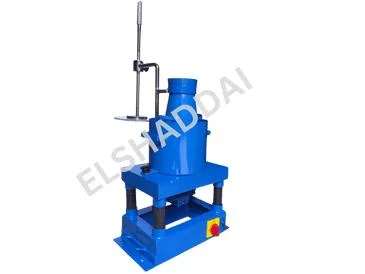
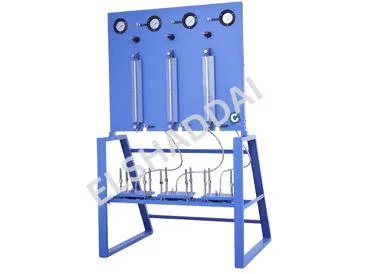
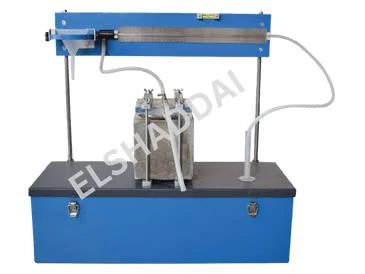
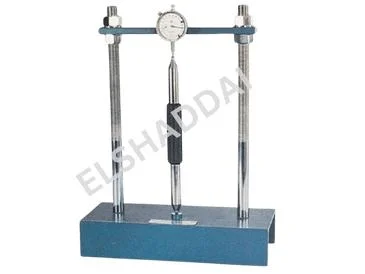
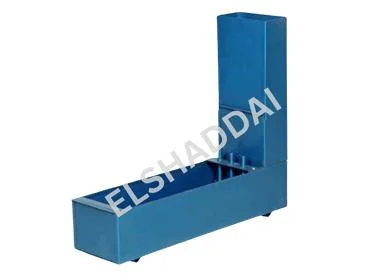
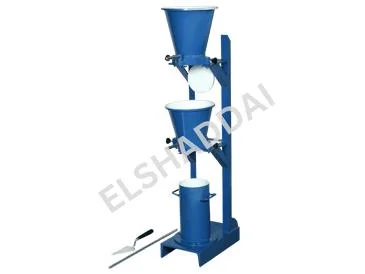
The Compaction Factor Apparatus is a precision-engineered testing instrument designed to determine the workability of concrete, particularly for low to medium workability mixes. It operates by comparing the weights of partially compacted and fully compacted concrete samples, providing a reliable Compaction Factor value that indicates how easily concrete can be placed and compacted without segregation. This method offers superior accuracy over traditional slump tests for stiff mixes, making it a trusted choice for engineers and quality control professionals who require consistent, repeatable results in concrete assessment and mix validation. Industries such as civil construction, highway engineering, and precast manufacturing rely on this apparatus for critical quality checks. It is widely used in road and pavement projects, bridge construction, and building foundations where concrete workability directly impacts structural integrity and longevity. Educational institutions and research centers also utilize it for training and R&D, while material testing labs employ it to ensure compliance with international standards, supporting everything from infrastructure development to commercial building projects with dependable performance data. The apparatus delivers significant business value by enhancing reliability, reducing material waste, and preventing costly rework through accurate workability measurement. Its robust design and customization options ensure suitability for diverse operational environments, from harsh job sites to controlled laboratories. By enabling precise concrete testing, it helps businesses maintain high quality standards, improve project timelines, and build trust with clients through demonstrated commitment to safety and compliance, making it a smart investment for serious buyers focused on long-term value.

Key Features:
- Dual conical hoppers with secure trap doors for controlled concrete flow
- Heavy-duty steel construction for durability and long-term use
- Precision calibration for accurate weight comparison and Compaction Factor calculation
- Easy-to-clean design to prevent concrete residue buildup
- Customizable dimensions and finishes to meet specific project requirements

Benefits:
- Ensures accurate workability assessment for low to medium concrete mixes
- Reduces risk of structural defects by verifying concrete consistency before placement
- Supports compliance with industry standards like IS and ASTM for quality assurance
- Enhances operational efficiency with straightforward, repeatable testing procedures
- Lowers long-term costs by minimizing material waste and rework through reliable data
Specifications
| Additional Information | |
|---|---|
| Country of Origin | 106 |
| Customisable | No |
Application
The Compaction Factor Apparatus is vital for evaluating concrete workability in construction and material testing. It delivers precise data for quality assurance, helping engineers and contractors maintain structural integrity and compliance with industry standards across diverse projects, from infrastructure to commercial builds. This tool is indispensable for laboratories, R&D centers, and field applications where accurate concrete assessment is critical for safety and performance, ensuring mixes meet specified workability ranges before placement and curing. Real-world appli

cations: - Highway and pavement construction for testing stiff concrete mixes to ensure durability and load-bearing capacity - Rigid concrete structures in bridges and buildings to verify workability before pouring, reducing voids and defects - Civil engineering educational labs for hands-on training and research on concrete properties and mix design - Precast concrete manufacturing plants to control batch consistency and optimize production efficiency - Road maintenance and repair projects to assess concrete workability for patches and overlays, ensuring long-term performance
Real-world applications:
- Highway and pavement construction for testing stiff concrete mixes to ensure durability and load-bearing capacity
- Rigid concrete structures in bridges and buildings to verify workability before pouring, reducing voids and defects
- Civil engineering educational labs for hands-on training and research on concrete properties and mix design
- Precast concrete manufacturing plants to control batch consistency and optimize production efficiency
- Road maintenance and repair projects to assess concrete workability for patches and overlays, ensuring long-term performance
Trade Details
| Available Stock | In stock |
| Sample Availability | No |
Payment Terms
| Payment Terms |
|
Shipping & Logistics
| Shipping Internationally | No | |
| Methods | -- | |
| IncoTerms | -- | |
| Port of Dispatch | Chennai | |
| Packaging Type | -- | |
| Units per Package | -- | |
| Barcode / HSN / GTIN / UPC | -- | |
| Dispatch Lead time | -- |
Company Profile

Elshaddai Engineering Equipments, Tamil Nadu Tamil Nadu, India
Tamil Nadu, IndiaIndustrial Equipment & Machinery•ManufacturerImporter / Exporter
Factory Details
Factory SizeBelow 1000 sqm
Concrete Compaction Factor Apparatus for Workability Testing in Construction
The Compaction Factor Apparatus accurately measures concrete workability for low to medium mixes, essential for construction quality control, civil engineering labs, and reliable concrete testing in road and pavement projects.
Min. Order Quantity: 1 Unit
Shipping
Shipping fee and delivery date to be negotiated. Contact supplier now for more details.
Elshaddai Engineering Equipments
 Tamil Nadu, India
Tamil Nadu, IndiaIndustrial Equipment & MachineryManufacturer