IN
IN₹
Apparel & Fashion
Loading subcategories...
View More
Description
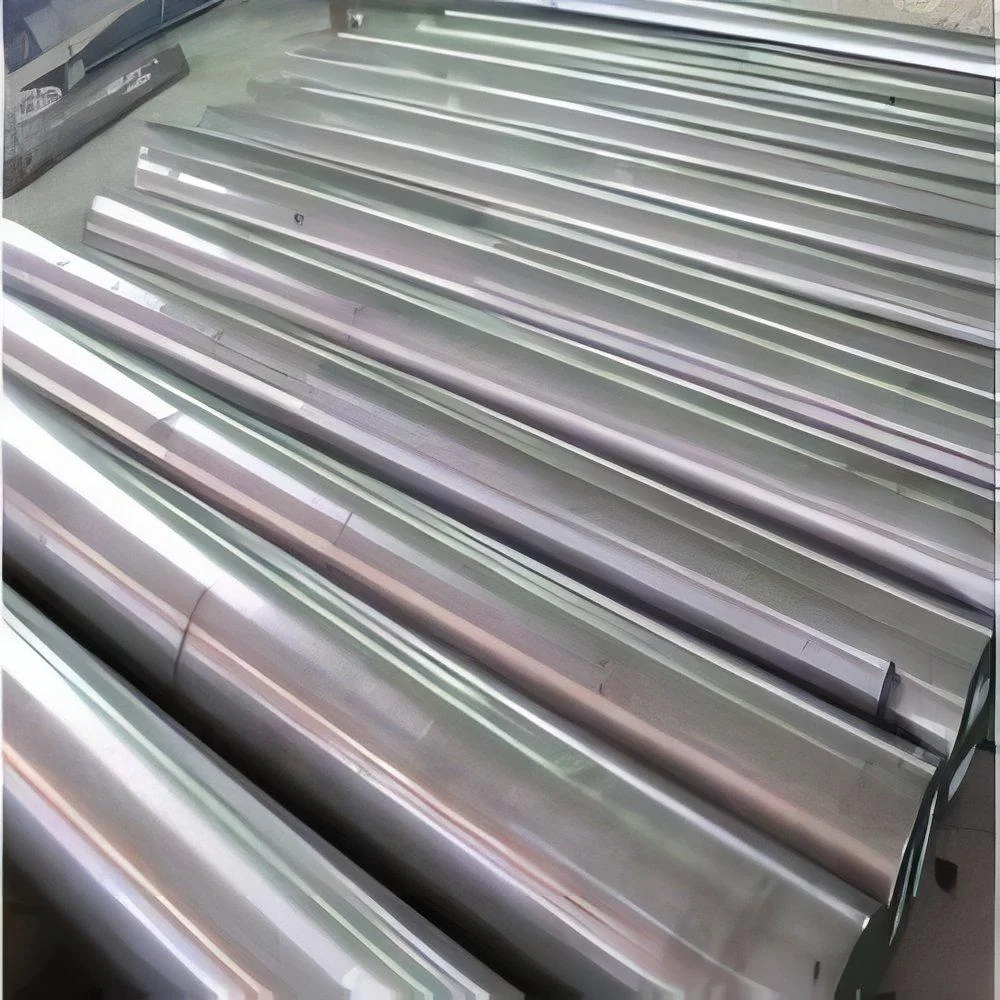
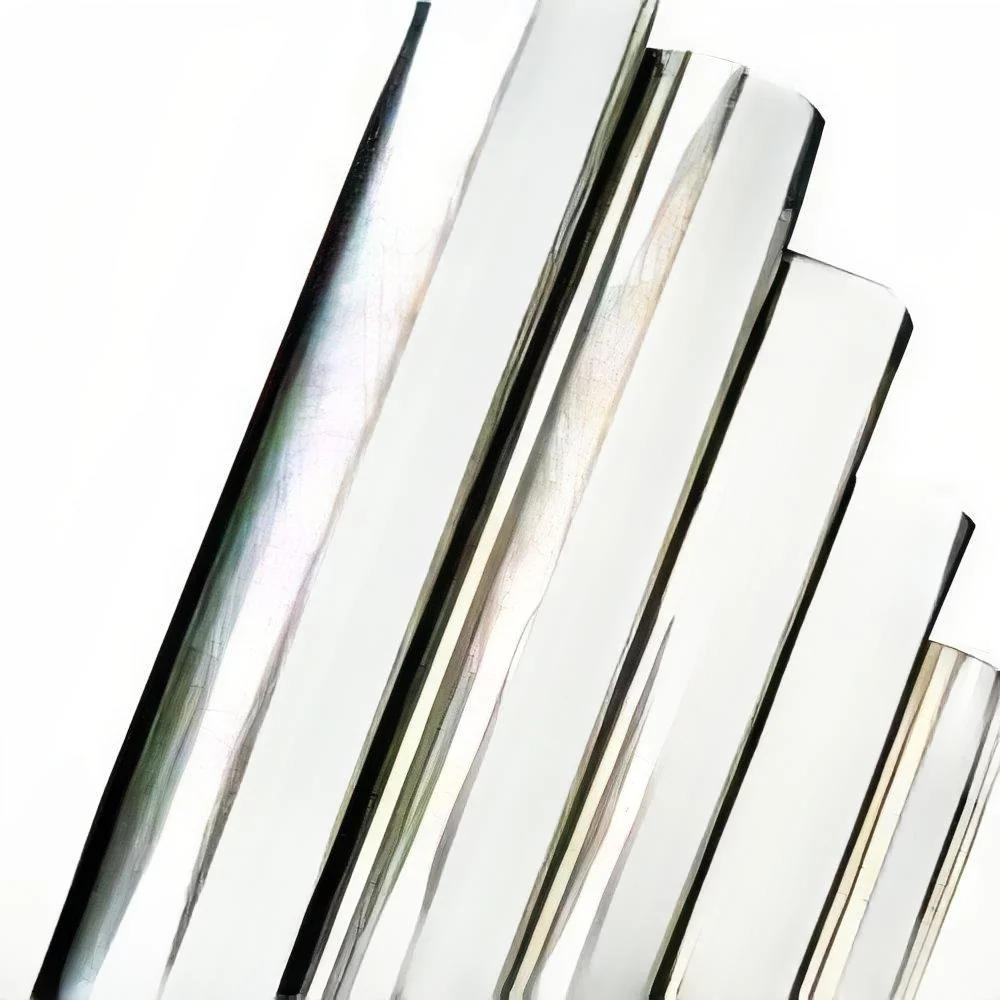
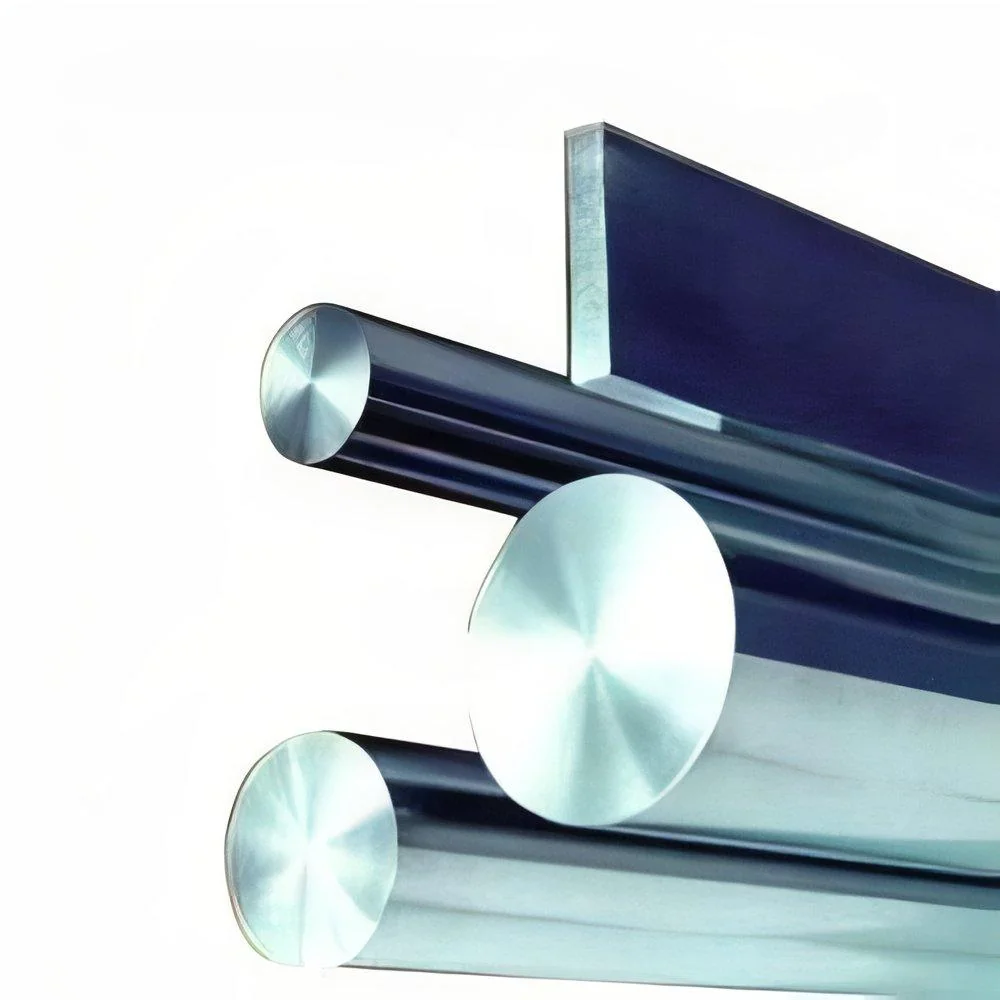
Industrial case hardening materials are specialized compounds engineered to enhance metal surface properties through precise thermal and chemical processes. Sourced from certified suppliers with rigorous quality verification, these materials deliver consistent performance for surface hardening applications. They facilitate the creation of a hardened exterior layer on metal components while carefully preserving the core material's inherent toughness and ductility. This balanced approach to surface enhancement is invaluable for manufacturers who require components that can withstand both surface wear and structural stress. The reliability of these materials is rooted in controlled manufacturing processes and strict quality assurance protocols that guarantee consistent results from batch to batch, ensuring dependable integration into your production line.

Multiple industrial sectors utilize these case hardening materials to improve component performance and extend service life significan...
Industrial case hardening materials are specialized compounds engineered to enhance metal surface properties through precise thermal and chemical processes. Sourced from certified suppliers with rigorous quality verification, these materials deliver consistent performance for surface hardening applications. They facilitate the creation of a hardened exterior layer on metal components while carefully preserving the core material's inherent toughness and ductility. This balanced approach to surface enhancement is invaluable for manufacturers who require components that can withstand both surface wear and structural stress. The reliability of these materials is rooted in controlled manufacturing processes and strict quality assurance protocols that guarantee consistent results from batch to batch, ensuring dependable integration into your production line.

Multiple industrial sectors utilize these case hardening materials to improve component performance and extend service life significantly. Automotive manufacturers apply these compounds to transmission gears, crankshafts, and camshafts to withstand constant friction and mechanical loading. Aerospace engineering relies on surface-hardened components for critical aircraft systems where fatigue resistance and durability are non-negotiable. Heavy machinery producers incorporate hardened parts in gearboxes, bearing assemblies, and hydraulic systems that operate under extreme conditions. Tool and die manufacturers extend product lifespan through surface hardening of cutting tools, molds, and forming equipment. The construction equipment industry benefits from hardened pins, bolts, and structural components that maintain integrity in abrasive environments, ensuring equipment remains operational under challenging site conditions.

The commercial value of premium case hardening materials lies in their ability to reduce operational downtime and maintenance requirements while extending component service cycles. Manufacturers achieve substantial cost savings through reduced replacement frequency and improved equipment reliability. The consistent quality of these materials ensures predictable outcomes in hardening processes, allowing for precise engineering specifications and performance expectations. Businesses benefit from enhanced product durability that translates directly to customer satisfaction and a strengthened market reputation. The technical superiority of these materials provides competitive advantages in industries where component failure carries significant operational and safety consequences, making them a strategic investment for long-term operational efficiency and product quality.

Key Features:
- Certified sourcing from verified suppliers ensuring material quality and consistency
- Enhanced surface hardness creation while maintaining core material toughness
- Compatibility with multiple hardening processes including carburizing and nitriding
- Improved wear resistance properties for extended component service life
- Consistent performance across production batches for reliable results

Benefits:
- Extended component lifespan reducing replacement frequency and costs
- Improved operational reliability through enhanced wear resistance
- Reduced maintenance requirements and associated downtime
- Consistent performance ensuring predictable manufacturing outcomes
- Enhanced product durability supporting customer satisfaction and trust
Specifications
| Additional Information | |
|---|---|
| Country of Origin | India |
| Customisable | No |
Application
Industrial case hardening materials are essential for surface treatment processes that significantly improve metal component longevity. These specialized materials create a hardened exterior layer through carburizing, nitriding, and carbonitriding methods while maintaining a tough, ductile core structure. This dual-property characteristic makes them ideal for components subjected to extreme mechanical stress and repetitive motion in demanding operational environments across multiple sectors.
Manufacturing industries rely on these hardening compounds for critical parts requiring enhanced surface properties without compromising overall component toughness. The automotive sector utilizes them for transmission components, while aerospace applications benefit from improved fatigue resistance in structural elements. Machinery producers depend on these materials for industrial gear systems, bearing assemblies, and rotating shafts that must withstand continuous operation under heavy loads and challenging conditions.
- Automotive transmission systems for hardening gear teeth and shaft surfaces against wear
- Aerospace components including landing gear parts and turbine elements requiring fatigue resistance
- Industrial machinery manufacturing for gears, bearings, and drive components in heavy equipment
- Tool production for cutting implements, dies, and molds needing extended service life
- Construction equipment for reinforcing hydraulic components, pins, and fastening systems
Trade Details
| Available Stock | In Stock |
| Sample Availability | No |
Payment Terms
| Payment Terms |
|
Company Profile
Padmavati Steel, Maharashtra
 Maharashtra, India
Maharashtra, IndiaConstruction•Trading Company•Distributor / Wholesaler•Importer / Exporter
Factory Details
Factory SizeBelow 1000 sqm
Annual Production Capacity0
Industrial Case Hardening Materials For Metal Surface Durability
Industrial case hardening materials enhance metal surface durability and wear resistance for automotive, aerospace, and machinery manufacturing applications with reliable performance from certified suppliers.
Min. Order Quantity: 1 unit
Shipping
Shipping fee and delivery date to be negotiated. Contact supplier now for more details.
Padmavati Steel
 Maharashtra, India
Maharashtra, IndiaConstructionTrading Company