IN
INundefined
Apparel & Fashion
Loading subcategories...
View More
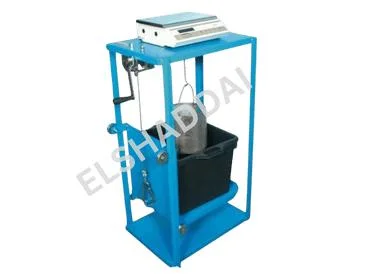
Description
The Buoyancy Balance represents precision engineering in material testing instrumentation, specifically designed to determine specific gravity and density of aggregates through sop...
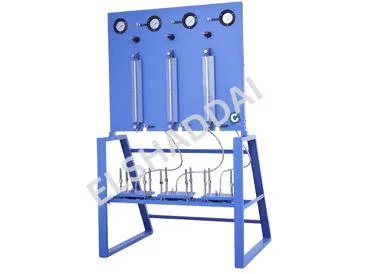
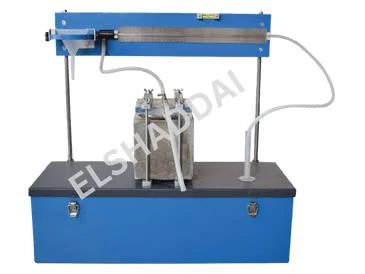
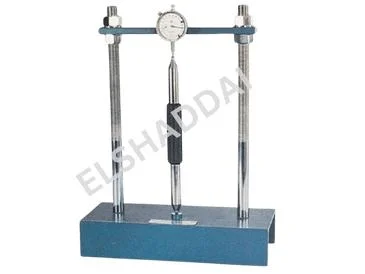
The Buoyancy Balance represents precision engineering in material testing instrumentation, specifically designed to determine specific gravity and density of aggregates through sophisticated air-water weight differential measurements. Operating on the fundamental principle of Archimedes' buoyancy theory, this apparatus accurately calculates the apparent weight loss when samples are submerged, providing reliable data for construction material analysis. The system comprises a robust rigid frame, calibrated water tank, and high-precision digital or mechanical balance components that deliver consistent readings meeting IS: 2386 (Part III) and ASTM C127 standards. Its straightforward operation and minimal maintenance requirements make it an essential tool for laboratories and field testing stations requiring dependable aggregate characterization.

Across the construction and civil engineering sectors, this testing instrument plays a pivotal role in quality assurance protocols. Construction material manufacturers utilize Buoyancy Balance to verify aggregate quality before concrete production, while government infrastructure agencies employ it for compliance testing in road and bridge projects. Geotechnical engineering firms rely on its accuracy for soil and aggregate analysis in foundation design, and academic research institutions incorporate it into material science studies. The mining and quarrying industries depend on consistent buoyancy measurements to classify materials, and environmental testing laboratories use it for sediment density analysis in ecological assessments.

The business value of Buoyancy Balance extends beyond mere compliance to tangible operational advantages. Its precision engineering reduces material testing errors, minimizing costly construction defects and project delays. The instrument's reliability ensures consistent results across multiple operators and testing conditions, building trust in material specifications and reducing liability risks. Customization options allow businesses to tailor the apparatus to specific operational requirements, while its durable construction ensures long-term service with minimal maintenance costs. This combination of accuracy, reliability, and operational efficiency makes it a smart investment for businesses prioritizing quality control and sustainable operational practices.

Key Features:
- Precision measurement of specific gravity and density through air-water weight comparisons
- Compliance with international standards including IS: 2386 (Part III) and ASTM C127
- Robust construction with rigid frame and corrosion-resistant components
- Digital or mechanical balance options for accurate weight measurements
- Customizable configurations to meet specific laboratory or field testing requirements

Benefits:
- Ensures construction material quality and compliance with regulatory standards
- Reduces project risks by identifying unsuitable aggregates before concrete production
- Delivers consistent, repeatable results across multiple operators and testing conditions
- Minimizes long-term operational costs through durable, low-maintenance design
- Supports informed decision-making in concrete mix design and material selection
Specifications
| Additional Information | |
|---|---|
| Country of Origin | 106 |
| Customisable | No |
Application
The Buoyancy Balance serves critical quality assurance functions across construction and material testing sectors. Its precise measurement capabilities ensure compliance with international standards like ASTM and IS codes, making it indispensable for infrastructure development projects and material research initiatives where accurate density calculations directly impact structural integrity and longevity.

This testing instrument finds widespread adoption in industries requiring rigorous material verification processes. From government infrastructure projects to private construction firms and academic research institutions, professionals rely on its consistent performance for determining aggregate suitability, water absorption rates, and material density parameters that influence concrete mix designs and construction methodologies. Real-world applications:
Real-world applications:
- Quality control testing for concrete aggregate materials in ready-mix plants
- Material verification for road construction and pavement engineering projects
- Research and development in civil engineering laboratories and universities
- Construction material import/export compliance and certification testing
- Infrastructure project monitoring for dams, bridges, and building foundations
Trade Details
| Available Stock | In stock |
| Sample Availability | No |
Payment Terms
| Payment Terms |
|
Shipping & Logistics
| Shipping Internationally | No | |
| Methods | -- | |
| IncoTerms | -- | |
| Port of Dispatch | Chennai | |
| Packaging Type | -- | |
| Units per Package | -- | |
| Barcode / HSN / GTIN / UPC | -- | |
| Dispatch Lead time | -- |
Company Profile

Elshaddai Engineering Equipments, Tamil Nadu Tamil Nadu, India
Tamil Nadu, IndiaIndustrial Equipment & Machinery•ManufacturerImporter / Exporter
Factory Details
Factory SizeBelow 1000 sqm
Buoyancy Balance For Aggregate Density Testing In Construction
Buoyancy Balance precisely measures specific gravity and density of aggregates, sand, and construction materials through air-water weight comparisons. Essential for quality control in civil engineering and concrete testing laboratories.
Min. Order Quantity: 1 Unit
Shipping
Shipping fee and delivery date to be negotiated. Contact supplier now for more details.
Elshaddai Engineering Equipments
 Tamil Nadu, India
Tamil Nadu, IndiaIndustrial Equipment & MachineryManufacturer