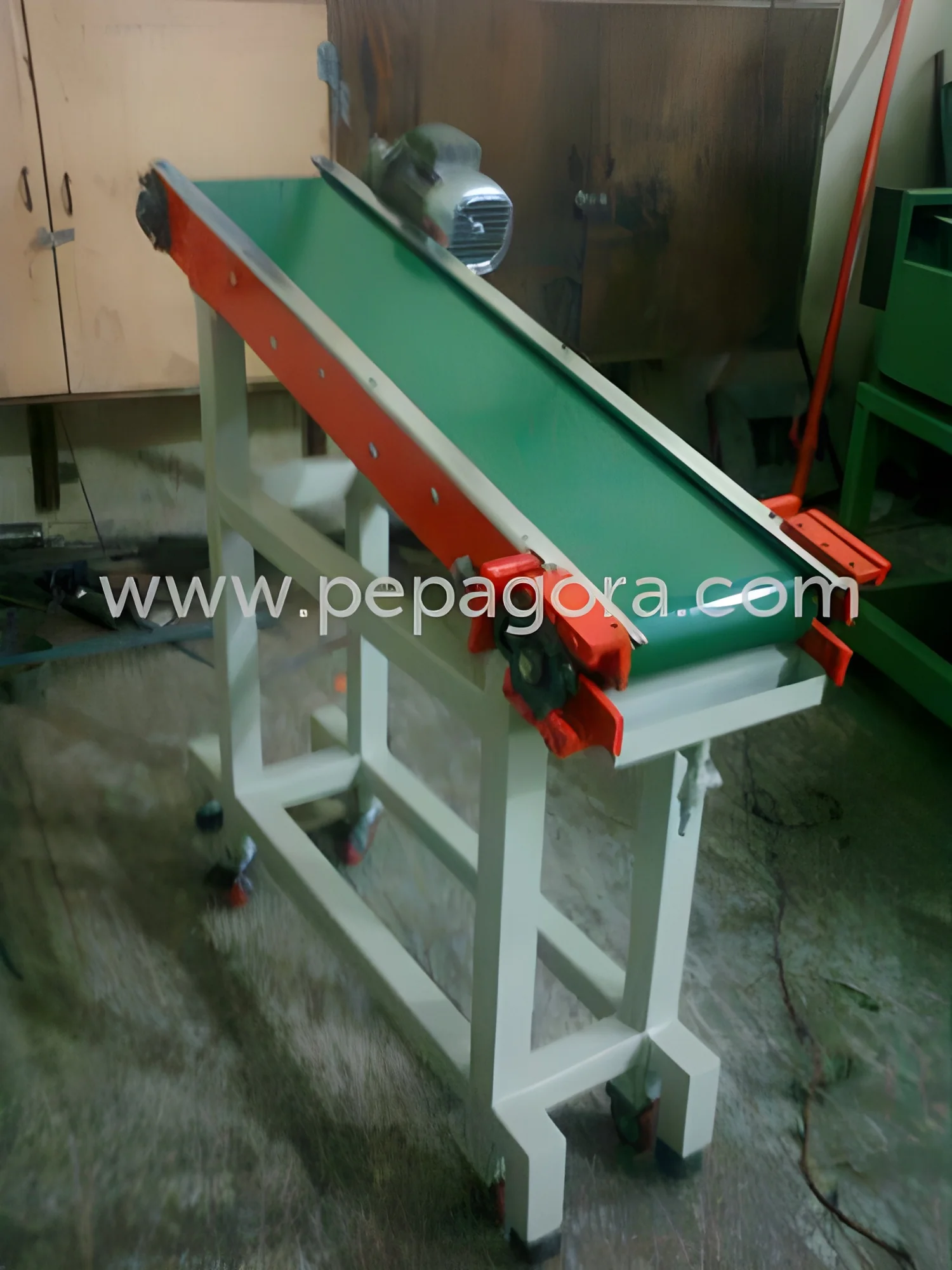
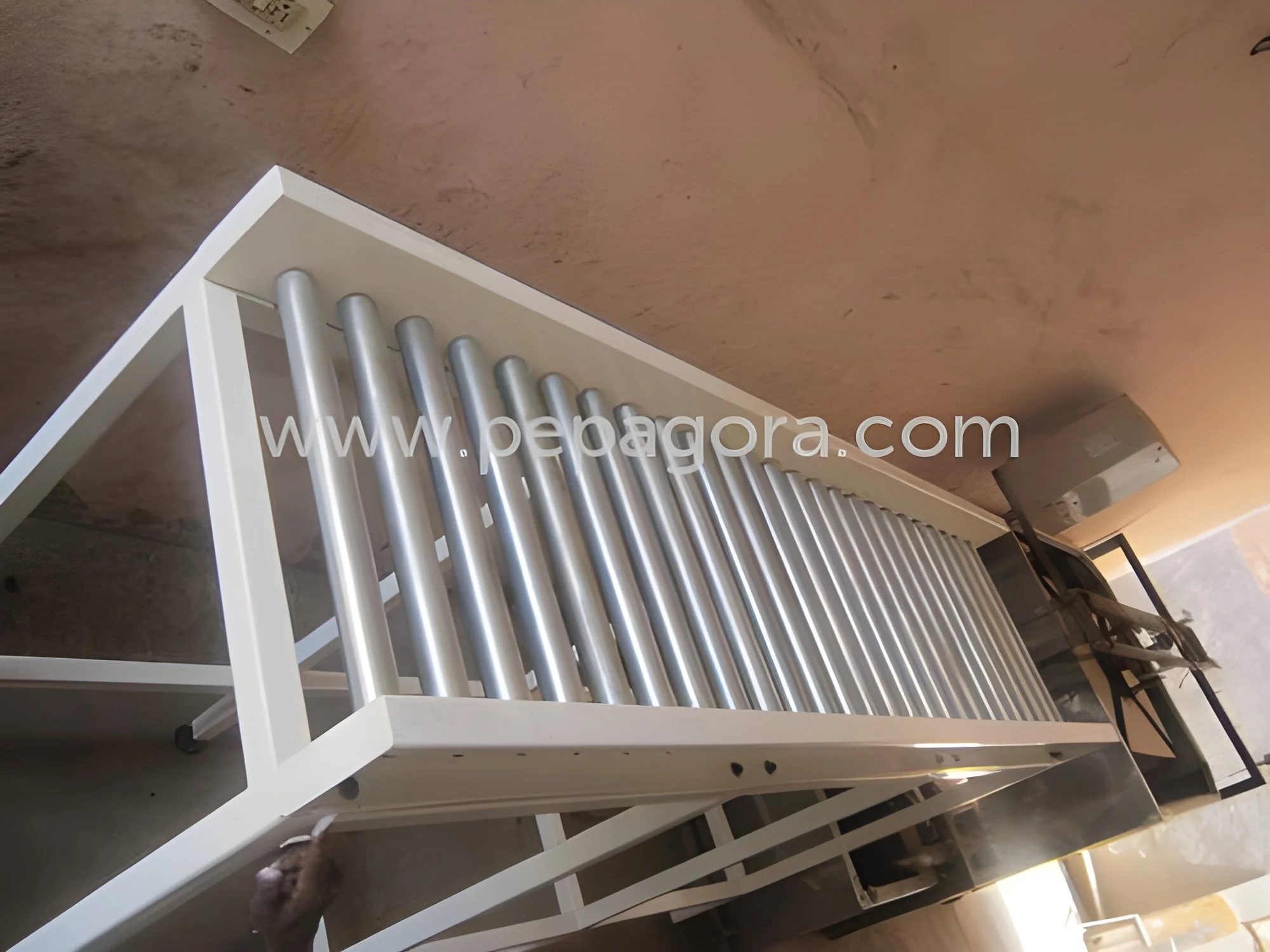
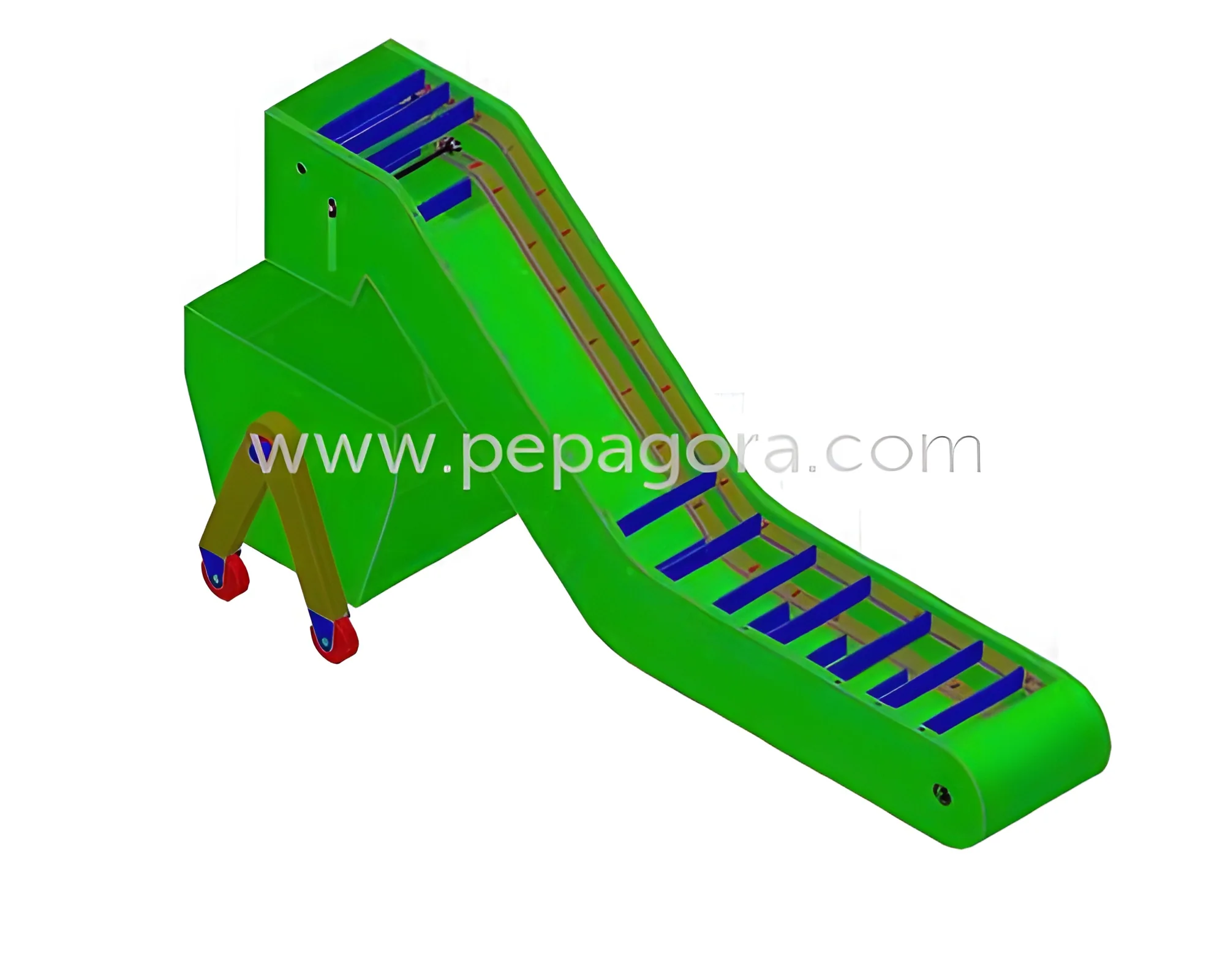
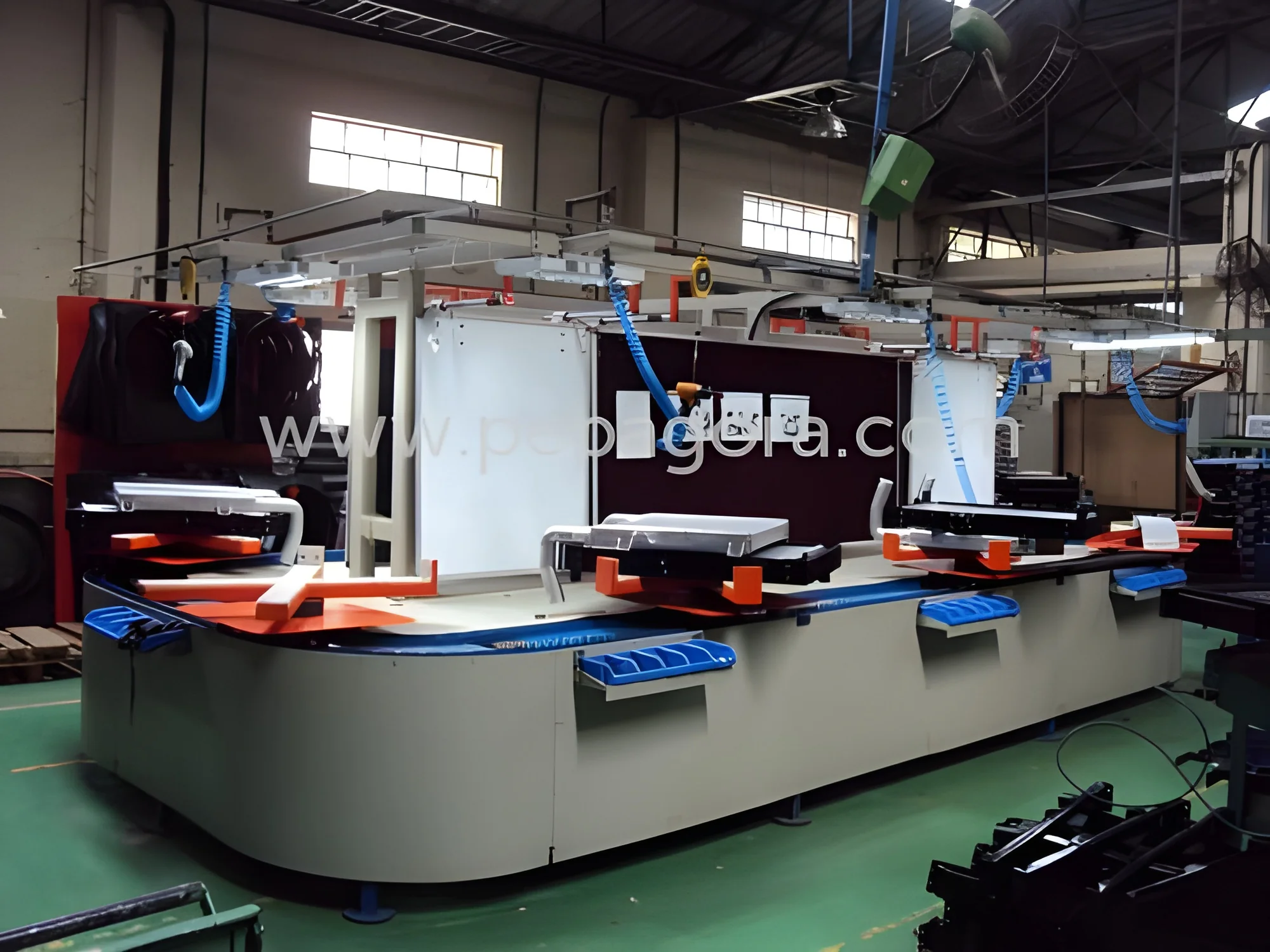
IN
IN₹
Apparel & Fashion
Description
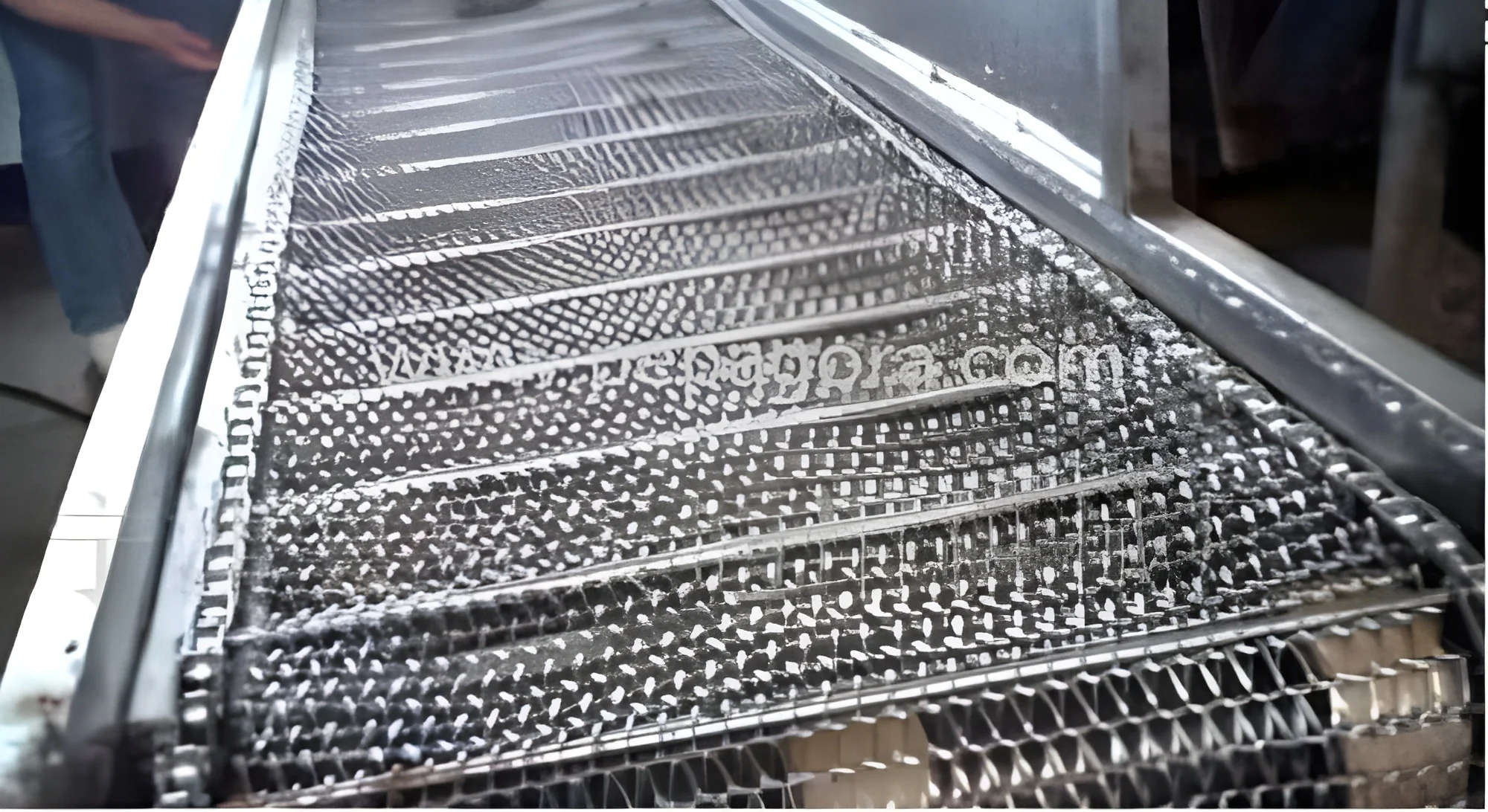
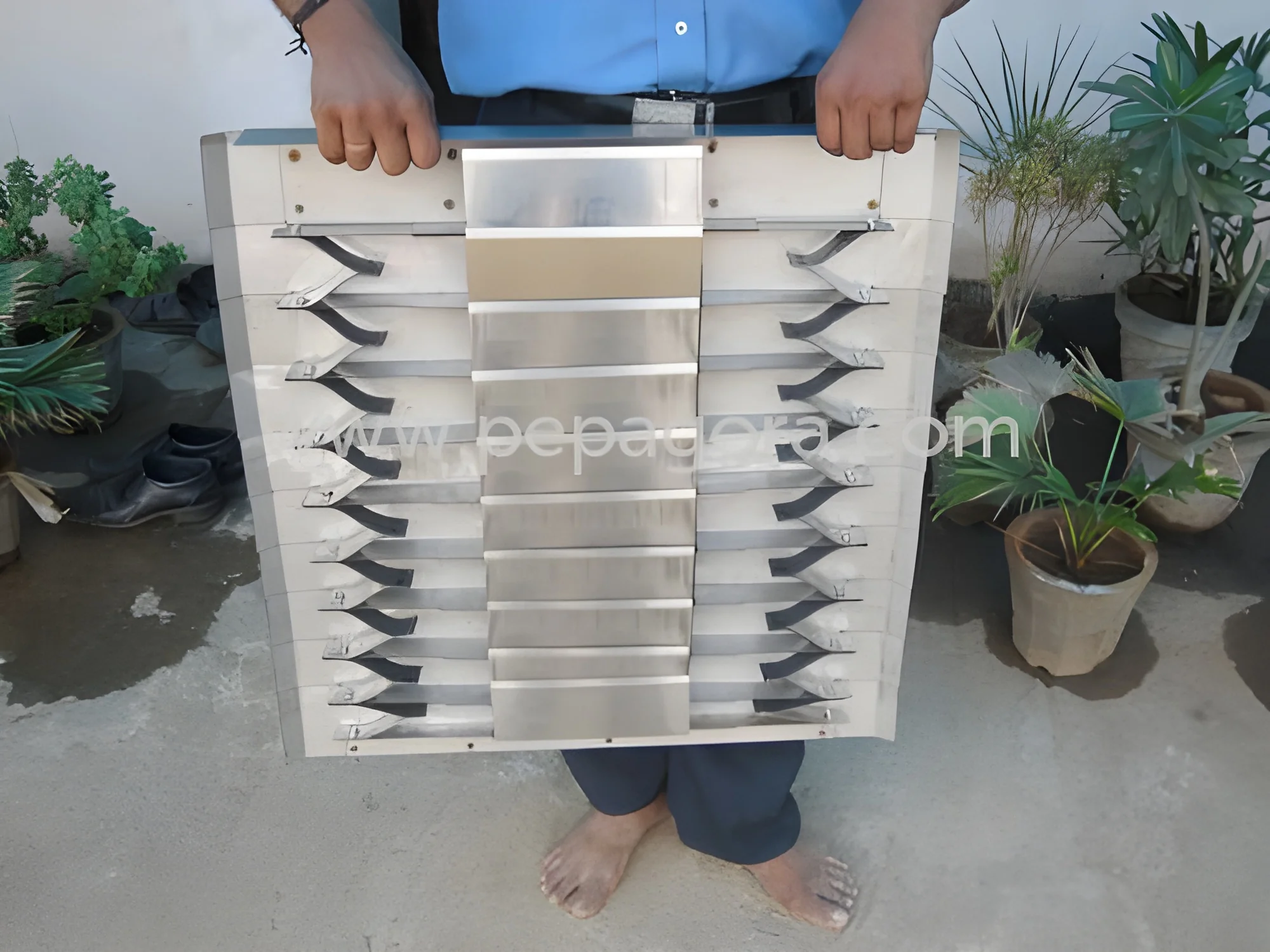
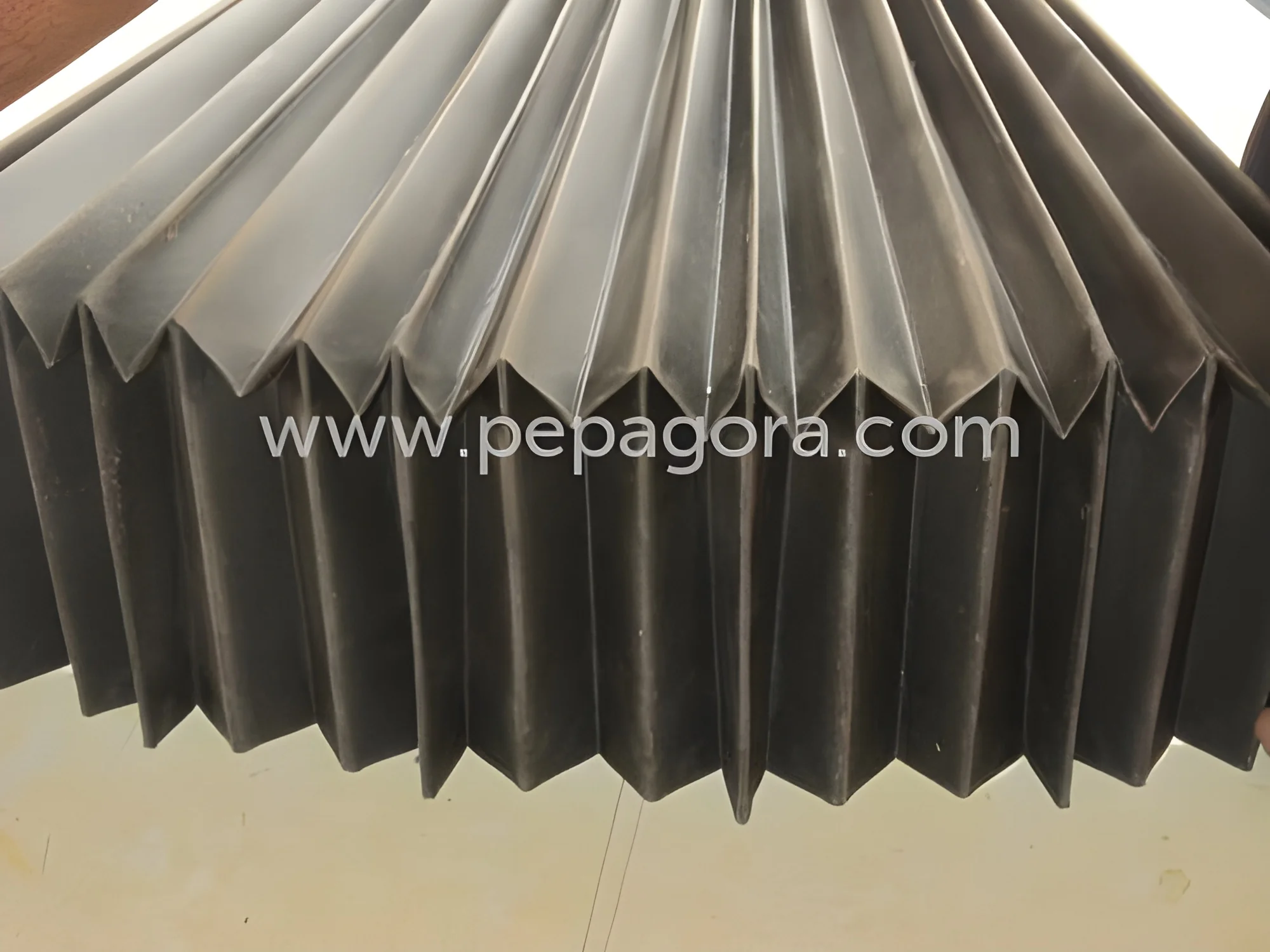
Industrial bellows serve as critical protective components designed to safeguard machinery from environmental damage and contaminants. Our bellows feature robust construction with rust-proof materials that ensure durability and extended service life in challenging industrial settings. Engineered to accommodate various types of mechanical motion while maintaining protective integrity, these components provide reliable shielding for equipment requiring consistent performance. The straightforward installation design minimizes downtime during maintenance or replacement procedures, while standard specifications ensure compatibility with most industrial machinery. These bellows represent a practical solution for businesses seeking to enhance equipment longevity and reduce maintenance expenses through effective contamination prevention.

These protective bellows serve numerous industries where machinery protection is essential for operational continuity. In manufacturing and automation sector...
Industrial bellows serve as critical protective components designed to safeguard machinery from environmental damage and contaminants. Our bellows feature robust construction with rust-proof materials that ensure durability and extended service life in challenging industrial settings. Engineered to accommodate various types of mechanical motion while maintaining protective integrity, these components provide reliable shielding for equipment requiring consistent performance. The straightforward installation design minimizes downtime during maintenance or replacement procedures, while standard specifications ensure compatibility with most industrial machinery. These bellows represent a practical solution for businesses seeking to enhance equipment longevity and reduce maintenance expenses through effective contamination prevention.

These protective bellows serve numerous industries where machinery protection is essential for operational continuity. In manufacturing and automation sectors, they protect precision components in CNC machines, robotic systems, and assembly lines from metal particles, coolants, and environmental contaminants. The construction industry utilizes them for heavy equipment protection against dirt, rocks, and weather exposure. Automotive manufacturers depend on bellows for safeguarding production line equipment, while agricultural operations employ them to protect machinery from dust, moisture, and crop residues. Medical device manufacturers use these protective covers for sensitive instrumentation, and material handling systems incorporate bellows for conveyor protection, demonstrating their versatility across virtually all industries operating mechanical equipment in demanding conditions.

The business value of our industrial bellows lies in their capacity to significantly reduce equipment downtime and maintenance expenditures while extending machinery operational lifespan. By preventing contamination and damage to critical components, these protective covers help maintain optimal equipment performance and productivity levels. The rust-proof construction ensures reliable operation even in corrosive industrial environments, reducing replacement frequency and associated costs. The standardized design and straightforward installation features translate to minimal labor requirements and faster implementation timelines. With OEM supply capabilities and guaranteed on-time delivery, businesses can trust our bellows to meet production schedules and quality standards, making them a strategic investment for operational efficiency and cost management.

Key Features:
- Robust construction providing maximum durability and impact resistance
- Rust-proof materials suitable for corrosive industrial environments
- Standard design ensuring compatibility with most machinery and equipment
- Easy installation process reducing downtime and labor requirements
- OEM supply capability guaranteeing consistent quality and specifications

Benefits:
- Extended equipment lifespan through effective contamination protection
- Reduced maintenance costs and frequency of component replacements
- Minimal operational downtime during installation and maintenance
- Reliable performance in harsh and corrosive industrial environments
- Consistent quality and specifications through OEM manufacturing standards
Specifications
| Key Attributes | |
|---|---|
| Type | Bellows |
| Supply Type | OEM |
| Price | Negotiable |
| Condition | New |
| Standard or Nonstandard | Standard |
| Advantage | Easy to install |
| Delivery | On Time Delivery |
| Application | Industrial Applications |
| Feature | Rust proof nature |
| Sonstruction | Robust construction |
| Additional Information | |
|---|---|
| Country of Origin | India |
Application
Our industrial bellows provide essential protection for machinery operating in demanding conditions. The rust-proof construction withstands corrosive environments while effectively shielding equipment from dust, debris, and contaminants. These bellows accommodate movement and vibration without compromising their protective capabilities, ensuring long-term reliability for critical industrial operations across multiple sectors and applications.
Designed for straightforward installation and maintenance, these standard bellows minimize operational downtime and reduce labor costs. Their compatibility with various machinery types offers flexibility while maintaining consistent performance. The OEM supply model guarantees quality control and specification adherence, providing businesses with reliable components that integrate seamlessly into existing systems and production workflows.
- Protecting CNC machine linear guides and ball screws from metal chips and coolant
- Shielding hydraulic cylinders in construction equipment from abrasive materials
- Covering robotic arms in automotive manufacturing to prevent contamination
- Enclosing precision instruments in medical equipment production facilities
- Safeguarding agricultural machinery components from weather and field debris
Trade Details
| Available Stock | In Stock |
| Sample Availability | No |
Payment Terms
| Payment Terms |
|
Company Profile

Sri Krishna Enterprises, Tamil Nadu
 Tamil Nadu, India
Tamil Nadu, IndiaIndustrial Equipment & Machinery•Manufacturer•Distributor / Wholesaler•Importer / Exporter
Factory Details
Factory SizeBelow 1000 sqm
Annual Production Capacity0
Main Markets
Eastern Asia
Industrial Bellows OEM Rust Proof Easy Install Standard New
Industrial Bellows OEM rust-proof protection covers feature robust construction and easy installation for machinery in harsh environments. Standard design ensures reliable performance and on-time delivery for industrial applications.
Min. Order Quantity: 1 piece
Shipping
Shipping fee and delivery date to be negotiated. Contact supplier now for more details.
Sri Krishna Enterprises
 Tamil Nadu, India
Tamil Nadu, IndiaIndustrial Equipment & MachineryManufacturer