IN
IN₹
Apparel & Fashion
Description
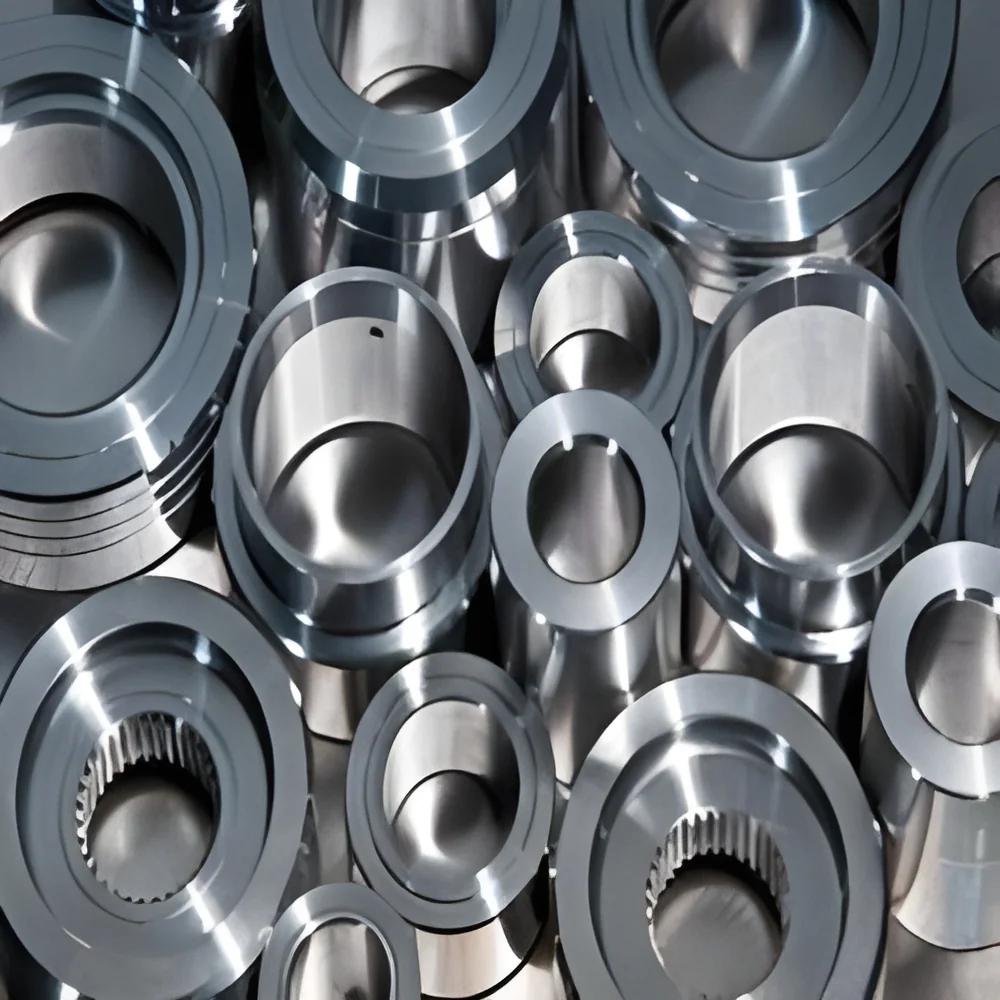
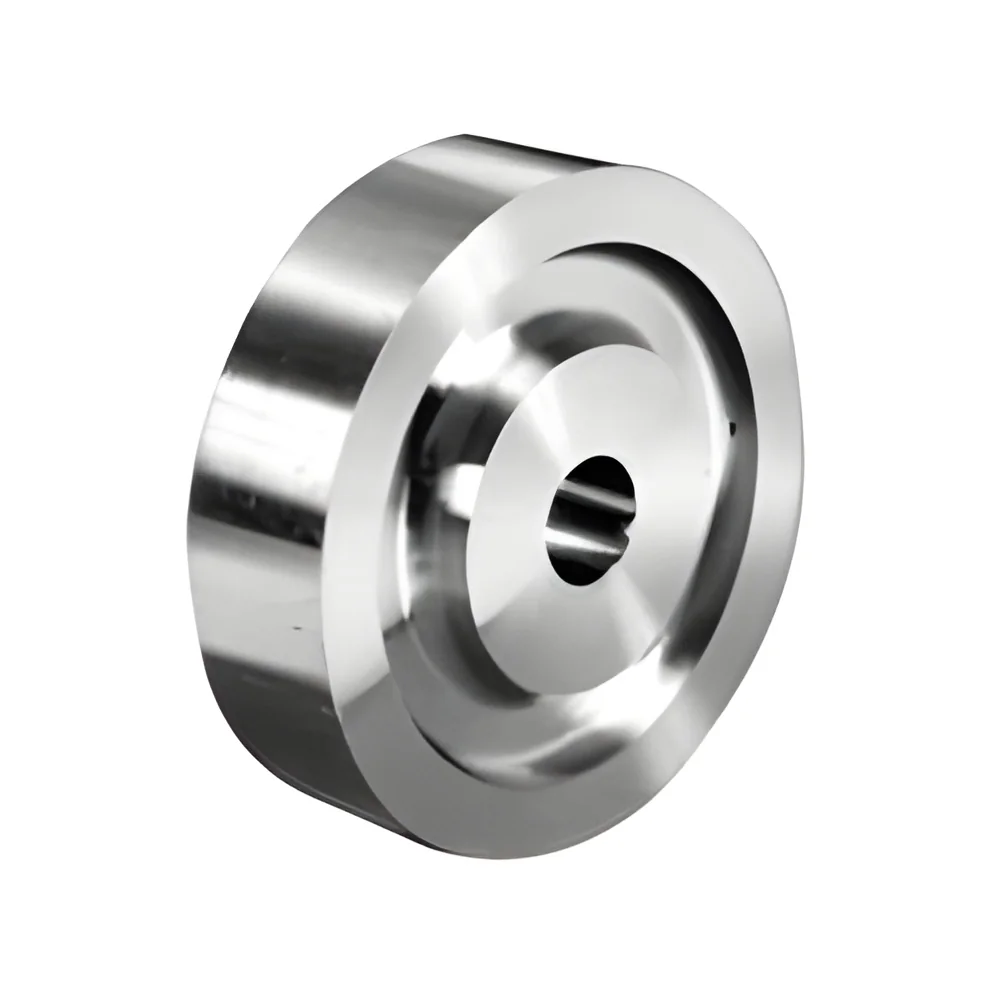
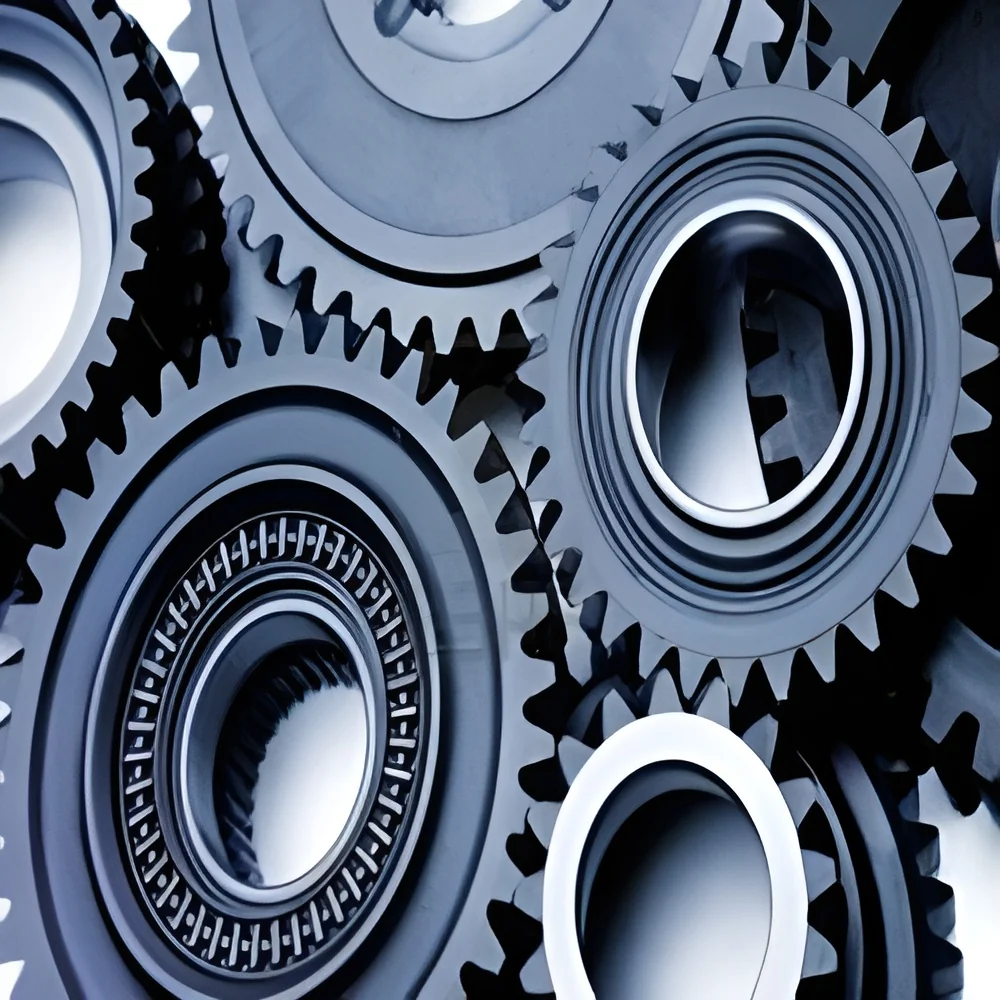
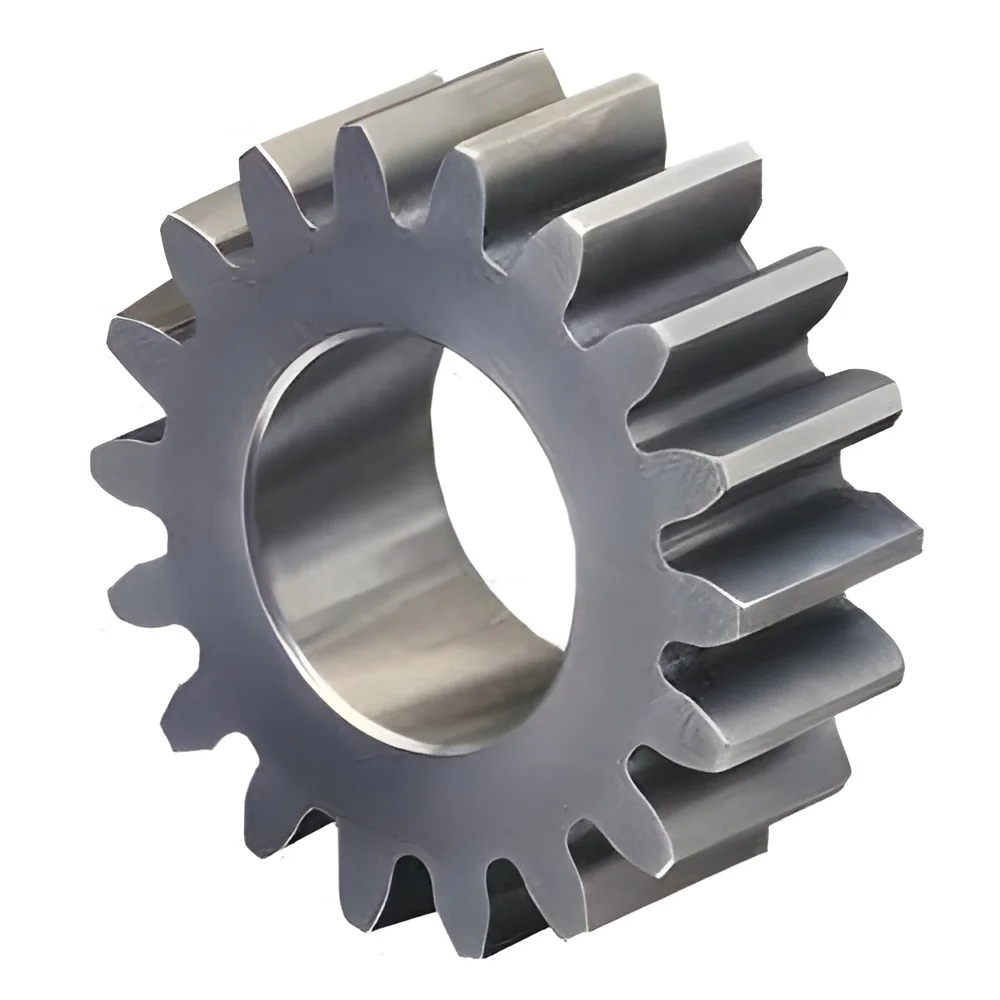
Automotive gears represent precision-engineered components essential for effective power transmission within vehicle systems. These rotating machine elements are designed to mesh perfectly with complementary gears, creating efficient torque transfer mechanisms that convert engine power into controlled motion. Unlike standard mechanical components, automotive gears undergo rigorous testing for durability, noise reduction, and thermal resistance. They are manufactured to exact tolerances using advanced metallurgy and cutting processes, ensuring consistent performance under varying load conditions and operational stresses. The fundamental purpose extends beyond simple rotation—they enable speed variation, direction changes, and power distribution that form the core of modern automotive functionality.

These precision gears find extensive application across multiple automotive sectors, serving critical functions in passenger vehicles, commercial transportation, and specialized machinery. I...
Automotive gears represent precision-engineered components essential for effective power transmission within vehicle systems. These rotating machine elements are designed to mesh perfectly with complementary gears, creating efficient torque transfer mechanisms that convert engine power into controlled motion. Unlike standard mechanical components, automotive gears undergo rigorous testing for durability, noise reduction, and thermal resistance. They are manufactured to exact tolerances using advanced metallurgy and cutting processes, ensuring consistent performance under varying load conditions and operational stresses. The fundamental purpose extends beyond simple rotation—they enable speed variation, direction changes, and power distribution that form the core of modern automotive functionality.

These precision gears find extensive application across multiple automotive sectors, serving critical functions in passenger vehicles, commercial transportation, and specialized machinery. In passenger cars, they form the backbone of transmission systems, enabling smooth gear shifts and fuel efficiency. Commercial vehicle manufacturers integrate them into heavy-duty transmissions capable of handling substantial payloads and demanding operating conditions. The agricultural sector utilizes specialized gears in tractors and harvesting equipment, while construction machinery depends on their robustness in excavators and loaders. Additionally, the emerging electric vehicle market requires custom gear solutions optimized for high-torque electric motors and regenerative braking systems.

The business value of premium automotive gears lies in their direct impact on vehicle performance, reliability, and total cost of ownership. Manufacturers who specify high-quality gears benefit from reduced warranty claims, enhanced brand reputation, and improved customer satisfaction. These components deliver operational reliability through superior material selection, precision manufacturing, and comprehensive quality assurance processes. The customization options available allow businesses to source gears tailored to specific applications, ensuring perfect compatibility with existing systems. This results in longer service intervals, reduced maintenance costs, and improved operational efficiency throughout the product lifecycle.

Key Features:
- Precision engineered for perfect meshing and smooth power transmission
- Manufactured from high-grade materials for enhanced durability and wear resistance
- Customizable specifications including size, tooth profile, and gear ratios
- Rigorous quality testing for noise reduction and thermal performance
- Advanced surface treatments for corrosion protection and extended lifespan

Benefits:
- Enhanced vehicle performance through efficient power transmission
- Reduced maintenance requirements and longer service life
- Improved fuel efficiency and operational economy
- Consistent reliability under demanding operating conditions
- Perfect compatibility with existing automotive systems
Specifications
| Additional Information | |
|---|---|
| Country of Origin | India |
Application
Automotive gears are essential components in vehicle transmission systems, enabling efficient power transfer and speed variation. They are engineered to withstand high torque and stress while maintaining precise alignment for optimal performance. These gears ensure reliable operation across diverse driving conditions, from daily commuting to demanding commercial applications.
Our automotive gears serve critical functions across passenger vehicles, commercial transportation, and heavy machinery. They are manufactured to meet exact specifications for gear ratios, noise reduction, and operational longevity. Industry professionals trust these components for their consistent quality and ability to enhance overall vehicle efficiency and driving performance.
- Manual and automatic transmission systems in passenger vehicles
- Differential gears for power distribution in rear-wheel drive systems
- Steering mechanism gears for precise vehicle control and handling
- Timing gears in engine systems for synchronized valve operation
- Industrial vehicle applications including forklifts and agricultural machinery
Trade Details
| Available Stock | In Stock |
| Sample Availability | No |
Payment Terms
| Payment Terms |
|
Company Profile
Anika Forging, Uttar Pradesh
 Uttar Pradesh, India
Uttar Pradesh, IndiaTools & Hardware•Manufacturer•Distributor / Wholesaler
Factory Details
Factory SizeBelow 1000 sqm
Annual Production Capacity0
Automotive Gears High Performance Precision Power Transmission
High-performance automotive gears deliver precision power transmission for vehicles. Engineered for durability and smooth operation with perfect meshing. Ideal for manufacturers seeking reliable components with customization options.
Min. Order Quantity: 1 unit
Shipping
Shipping fee and delivery date to be negotiated. Contact supplier now for more details.
Anika Forging
 Uttar Pradesh, India
Uttar Pradesh, IndiaTools & HardwareManufacturer