IN
IN₹
Apparel & Fashion
Description
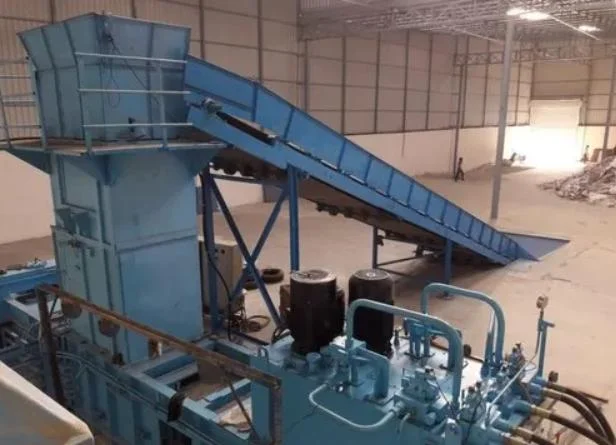
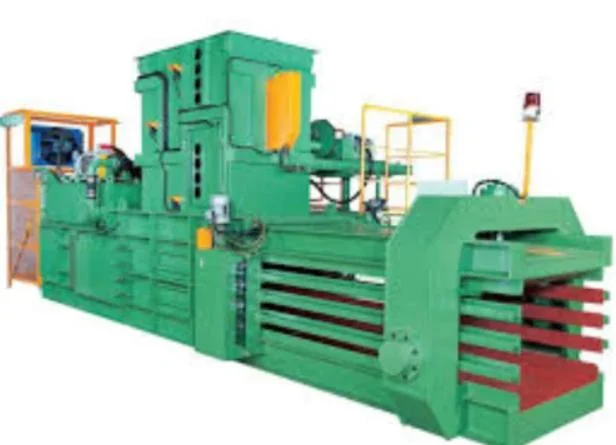
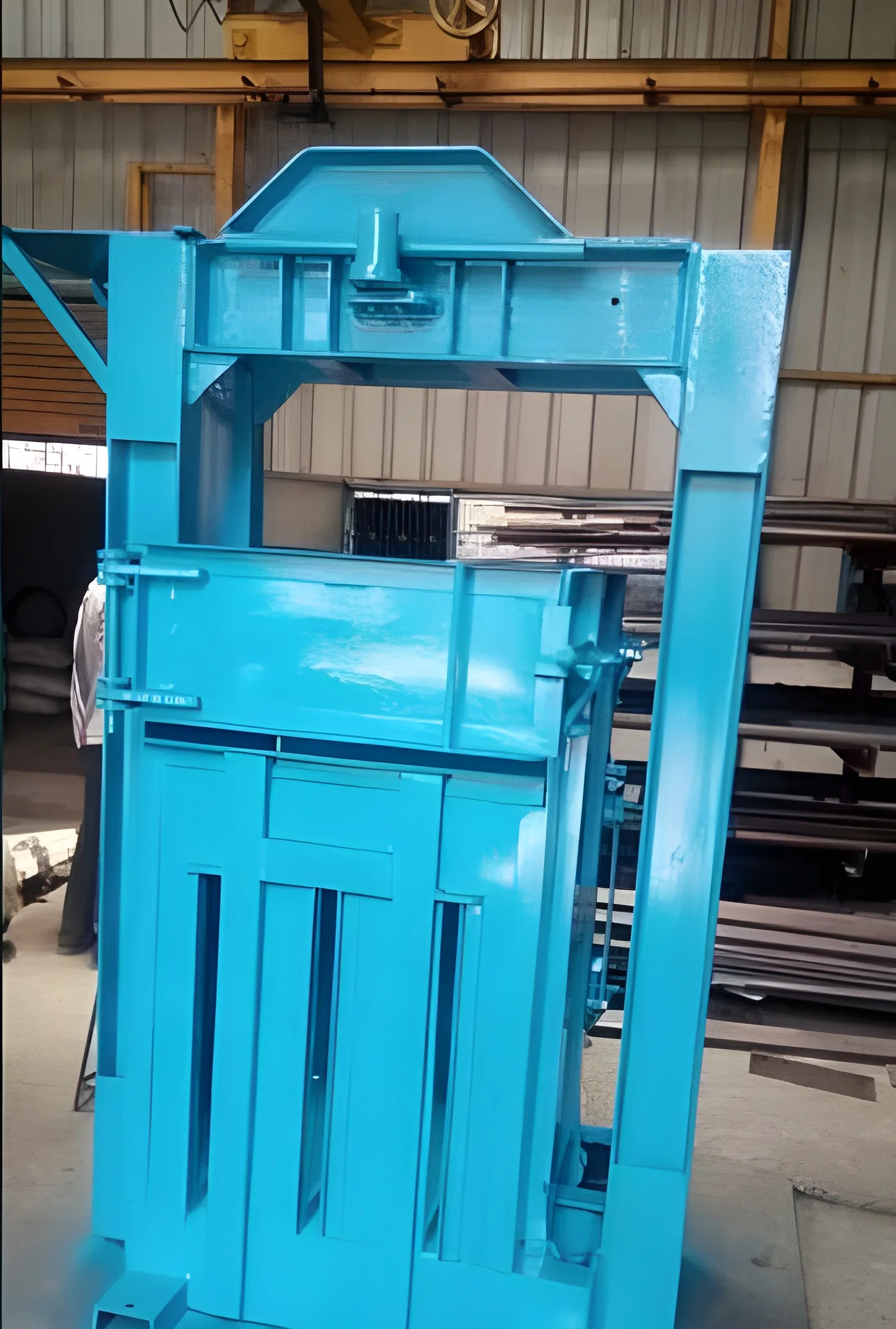
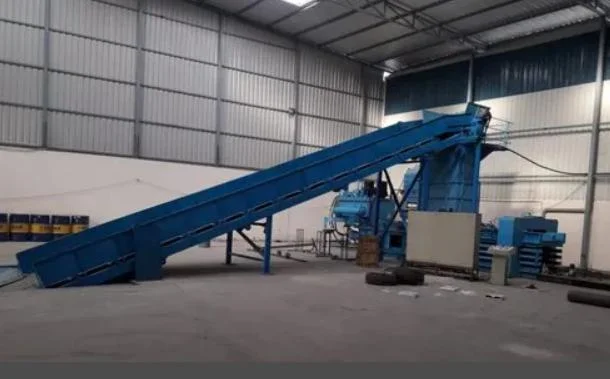
The industrial automatic waste baling machine represents advanced compaction technology specifically engineered for textile recycling applications. This robust equipment automatically compresses various textile waste materials into dense, uniform bales that streamline handling, storage, and transportation processes. Constructed with high-quality steel components and precision engineering, the machine delivers exceptional durability and long-term reliability in demanding industrial settings. Featuring both automatic and semi-automatic operation modes, it provides operational flexibility to match different production volumes and facility requirements. The electric power system ensures consistent performance while maintaining energy efficiency, making this machine an optimal solution for businesses seeking to enhance their waste management infrastructure and reduce operational overhead.

This baling machine serves multiple industries that generate substantial textile waste during their op...
The industrial automatic waste baling machine represents advanced compaction technology specifically engineered for textile recycling applications. This robust equipment automatically compresses various textile waste materials into dense, uniform bales that streamline handling, storage, and transportation processes. Constructed with high-quality steel components and precision engineering, the machine delivers exceptional durability and long-term reliability in demanding industrial settings. Featuring both automatic and semi-automatic operation modes, it provides operational flexibility to match different production volumes and facility requirements. The electric power system ensures consistent performance while maintaining energy efficiency, making this machine an optimal solution for businesses seeking to enhance their waste management infrastructure and reduce operational overhead.

This baling machine serves multiple industries that generate substantial textile waste during their operations. Apparel manufacturers and textile mills utilize the equipment to manage fabric scraps, cutting waste, and production remnants efficiently. Recycling plants specializing in textile materials employ these balers to process both post-industrial waste from manufacturing facilities and post-consumer textiles from collection programs. Waste management companies operating in industrial zones and fashion districts incorporate these machines into their material recovery facilities to handle textile streams. The machine's adaptability also makes it suitable for other industries dealing with compressible materials, though its primary application remains focused on textile and fashion industry waste streams.

Businesses investing in this industrial automatic waste baling machine gain substantial operational advantages through improved waste handling efficiency and reduced storage requirements. The machine's proven reliability ensures consistent performance with minimal maintenance needs, protecting production schedules and operational budgets. The customization capabilities allow for precise configuration to handle specific material types and volume requirements, whether processing light fabric scraps or denser textile waste. The high-density bales produced command premium prices in recycling markets, transforming waste materials into valuable commodities. By automating the baling process, companies significantly reduce labor costs while minimizing manual handling risks and demonstrating environmental responsibility through efficient waste management practices.

Key Features:
- Automatic and semi-automatic operation modes for flexible production requirements
- Durable construction using high-grade steel and cast iron components for long service life
- Electric power source providing consistent performance and energy efficiency
- Customization options available to suit specific material types and volume needs
- Compact bale design with robust compression mechanism for reliable performance

Benefits:
- Reduces storage space requirements by compressing textile waste into dense bales
- Lowers transportation costs through efficient compaction and standardized bale sizes
- Minimizes labor requirements with automated operation and simple controls
- Creates potential revenue streams by producing recyclable bales with market value
- Enhances workplace safety by reducing manual handling of loose textile materials
Specifications
| Additional Information | |
|---|---|
| Country of Origin | India |
Application
This industrial automatic waste baling machine efficiently processes textile waste from apparel manufacturing and fashion industries. It transforms fabric scraps, rejected garments, and production leftovers into compact, uniform bales that significantly reduce storage space requirements. The machine handles various textile materials including cotton, synthetic fibers, and blended fabrics with consistent performance. Its robust construction ensures reliable operation in demanding industrial environments while simplifying waste management logistics for businesses of all sizes.
Recycling facilities and waste management companies benefit greatly from this baling machine's versatile applications. The equipment processes post-industrial textile waste from garment factories and post-consumer materials from collection centers. Manufacturing plants handling large volumes of textile by-products find the automatic operation reduces labor costs and improves safety. The dense bales produced are ideal for transportation and fetch better prices in recycling markets, creating additional revenue streams from waste materials.
- Compressing textile waste in garment manufacturing facilities for efficient storage and recycling processes
- Baling fabric scraps and production leftovers in textile mills to optimize warehouse space utilization
- Processing rejected clothing items in quality control departments for compact storage and transport
- Managing post-consumer textile collections in recycling centers for easier processing and resale
- Handling packaging materials and returned goods in distribution centers serving fashion retailers
Trade Details
| Available Stock | In Stock |
| Sample Availability | No |
Payment Terms
| Payment Terms |
|
Company Profile
sarala abhiyantriki , Madhya Pradesh
 Madhya Pradesh, India
Madhya Pradesh, IndiaIndustrial Equipment & Machinery•Manufacturer•Importer / Exporter
Factory Details
Factory Size1000-5000 sqm
Annual Production Capacity0
Main Markets
Mid East
Southeast Asia
Africa
Industrial Automatic Waste Baling Machine For Textile Recycling
Industrial automatic waste baling machine compresses textile scraps into dense bales for easy handling and transport. Ideal for apparel manufacturers, recycling plants, and waste management facilities seeking efficient compaction solutions.
Min. Order Quantity: 1 unit
Shipping
Shipping fee and delivery date to be negotiated. Contact supplier now for more details.
sarala abhiyantriki 
 Madhya Pradesh, India
Madhya Pradesh, IndiaIndustrial Equipment & MachineryManufacturer