IN
IN₹
Apparel & Fashion
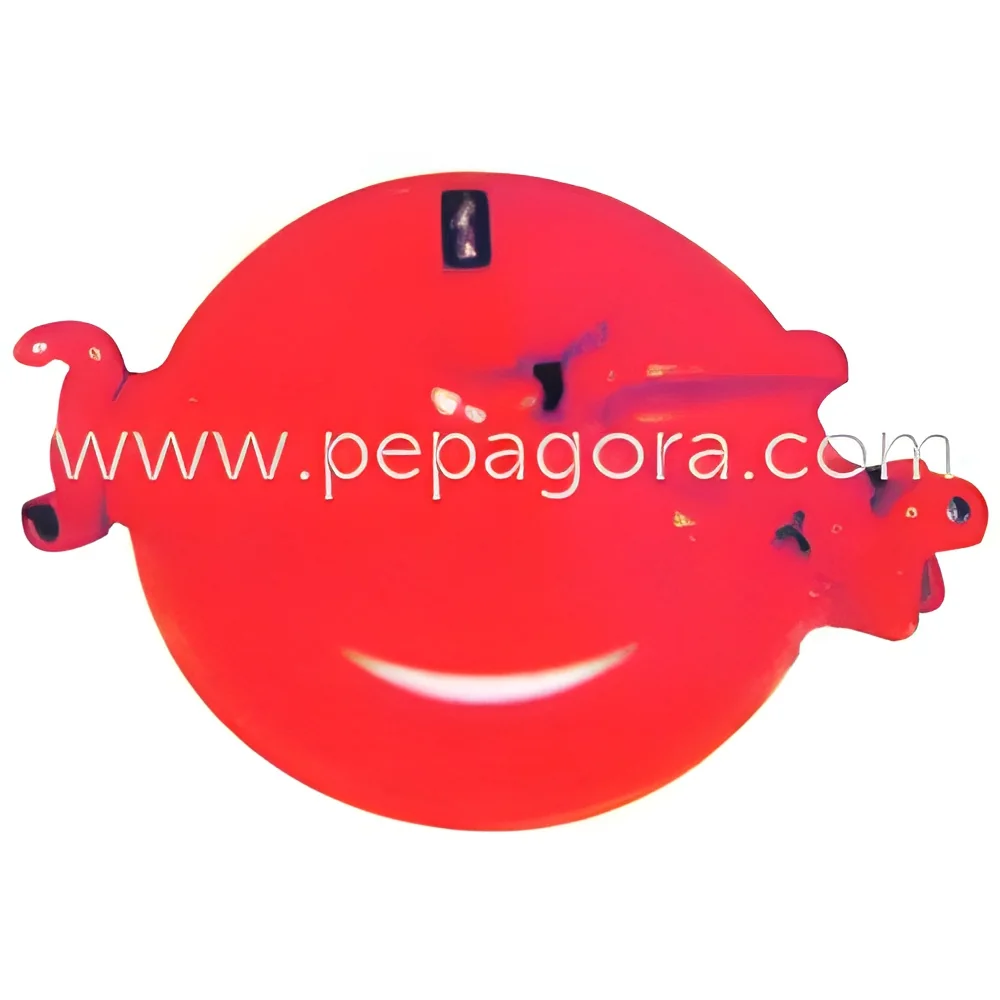
Description
Industrial air line lubricators are precision-engineered devices designed to introduce a fine, atomized oil mist into compressed air lines, providing optimal lubrication for downstream pneumatic equipment. By ensuring a consistent and controlled delivery of oil to tools, cylinders, and valves, these components play a vital role in reducing friction, preventing corrosion within the air system, and significantly extending the operational life of your pneumatic assets. Engineered for durability, they are built to perform reliably in demanding industrial environments, handling working pressures up to 10 kg/cm² and accommodating a wide range of air flows from 1.5 to 8 m³/min, making them a fundamental component for maintaining system integrity and efficiency.

These lubricators serve as a critical maintenance solution across numerous sectors where pneumatic systems are the backbone of operations. In automotive manufacturing, they are indispensable for ensuring the smooth, reliable function ...
Industrial air line lubricators are precision-engineered devices designed to introduce a fine, atomized oil mist into compressed air lines, providing optimal lubrication for downstream pneumatic equipment. By ensuring a consistent and controlled delivery of oil to tools, cylinders, and valves, these components play a vital role in reducing friction, preventing corrosion within the air system, and significantly extending the operational life of your pneumatic assets. Engineered for durability, they are built to perform reliably in demanding industrial environments, handling working pressures up to 10 kg/cm² and accommodating a wide range of air flows from 1.5 to 8 m³/min, making them a fundamental component for maintaining system integrity and efficiency.

These lubricators serve as a critical maintenance solution across numerous sectors where pneumatic systems are the backbone of operations. In automotive manufacturing, they are indispensable for ensuring the smooth, reliable function of assembly tools and robotic actuators through continuous production cycles. Aviation maintenance facilities depend on their precise performance for ground support equipment where failure is not an option. The packaging industry utilizes them to protect the high-speed components of filling and sealing machines, while general manufacturing, metal fabrication, and woodworking sectors integrate them to safeguard equipment from premature wear in dusty, high-vibration environments, ensuring consistent output.

The business value of integrating these air line lubricators is clear: they directly contribute to reduced operational costs and enhanced productivity. Their reliable operation minimizes unexpected equipment failures, leading to less unplanned downtime and more consistent production schedules. By drastically reducing component wear, they extend service intervals and lower long-term maintenance and replacement part expenses. This investment in reliability translates to a better return on investment for your entire pneumatic system, offering operational stability and predictable performance. Built with robust materials and precision engineering, these lubricators are a trusted choice for businesses focused on maximizing equipment uptime, ensuring quality output, and optimizing the total cost of ownership for their critical industrial systems.

Key Features:
- Designed for working pressure capacity up to 10 kg/cm² suitable for industrial applications.
- Compatible with a broad air flow range from 1.5 to 8 m³/min for versatile system integration.
- Delivers precise, atomized oil mist for effective lubrication of all downstream components.
- Features a transparent bowl for easy visual monitoring of oil levels and condition.
- Constructed with robust materials to withstand demanding industrial environments and vibrations.

Benefits:
- Extends the lifespan of pneumatic tools and machinery by reducing friction and component wear.
- Lowers overall maintenance costs through consistent, automated lubrication delivery.
- Minimizes costly system downtime by preventing failures of pneumatic components.
- Improves operational efficiency and product quality with reliable, consistent tool performance.
- Reduces the total cost of ownership for pneumatic systems by protecting your capital equipment investment.
Specifications
| Additional Information | |
|---|---|
| Country of Origin | India |
Application
Industrial air line lubricators are engineered to deliver controlled oil mist directly into compressed air systems, providing essential lubrication for pneumatic tools, cylinders, and valves. This precise delivery significantly reduces friction, prevents corrosion, and minimizes component wear, ensuring consistent performance and protecting your investment in critical production equipment across various demanding industrial settings.
These units are built for reliability in high-pressure environments, compatible with systems requiring working pressures up to 10 kg/cm² and air flows from 1.5 to 8 m³/min. Industries from automotive assembly and aviation maintenance to food processing, packaging, and metal fabrication rely on these lubricators to maintain smooth machinery operation, reduce maintenance frequency, and prevent costly unplanned downtime in challenging production and workshop conditions.
- Lubricating pneumatic impact wrenches, drills, and screwdrivers on automotive assembly lines.
- Maintaining reliable operation of aircraft ground support equipment and hangar pneumatic systems.
- Ensuring longevity of actuators and valves in high-speed packaging and FMCG machinery.
- Supporting consistent performance in automated manufacturing cells and industrial robotics.
- Protecting pneumatic components in metal fabrication, woodworking, and general industrial workshops.
Trade Details
| Available Stock | In Stock |
| Sample Availability | No |
Payment Terms
| Payment Terms |
|
Company Profile
Jai Maa Traders, New Delhi
 New Delhi, India
New Delhi, IndiaIndustrial Equipment & Machinery•Manufacturer•Trading Company•Importer / Exporter
Factory Details
Factory SizeBelow 1000 sqm
Annual Production Capacity0
Industrial Air Line Lubricators For Pneumatic Systems And Tools
Industrial air line lubricators deliver precise oil mist lubrication for pneumatic tools and machinery, ensuring reliable performance and extended equipment lifespan in demanding aviation, automotive, and manufacturing environments.
Min. Order Quantity: 1 unit
Shipping
Shipping fee and delivery date to be negotiated. Contact supplier now for more details.
Jai Maa Traders
 New Delhi, India
New Delhi, IndiaIndustrial Equipment & MachineryManufacturer