IN
IN₹
Description
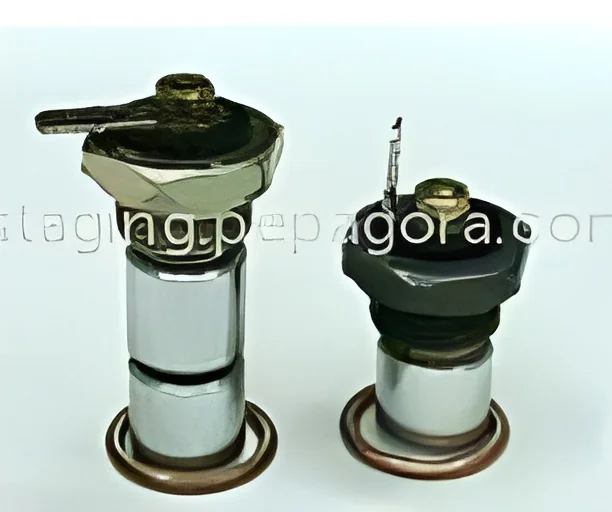
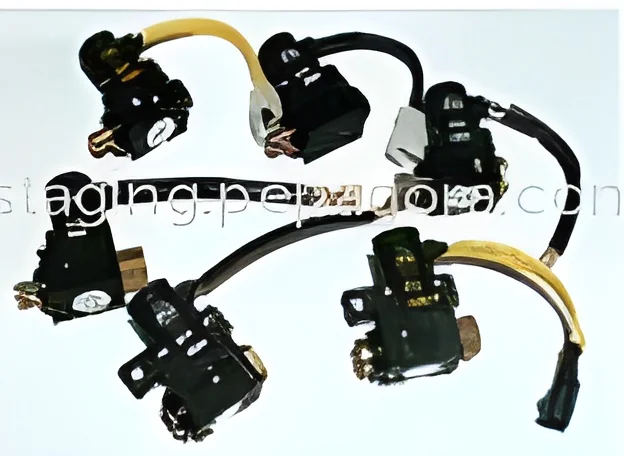
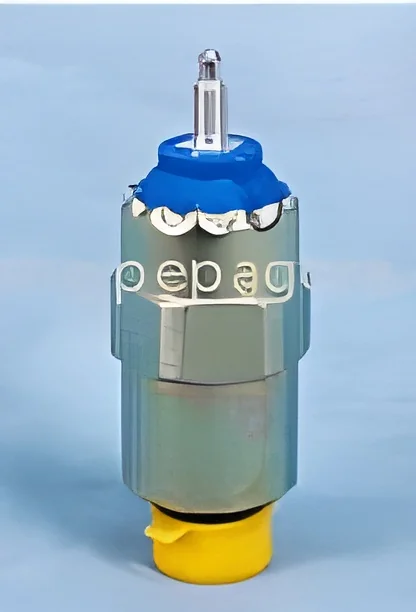
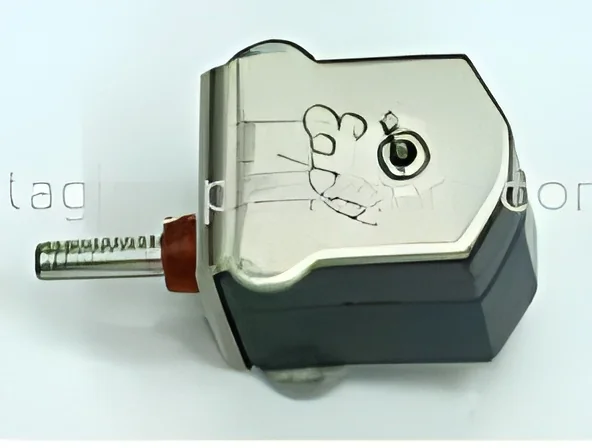
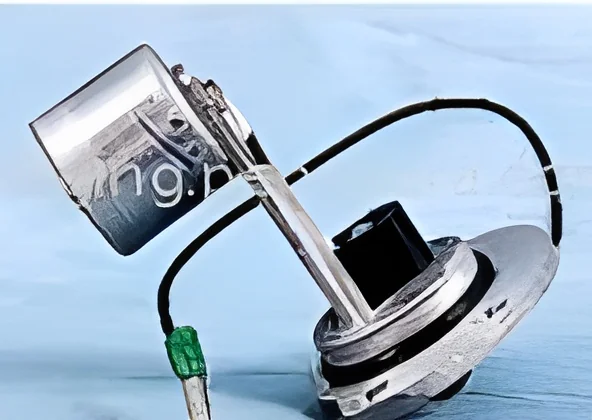
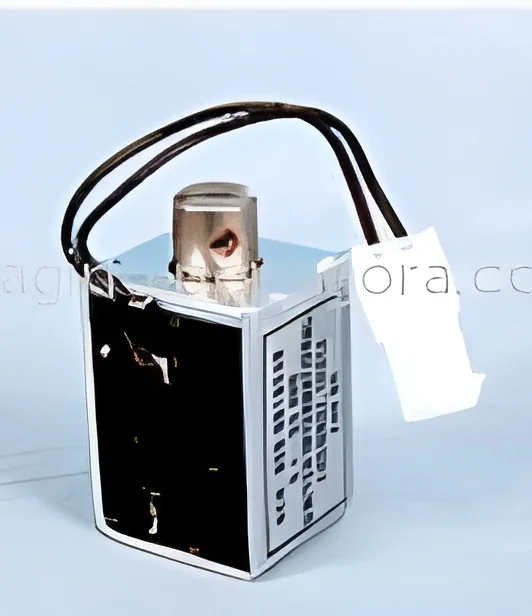
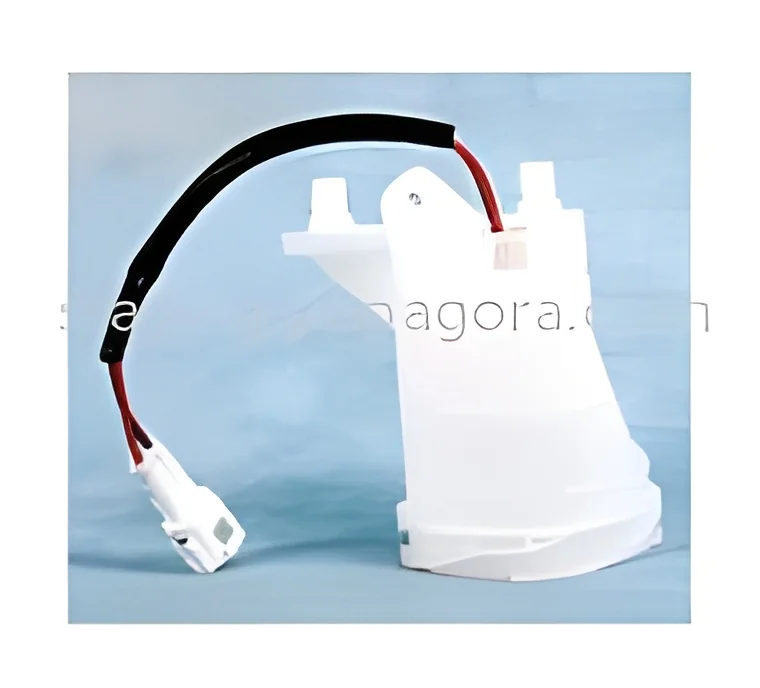
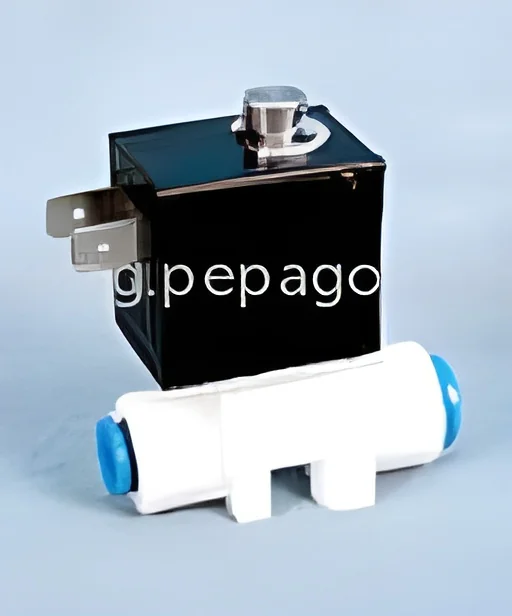
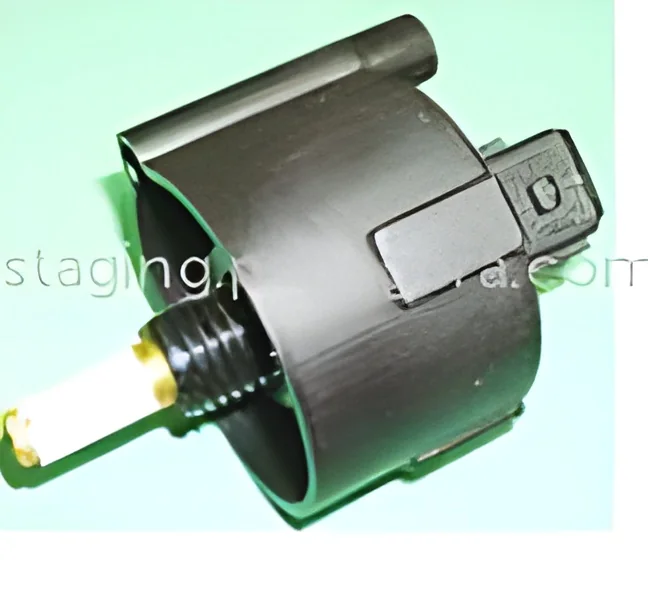
Industrial water sensors represent precision monitoring solutions designed to detect water presence or absence in critical systems. These reliable devices utilize advanced sensing technology to provide immediate detection of water levels in tanks, pipelines, and industrial equipment. Built with high-quality materials and engineered for durability, they deliver accurate real-time data that prevents overflow situations, detects leaks early, and stops dry-running conditions before equipment damage occurs. The sensors seamlessly integrate with control panels, alarm systems, and automation networks, triggering visual or audible alerts when water levels deviate from preset parameters. Available in multiple configurations including probe, float, and electronic types, these sensors offer flexible installation options and can be customized to meet specific application requirements across diverse industrial environments. Water sensors serve critical functions across multiple industries where wat...
Industrial water sensors represent precision monitoring solutions designed to detect water presence or absence in critical systems. These reliable devices utilize advanced sensing technology to provide immediate detection of water levels in tanks, pipelines, and industrial equipment. Built with high-quality materials and engineered for durability, they deliver accurate real-time data that prevents overflow situations, detects leaks early, and stops dry-running conditions before equipment damage occurs. The sensors seamlessly integrate with control panels, alarm systems, and automation networks, triggering visual or audible alerts when water levels deviate from preset parameters. Available in multiple configurations including probe, float, and electronic types, these sensors offer flexible installation options and can be customized to meet specific application requirements across diverse industrial environments.

Water sensors serve critical functions across multiple industries where water management is essential for operational safety and efficiency. In manufacturing facilities, they monitor coolant levels in machinery and detect leaks in processing equipment. The water treatment sector relies on these sensors for tank level monitoring and pipeline integrity assessment. Commercial buildings utilize them in HVAC systems to maintain proper water levels in cooling towers and prevent pump damage. Agricultural applications include irrigation system monitoring and water reservoir management. Industrial laundries and food processing plants depend on water sensors for equipment protection and process control. These diverse applications demonstrate the sensors' versatility in maintaining system integrity across various operational contexts.

The business value of implementing reliable water sensors extends beyond basic leak detection to comprehensive operational protection. These devices deliver tangible ROI by preventing costly equipment damage, reducing water waste, and minimizing production downtime. Their robust construction ensures long-term reliability in challenging industrial environments, providing consistent performance with minimal maintenance requirements. The customization options available allow businesses to tailor sensor specifications to their exact operational needs, ensuring optimal performance in specific applications. This combination of reliability, adaptability, and preventive protection makes water sensors a smart investment for businesses seeking to enhance operational safety, reduce maintenance costs, and improve overall process efficiency through proactive water management.

Key Features:
- High-precision water detection technology for accurate monitoring
- Durable construction using industrial-grade materials
- Multiple configuration options including probe, float, and electronic types
- Real-time alert capabilities for immediate response
- Customizable specifications for specific application requirements

Benefits:
- Prevents equipment damage and costly downtime
- Reduces water waste through early leak detection
- Enhances operational safety and process efficiency
- Low maintenance requirements for long-term reliability
- Easy integration with existing control and alarm systems
Specifications
| Additional Information | |
|---|---|
| SKU | ECM-WS-01 |
| Country of Origin | 106 |
| Customisable | No |
Application
Water sensors are essential components for monitoring liquid levels across various industrial systems. They provide critical detection capabilities in storage tanks, processing equipment, and fluid transport systems, enabling automated control and immediate response to changing water conditions. This prevents potential damage and maintains continuous operational flow.
These reliable sensors integrate seamlessly with pumps, HVAC units, manufacturing machinery, and water treatment systems. Their robust construction ensures accurate performance in demanding environments, from factory floors to commercial installations. The sensors deliver consistent monitoring that protects equipment investment and prevents costly downtime. Real-world applications:
- Monitoring water levels in industrial storage tanks and reservoirs to prevent overflow
- Detecting leaks in pipeline systems and fluid transport networks
- Preventing pump dry-running in water supply and circulation systems
- Ensuring proper water levels in HVAC cooling towers and chillers
- Monitoring liquid presence in manufacturing equipment and processing machinery
Trade Details
| Available Stock | In Stock |
| Sample Availability | No |
Payment Terms
| Payment Terms |
|
Shipping & Logistics
| Shipping Internationally | - | |
| Methods | -- | |
| IncoTerms | -- | |
| Port of Dispatch | Chennai Port, Tamil Nadu, India | |
| Packaging Type | -- | |
| Units per Package | -- | |
| Barcode / HSN / GTIN / UPC | -- | |
| Dispatch Lead time | -- |
Company Profile
Electromags,A Division Of The Bombay Burmah Tradingn Corporation Limited), Tamil Nadu
 Tamil Nadu, India
Tamil Nadu, IndiaIndustrial Equipment & Machinery•Manufacturer
Factory Details
Factory SizeBelow 1000 sqm
Annual Production Capacity0
SKU: ECM-WS-01
Water Sensors
Industrial water sensors detect water presence in tanks, pipelines, and machinery with high reliability. They provide real-time alerts to prevent overflow, leakage, and dry-running, ensuring operational safety and process efficiency for industrial applications.
Min. Order Quantity: 5 Unit
Shipping
Shipping fee and delivery date to be negotiated. Contact supplier now for more details.
Electromags,A Division Of The Bombay Burmah Tradingn Corporation Limited)
 Tamil Nadu, India
Tamil Nadu, IndiaIndustrial Equipment & MachineryManufacturer