IN
INundefined
Apparel & Fashion
Loading subcategories...
View More
Description
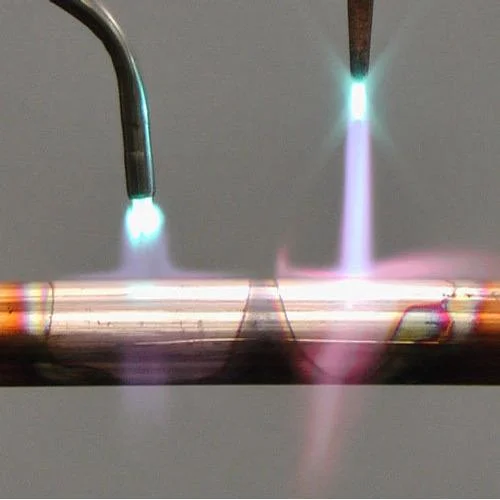
Hydrogen brazing represents a sophisticated metal joining technique where hydrogen gas serves dual purposes as both the atmosphere and active fluxing agent. This method operates wi...
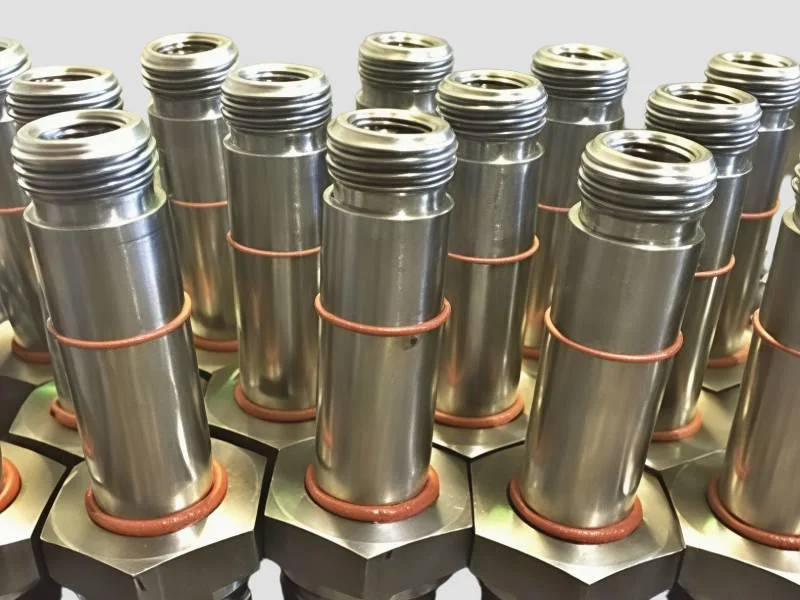
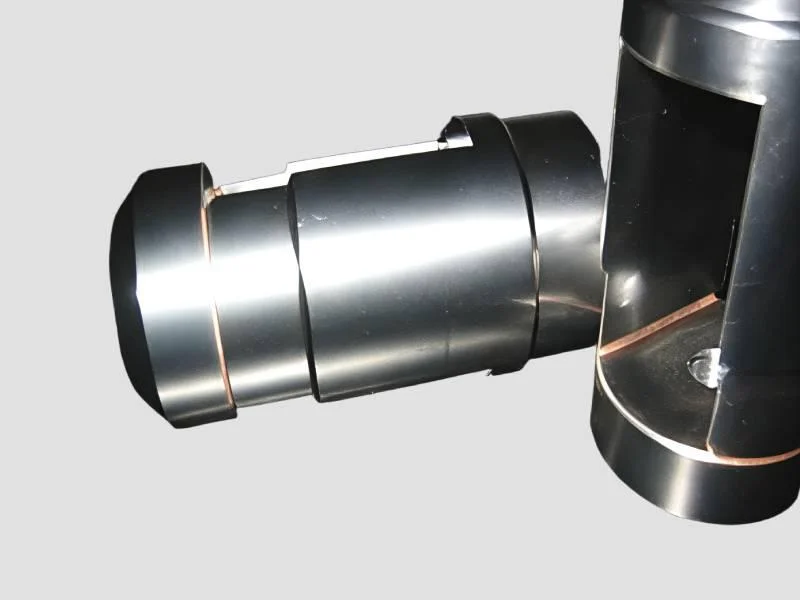
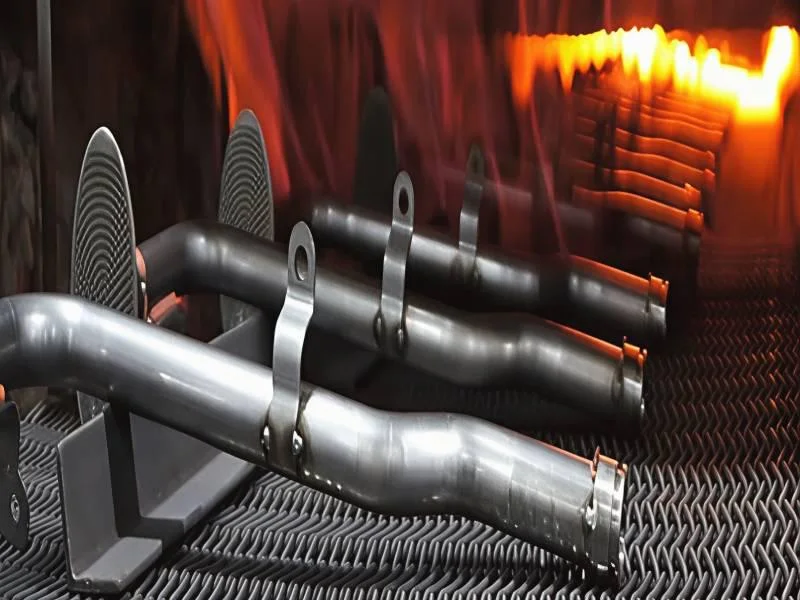
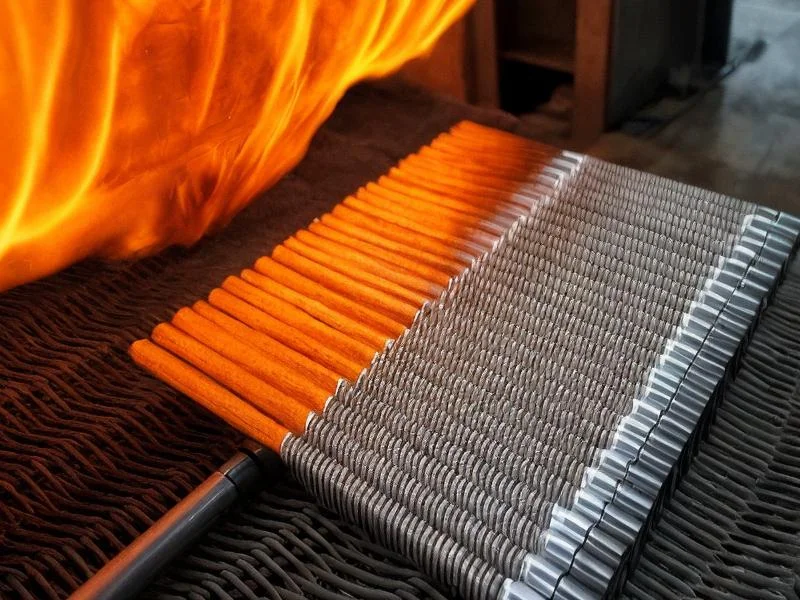
Hydrogen brazing represents a sophisticated metal joining technique where hydrogen gas serves dual purposes as both the atmosphere and active fluxing agent. This method operates within controlled furnace environments where precise temperature regulation ensures optimal brazing conditions. The hydrogen atmosphere actively reduces surface oxides while simultaneously removing hydrocarbons from the metal surfaces, creating pristine conditions for flawless bonding. This flux-free approach eliminates the risk of flux contamination, making it particularly valuable for applications where purity is non-negotiable. The process accommodates various base materials including stainless steels, copper alloys, and specialized metals, producing joints with exceptional mechanical properties and metallurgical integrity that exceed conventional brazing methods.

Across industrial sectors, hydrogen brazing has become the gold standard for critical applications. The aerospace industry relies on this technology for turbine components, structural assemblies, and propulsion systems where joint reliability directly impacts safety and performance. Medical device manufacturers utilize hydrogen brazing for surgical instruments, diagnostic equipment, and implantable devices where biocompatibility and precision are essential. Semiconductor equipment producers depend on this method for vacuum chamber assemblies, process tools, and wafer handling systems that demand ultra-clean environments. The automotive sector applies hydrogen brazing for sensor housings, emission control components, and advanced driver assistance systems. Energy companies employ this technique for heat exchangers, power generation equipment, and renewable energy systems where durability under extreme conditions is mandatory.

The business value of hydrogen brazing services extends beyond technical superiority to deliver tangible operational benefits. Companies choosing this method gain access to joints with superior strength, leak-tight integrity, and exceptional corrosion resistance that translate to longer service life and reduced maintenance costs. The elimination of flux residues means no post-braze cleaning is required, streamlining production processes and reducing chemical usage. This method provides consistent, repeatable results batch after batch, ensuring quality compliance and reducing rejection rates. The process accommodates complex geometries and multiple joints simultaneously, enhancing manufacturing efficiency. Most importantly, hydrogen brazing creates reliable connections that perform under the most demanding conditions, giving businesses confidence in their products' long-term performance and reducing warranty claims.

Key Features:
- Hydrogen atmosphere serving as both environment and active fluxing agent
- Effective oxide reduction and hydrocarbon removal without chemical fluxes
- Suitable for stainless steel, copper, and various alloy combinations
- Controlled furnace process with precise temperature regulation
- Produces clean, flux-free joints with superior metallurgical properties

Benefits:
- Eliminates flux contamination risk in sensitive applications
- Creates strong, leak-tight joints with excellent corrosion resistance
- Reduces post-processing steps by eliminating flux cleaning requirements
- Ensures consistent, repeatable results across production batches
- Accommodates complex geometries and multiple joint configurations
Specifications
| Attribute | Value |
|---|---|
| Type | Hydrogen Brazing Services |
| Fluxing Agent | H2 |
| Features | Reduce Oxides,Remove Hydrocarbons |
| Price | Negotiable |
| Application | Metallurgy |
| Service | Customer Satisfaction |
| Additional Information | |
|---|---|
| Country of Origin | 106 |
| Customisable | No |
Application
Hydrogen brazing services provide exceptional joining solutions for materials requiring high purity and strength. This advanced process uses hydrogen as both atmosphere and fluxing agent, effectively reducing surface oxides and removing hydrocarbons without additional chemical fluxes. The result is clean, robust joints ideal for demanding environments where contamination must be minimized and reliability is paramount.

This technology serves numerous industries where precision metal joining is critical. From aerospace components to medical devices, hydrogen brazing delivers consistent results across diverse materials including stainless steel, copper, and specialized alloys. The process maintains material integrity while creating permanent bonds that withstand extreme temperatures, pressures, and operational stresses in various industrial settings. Real-world applications:
Real-world applications:
- Aerospace component manufacturing for turbine engines and structural assemblies
- Medical device production including surgical instruments and implantable devices
- Semiconductor equipment fabrication for vacuum chambers and process tools
- Automotive industry for sensor housings and emission control systems
- Power generation equipment for heat exchangers and cooling systems
Trade Details
| Available Stock | In stock |
| Sample Availability | No |
Payment Terms
| Payment Terms |
|
Company Profile

Quantum Heat Treaters India Pvt. Ltd. , Tamil Nadu Tamil Nadu, India
Tamil Nadu, IndiaIndustrial Equipment & Machinery
Factory Details
Factory Size1000-5000 sqm
Annual Production Capacity0
Main Markets
Eastern Asia
South Asia
Southeast Asia
Hydrogen Brazing Services For High Vacuum Assemblies With H2 Fluxing
Professional hydrogen brazing services using H2 fluxing agent to reduce oxides and remove hydrocarbons. Ideal for high-vacuum assemblies with superior metallurgical quality and reliable joint integrity for industrial applications.
Min. Order Quantity: 1
Shipping
Shipping fee and delivery date to be negotiated. Contact supplier now for more details.
Quantum Heat Treaters India Pvt. Ltd. 
 Tamil Nadu, India
Tamil Nadu, IndiaIndustrial Equipment & Machinery