𝗪𝗵𝗮𝘁 𝗮𝗿𝗲 𝗚𝗹𝗼𝘃𝗲𝘀 & 𝗛𝗲𝗮𝗱𝘄𝗲𝗮𝗿?
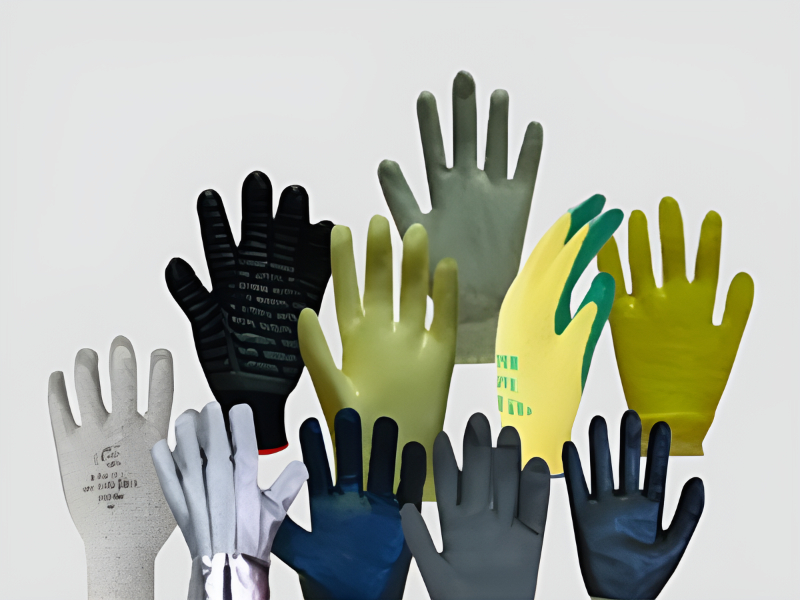
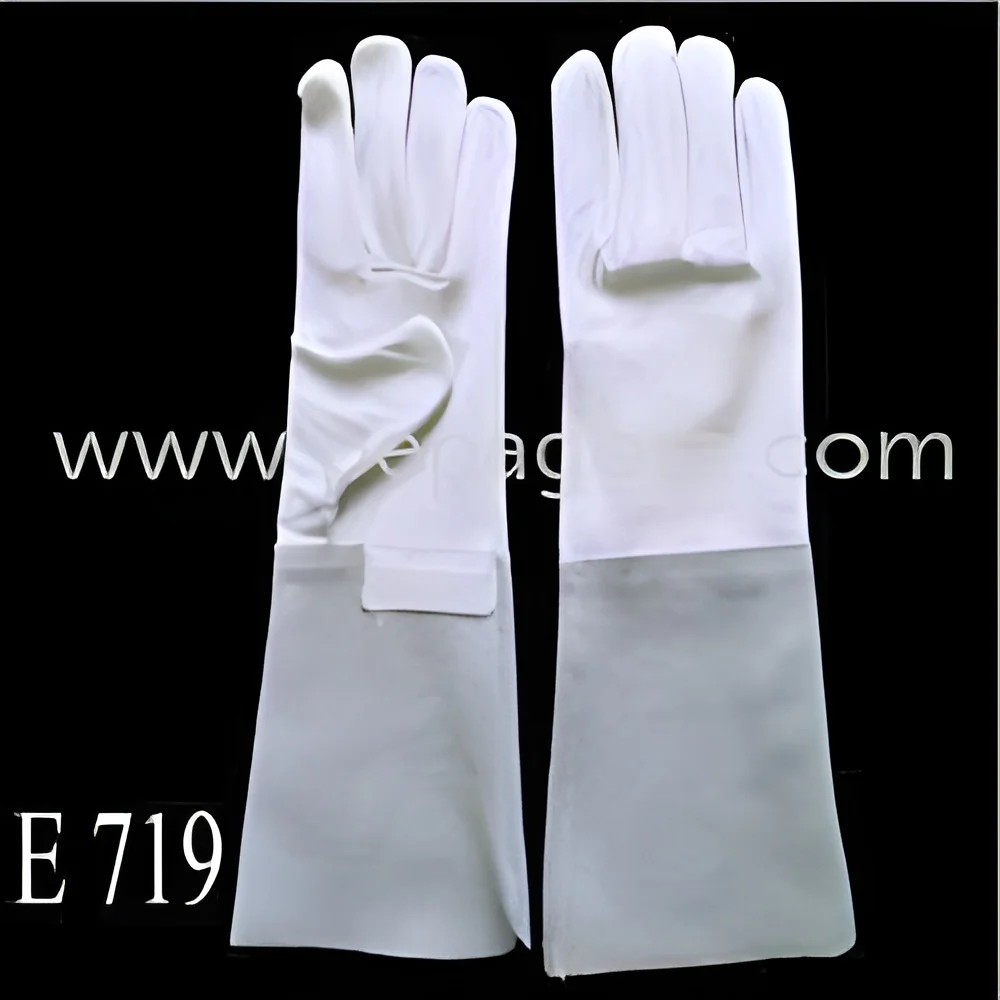
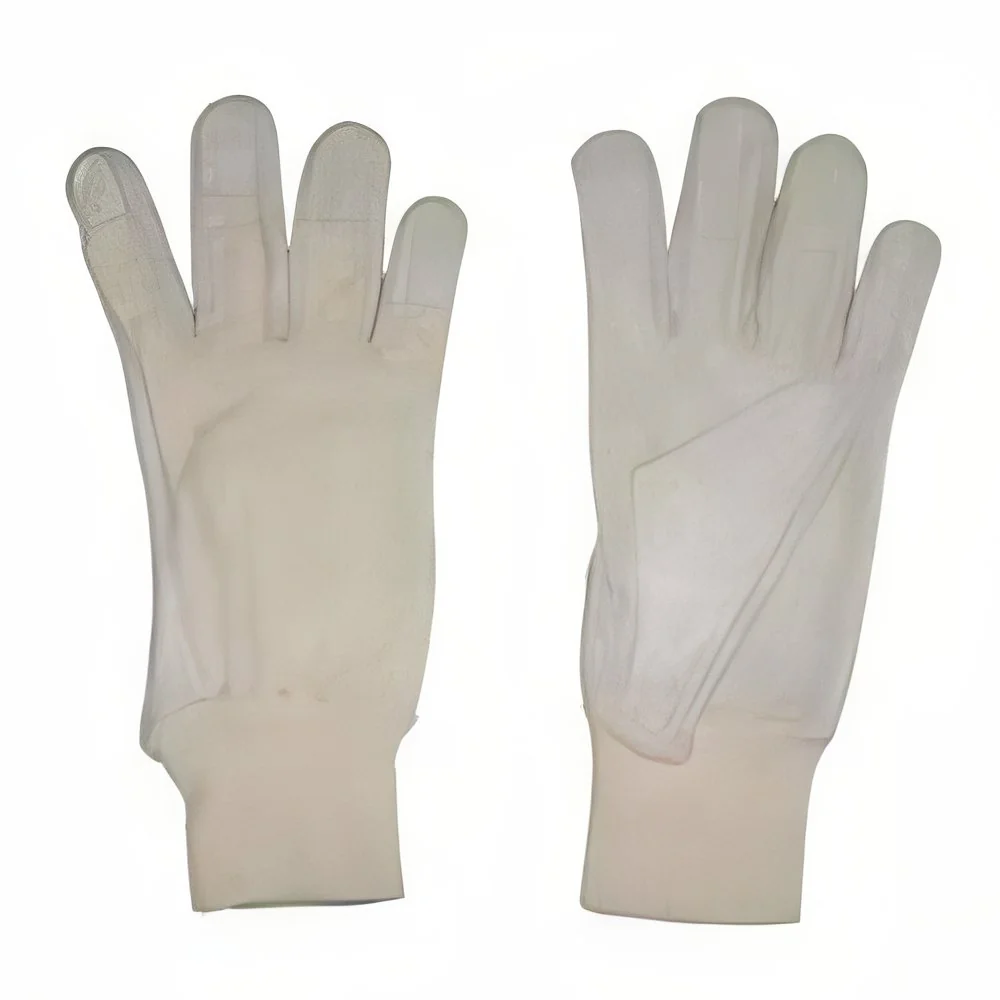
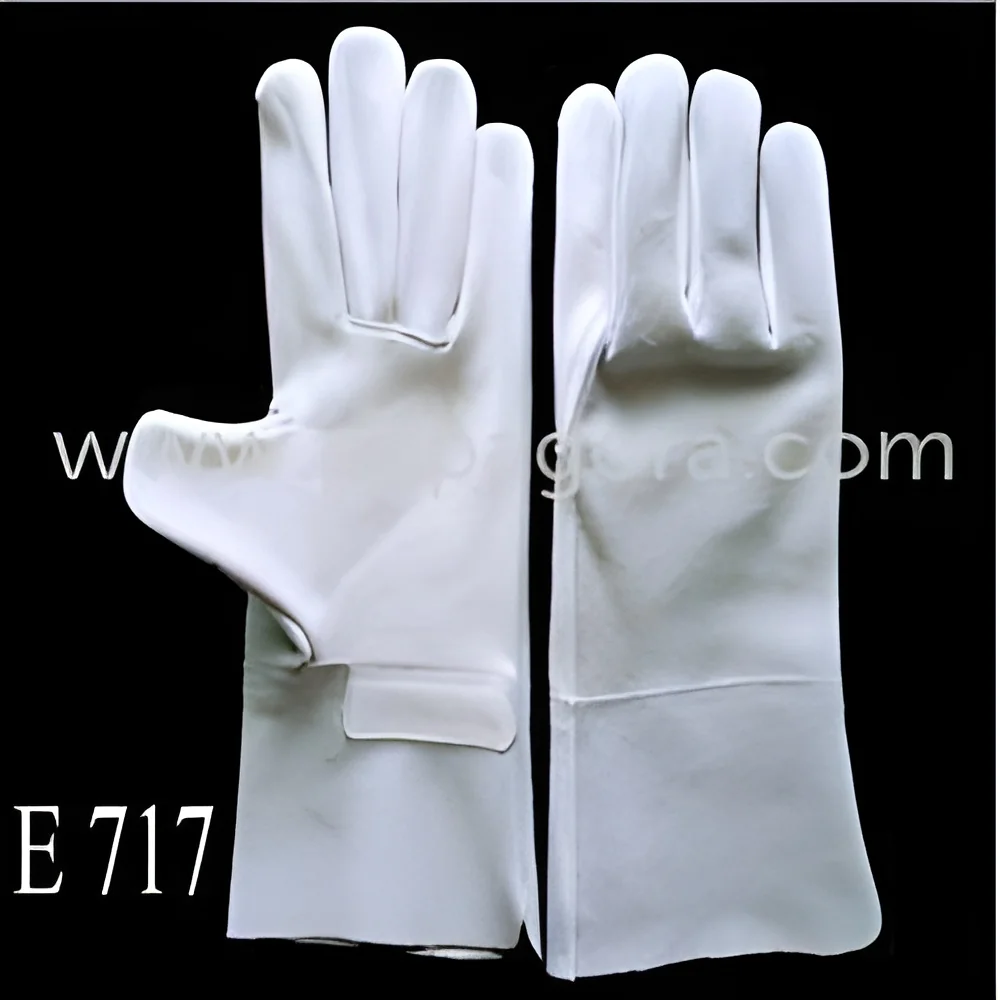
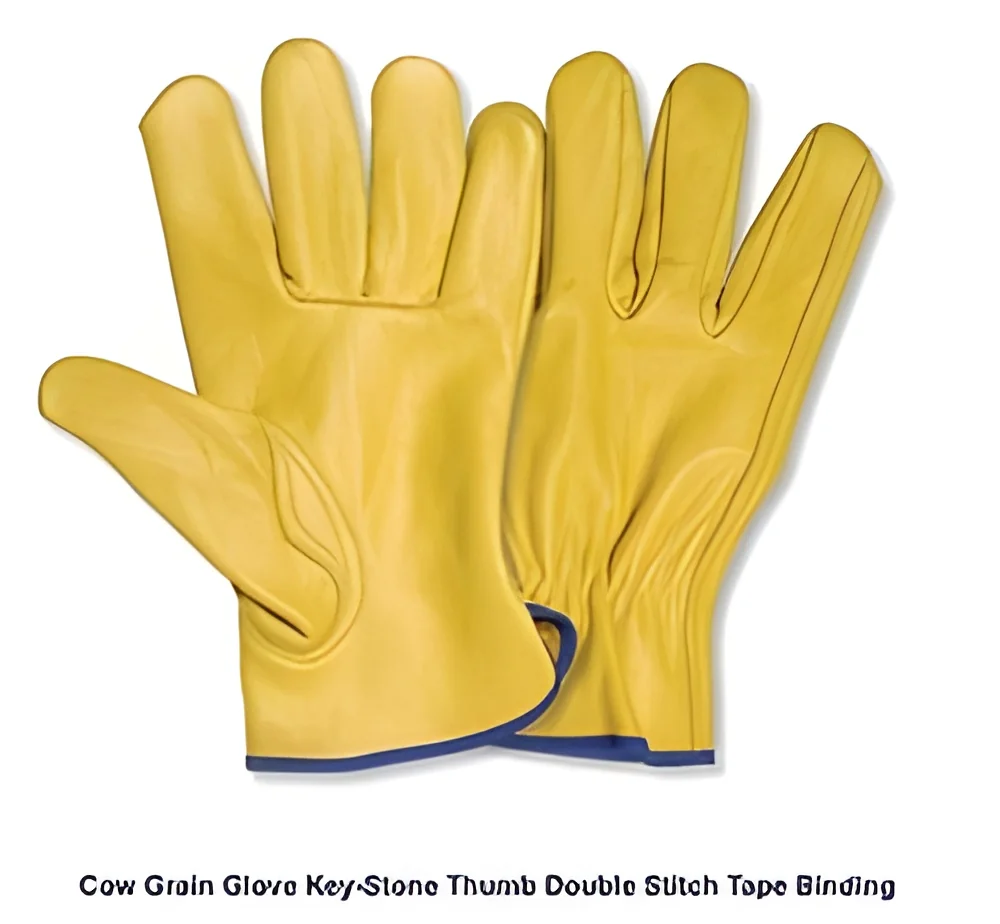
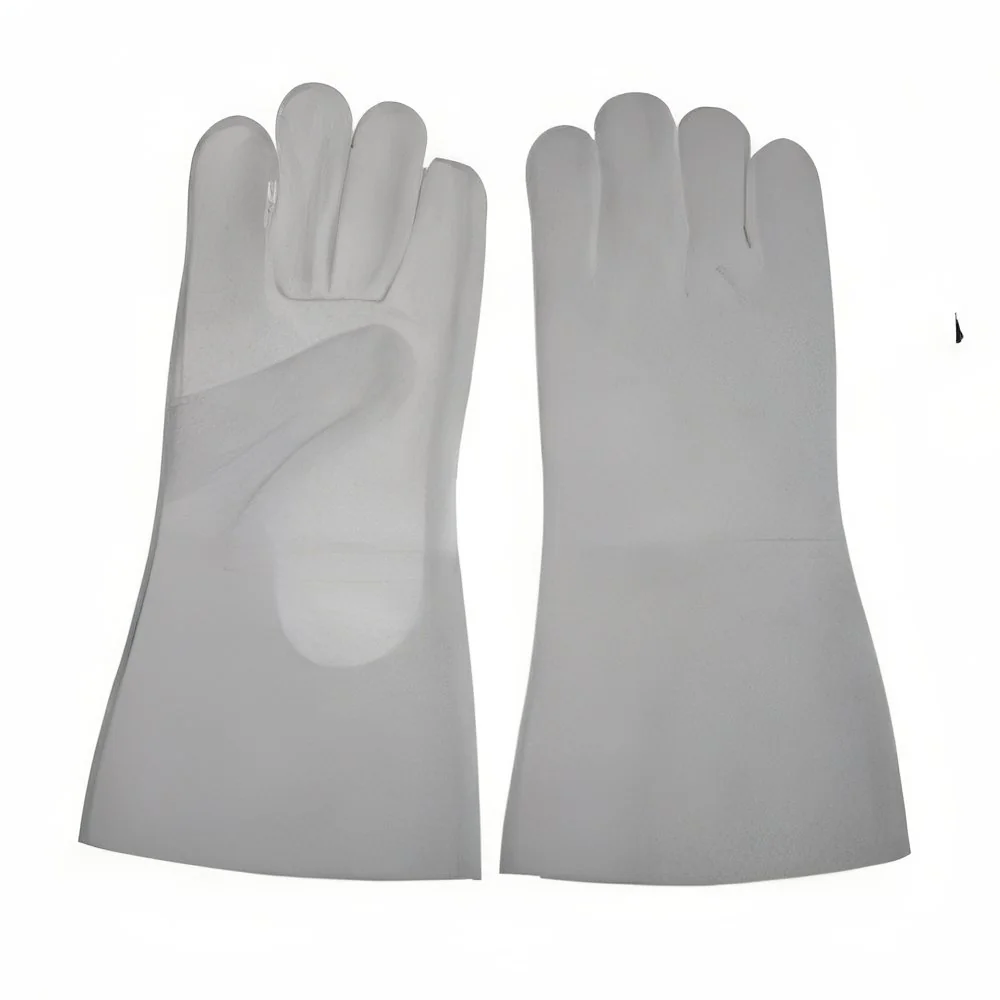
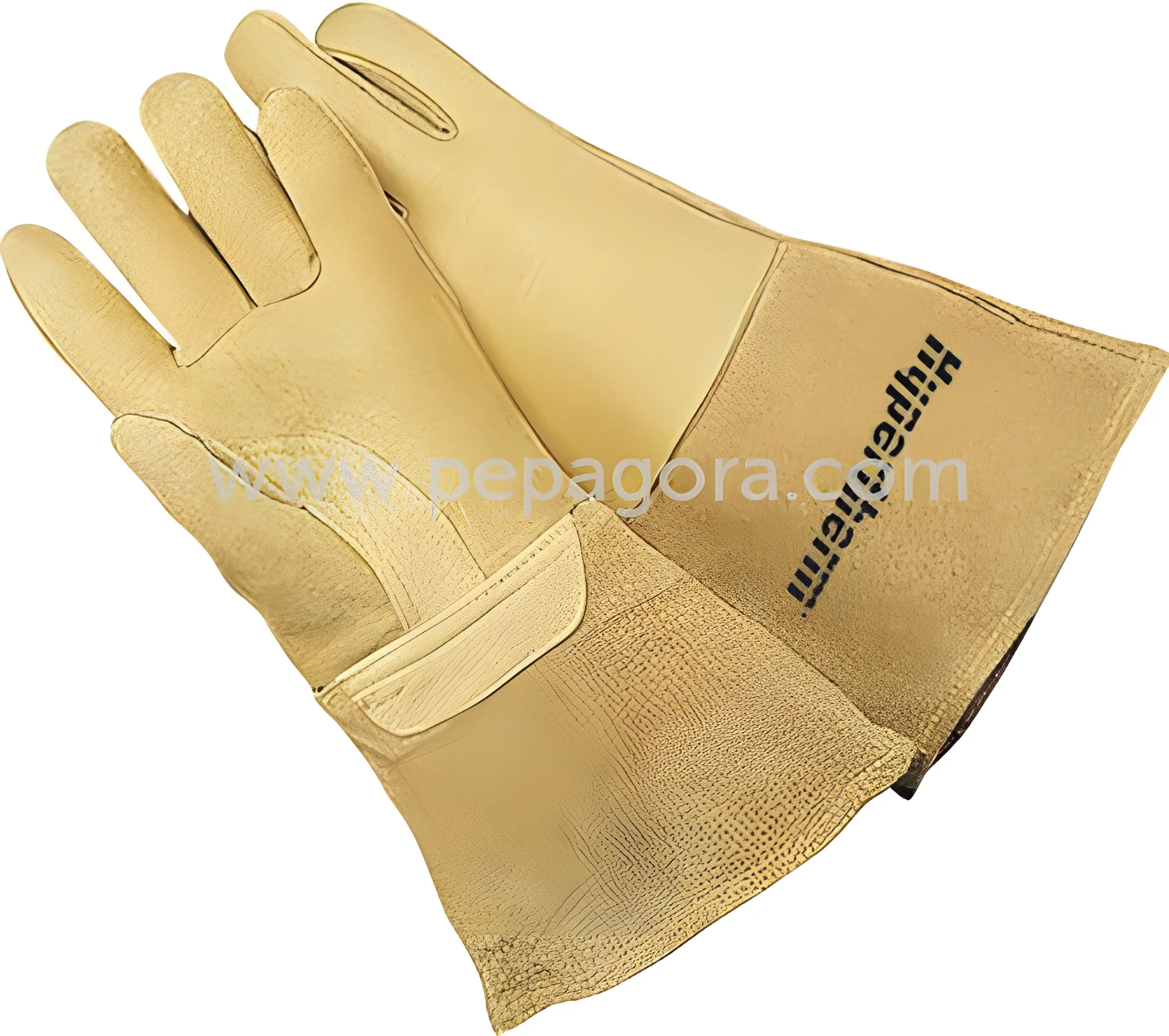
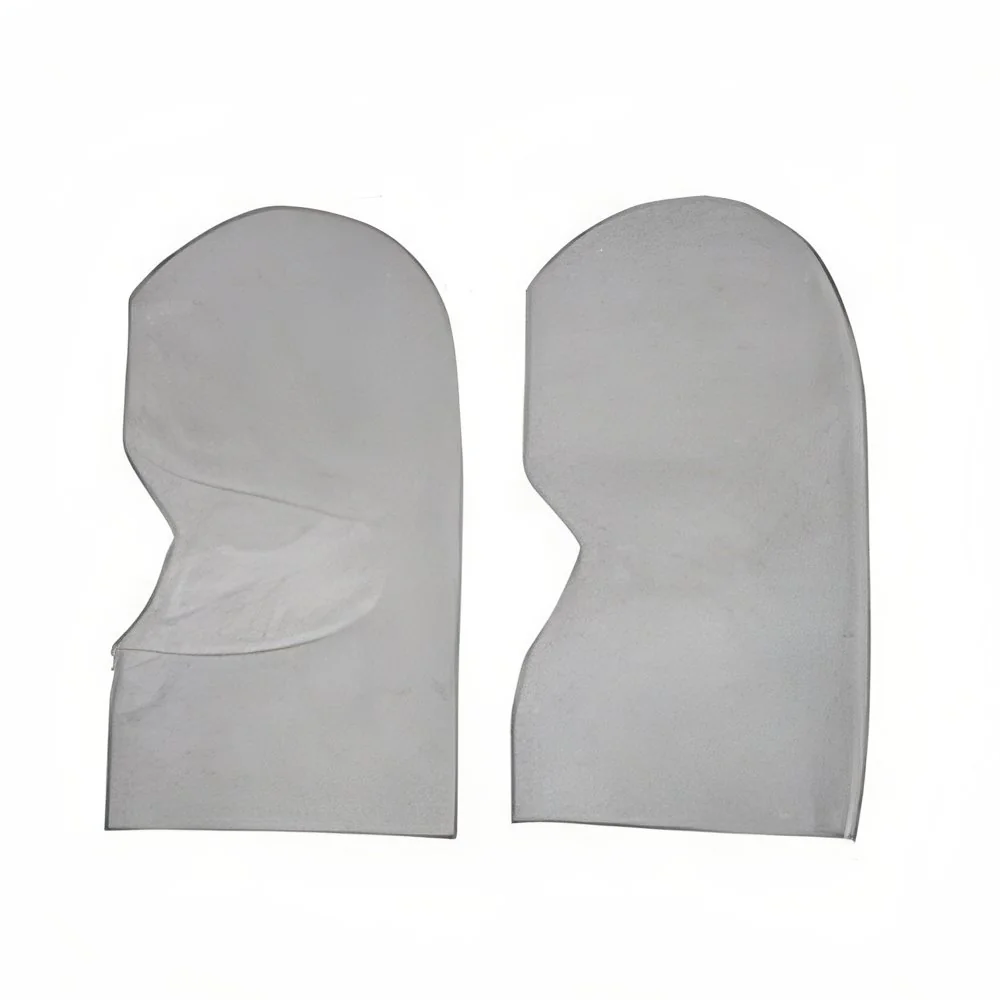
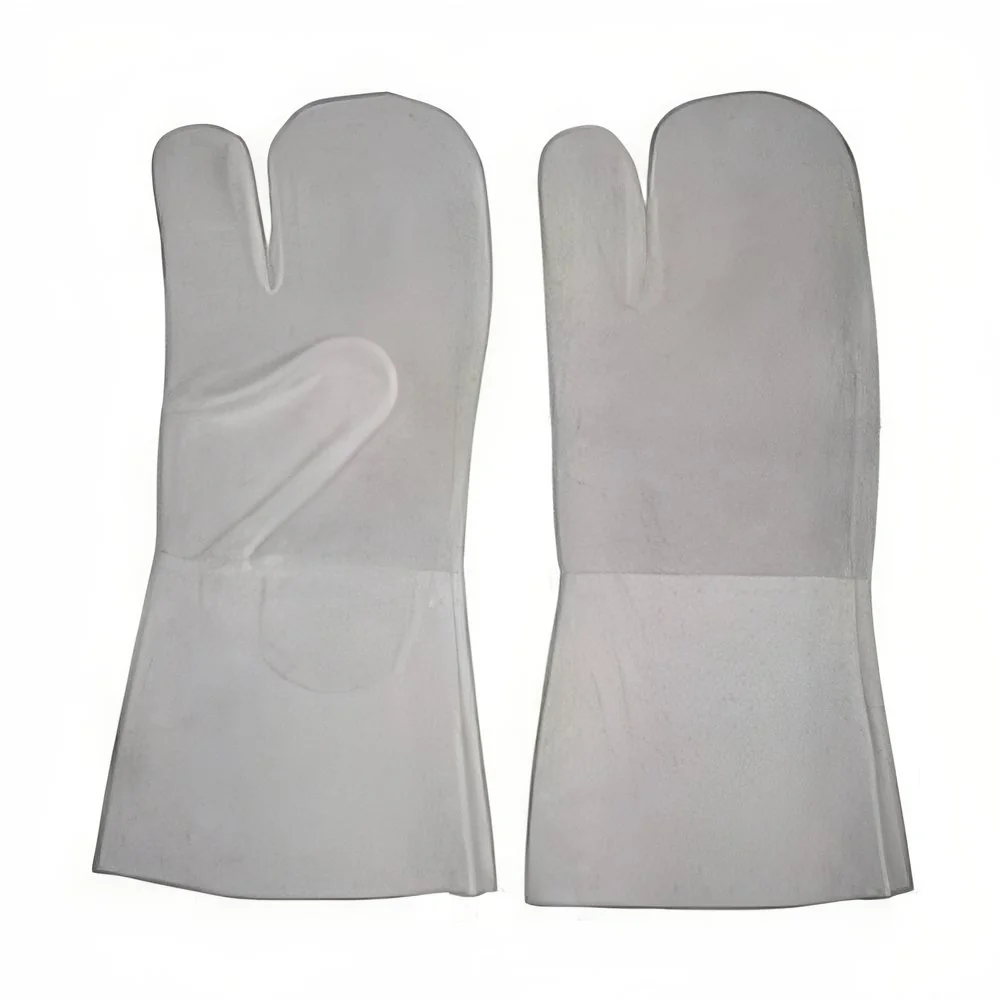
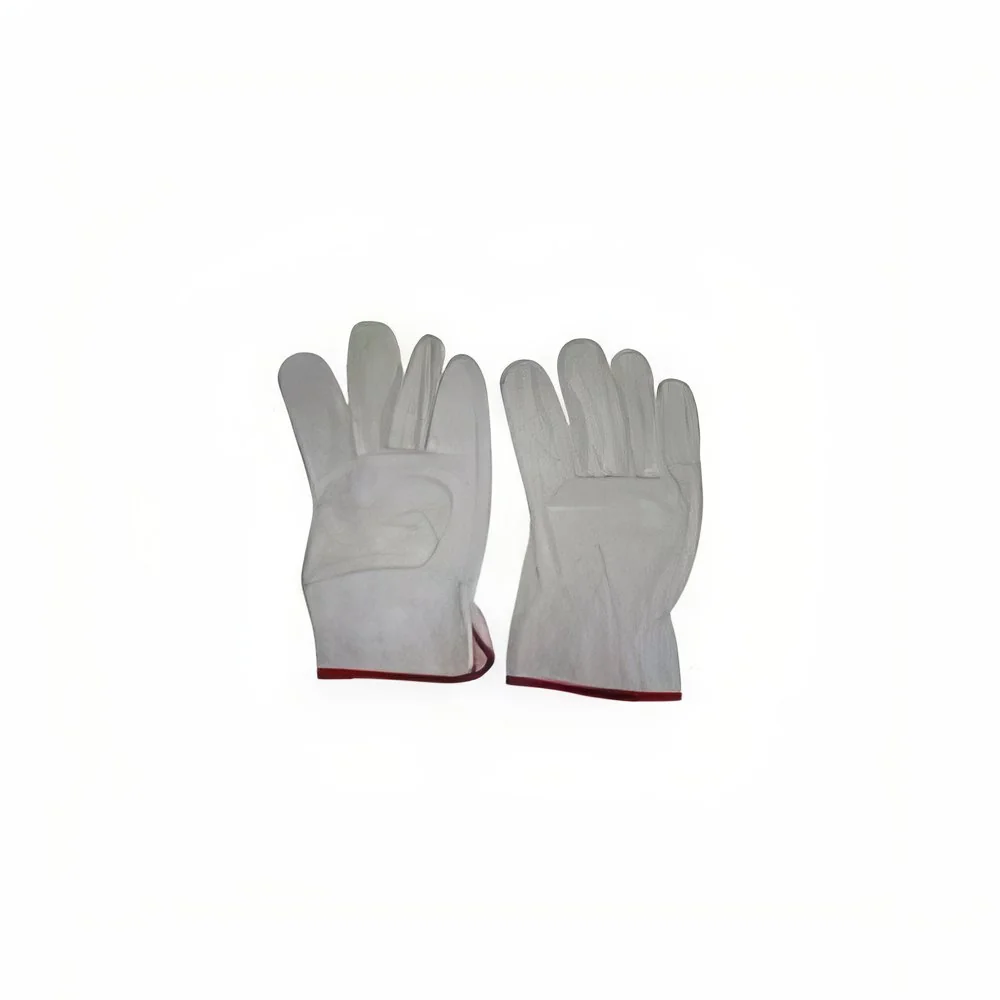
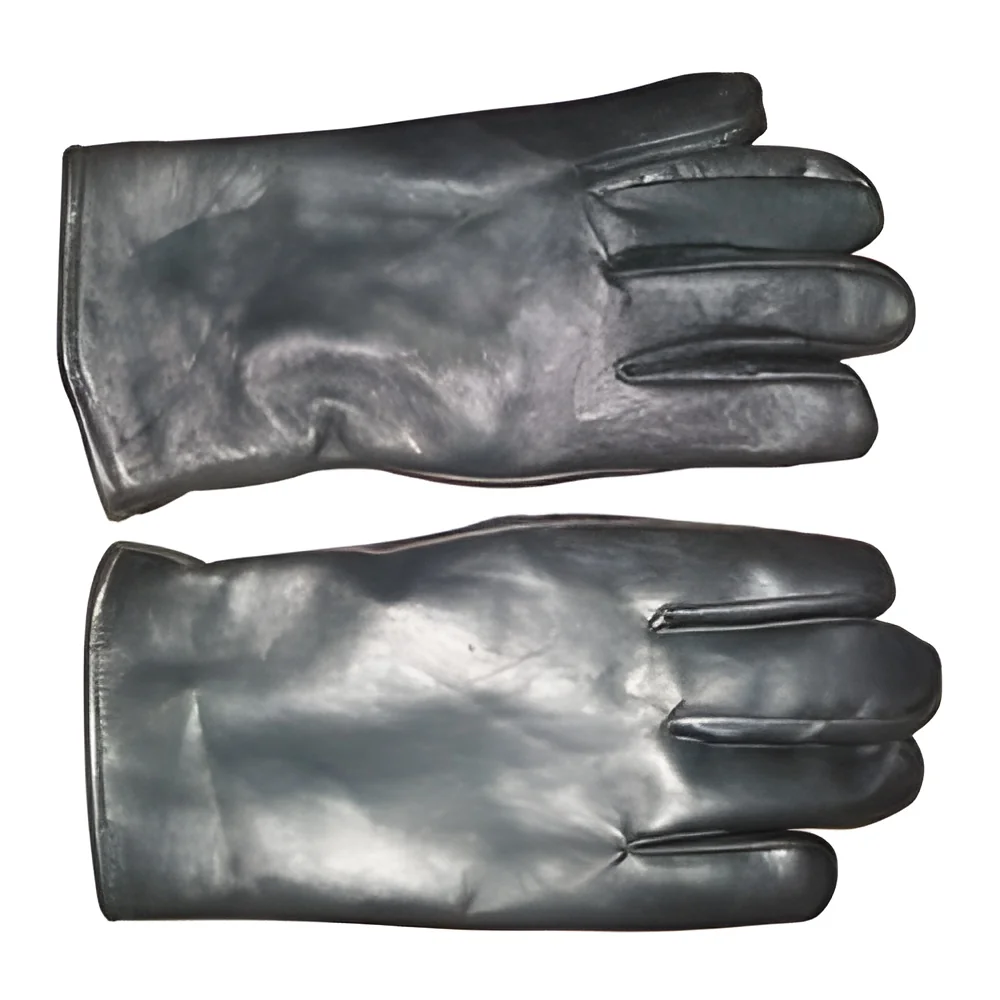
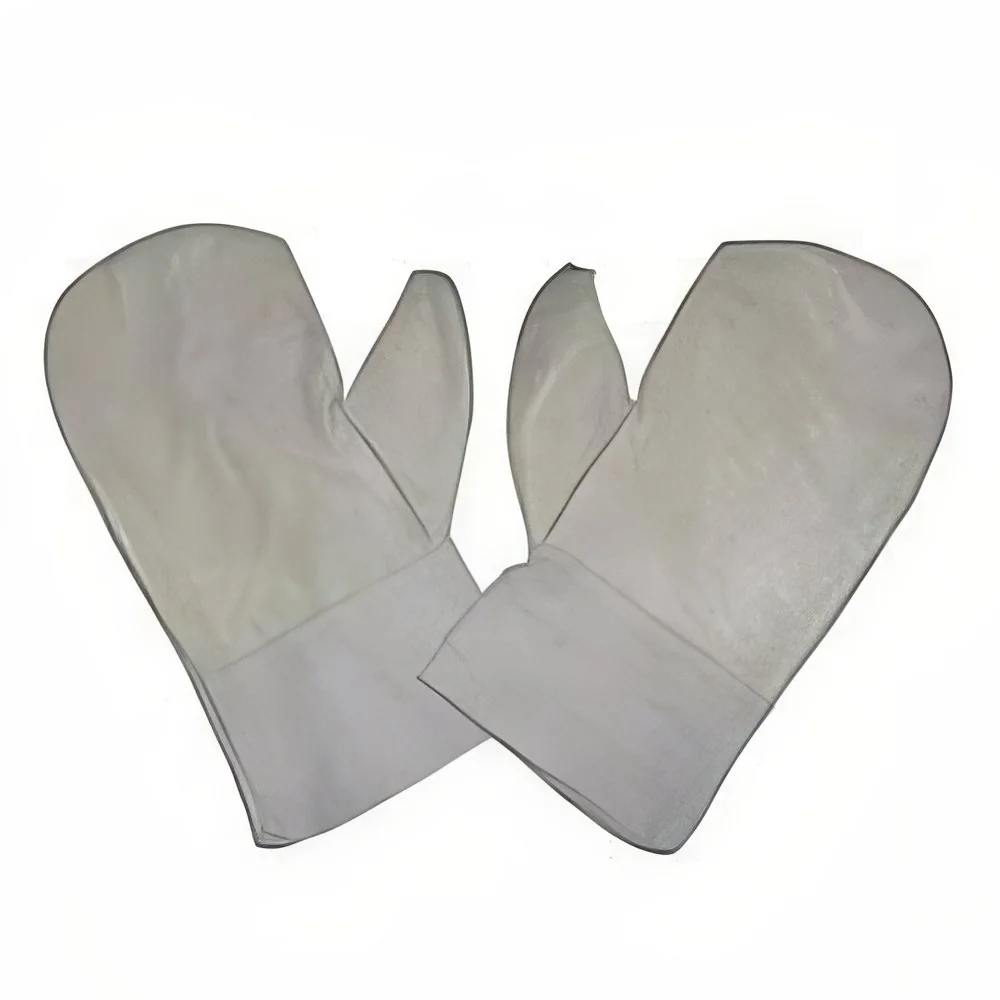
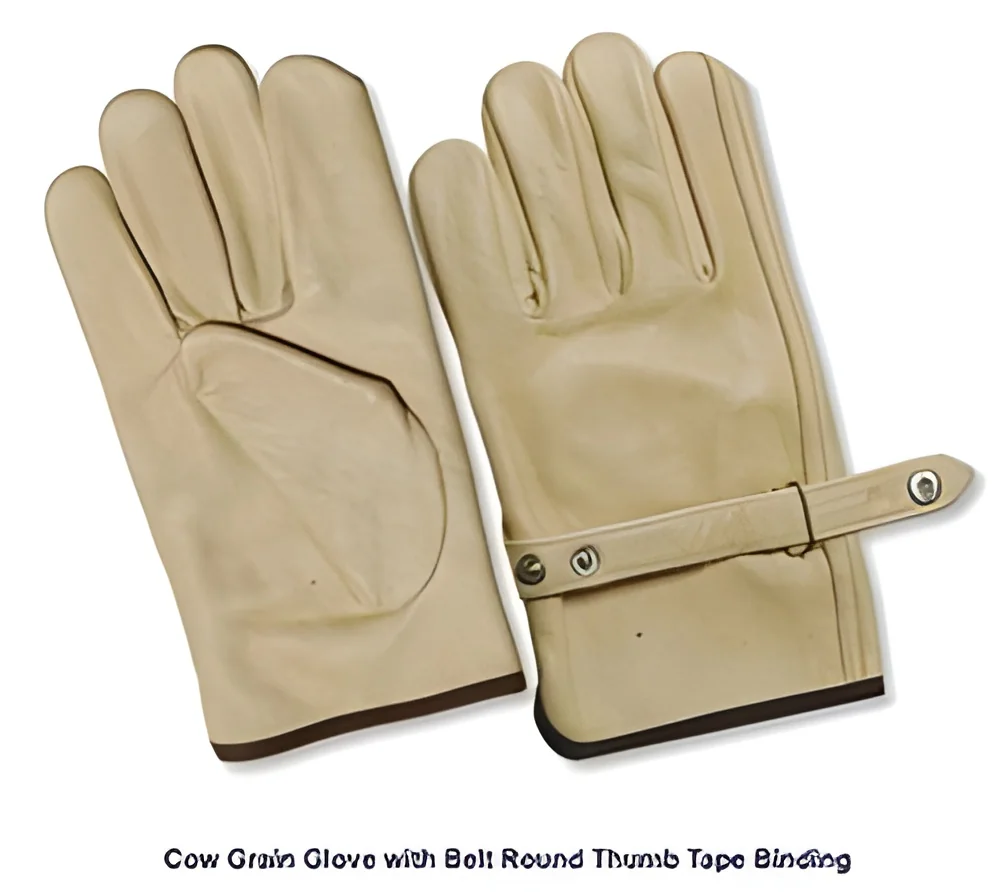
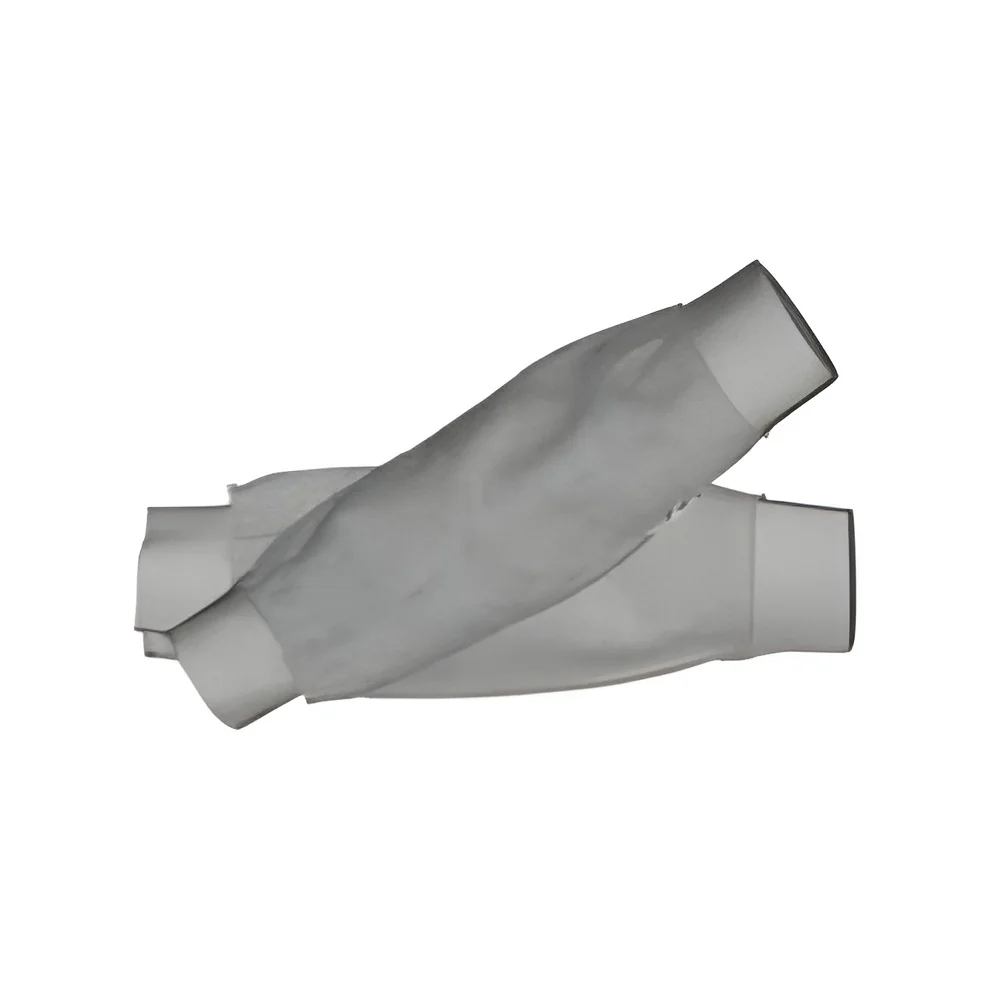
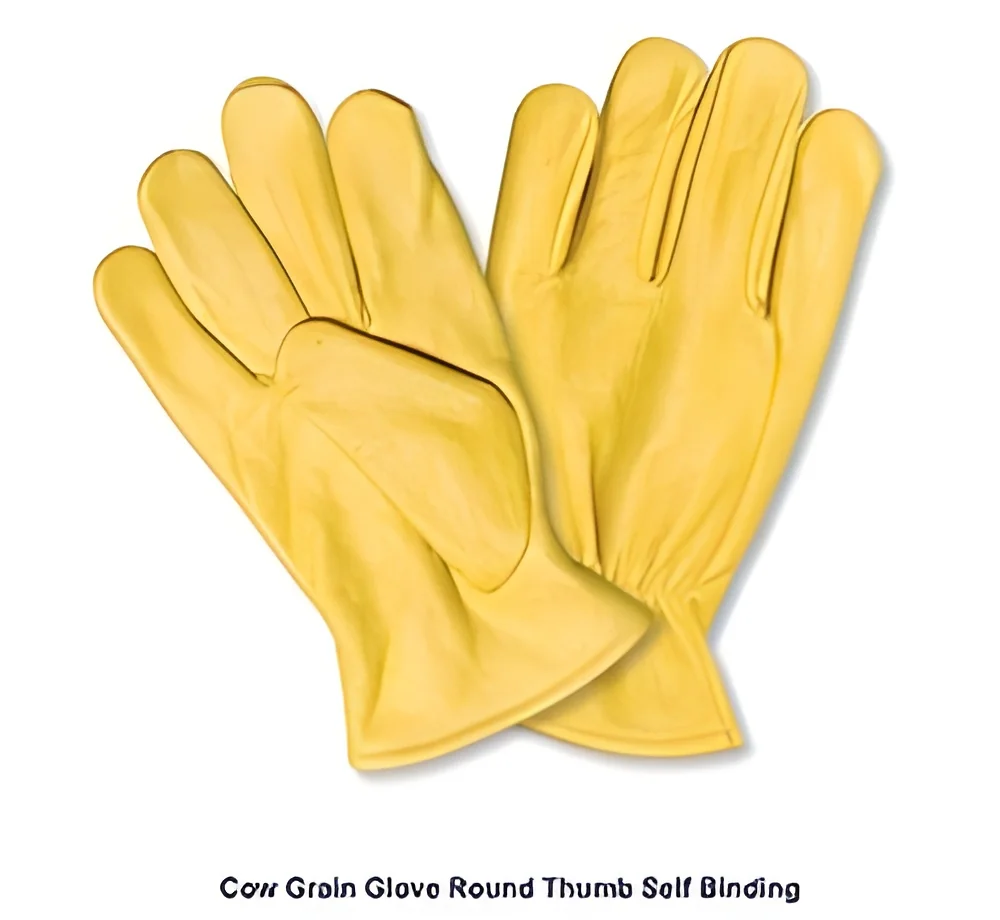
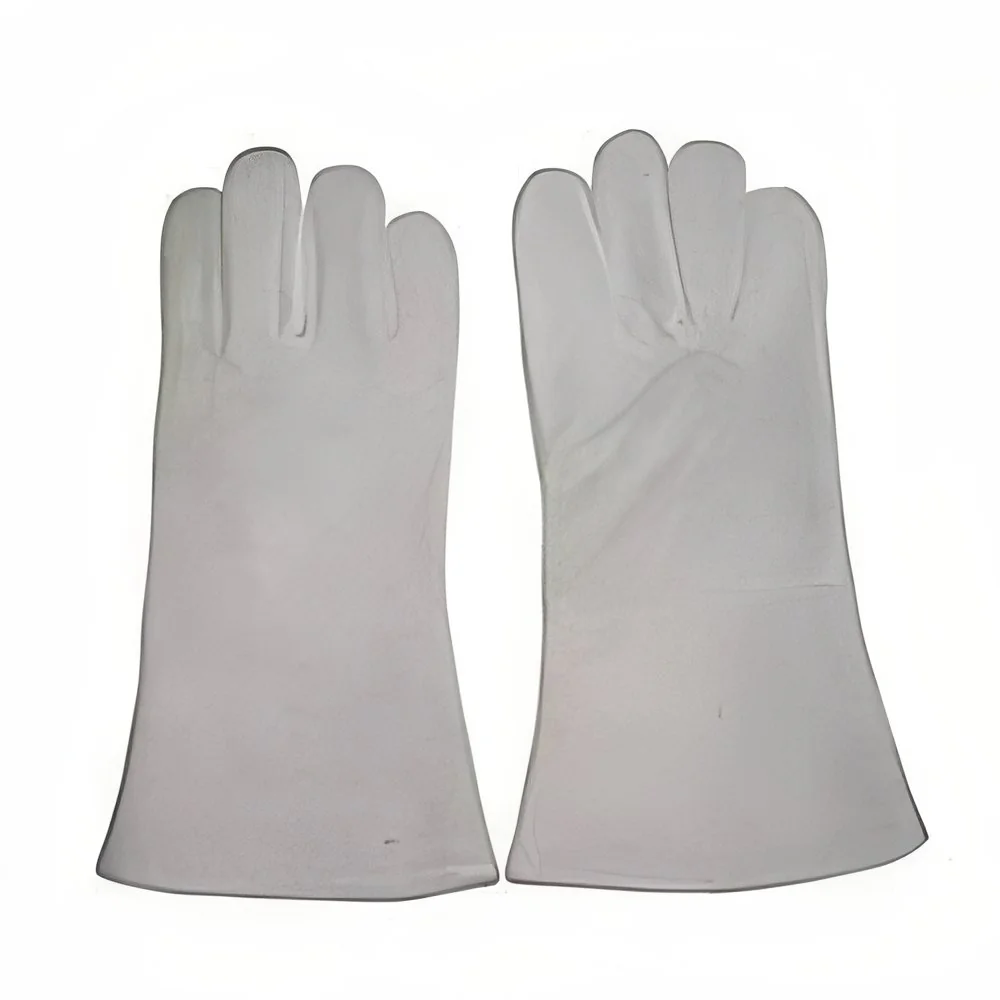
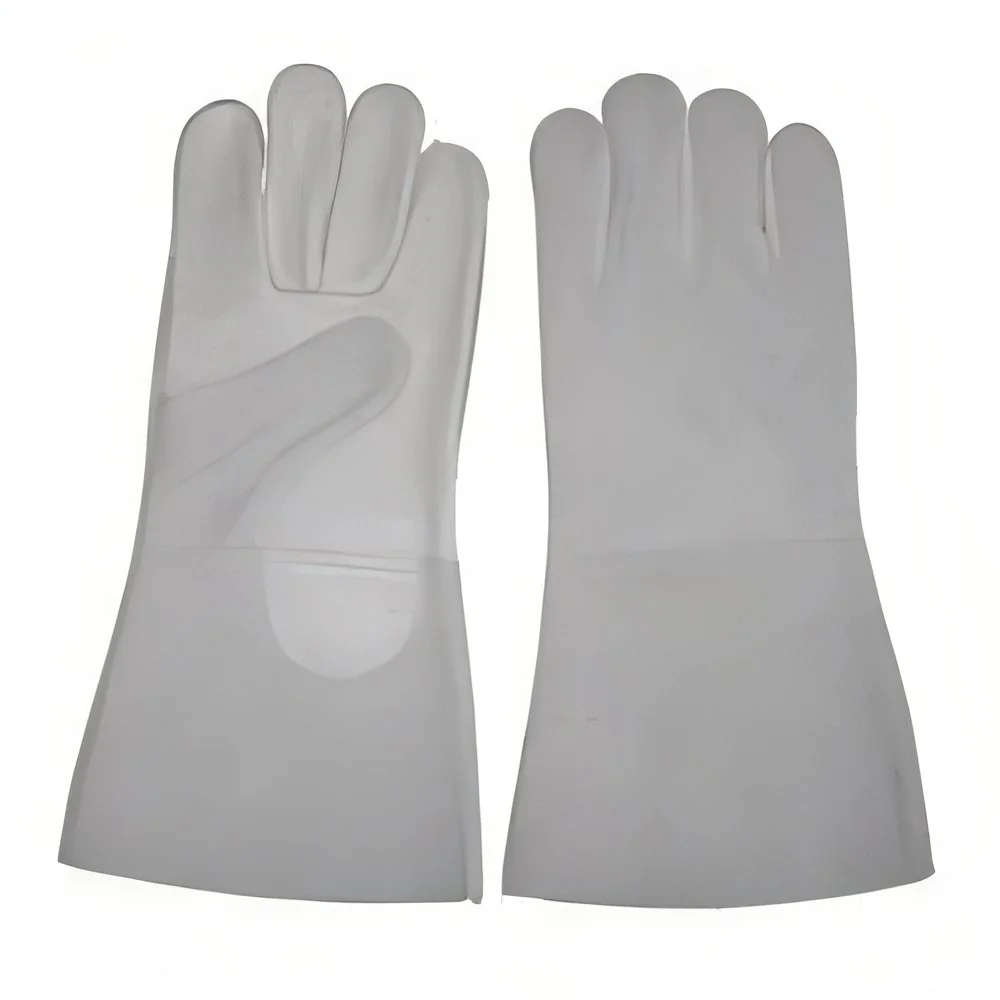
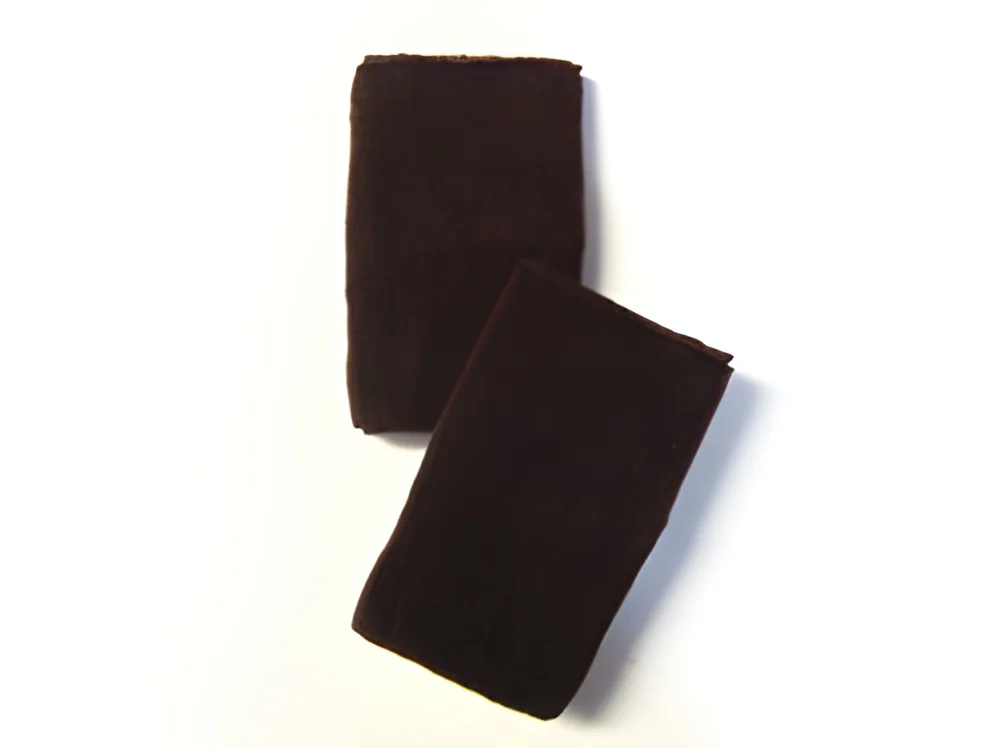
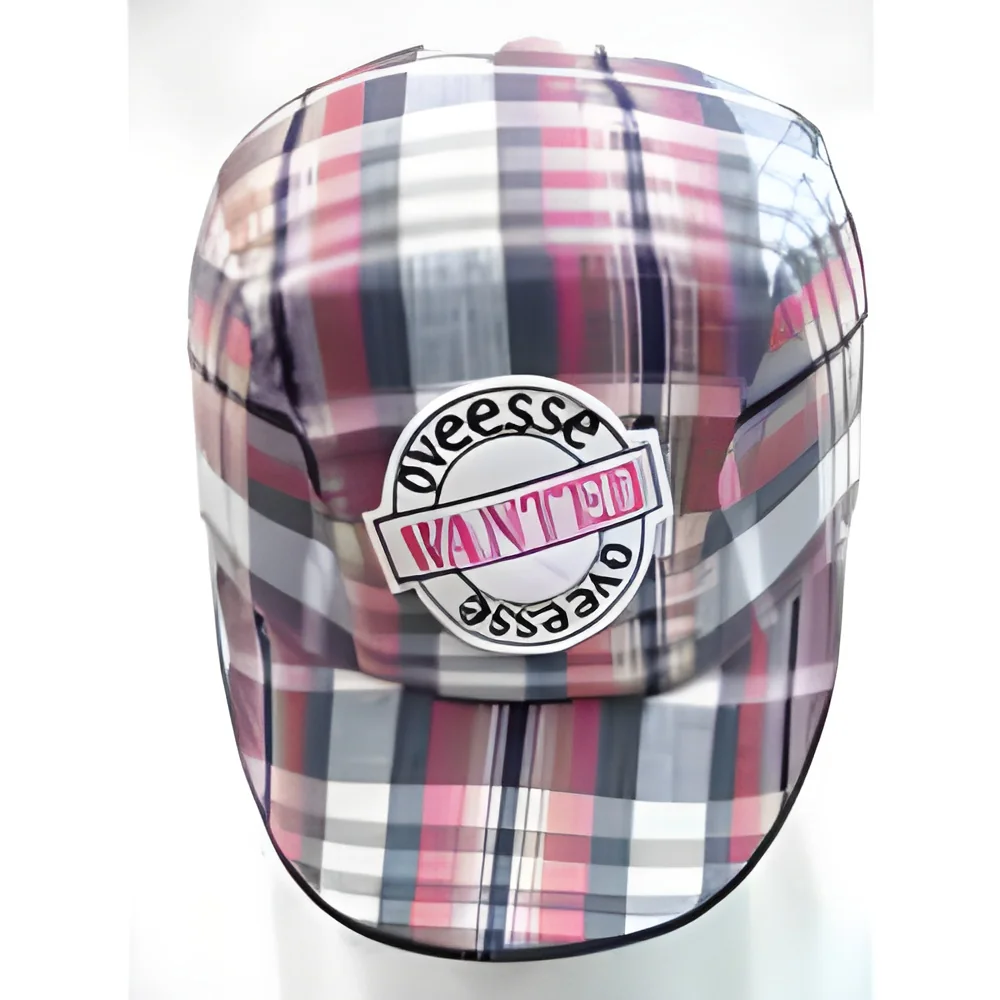
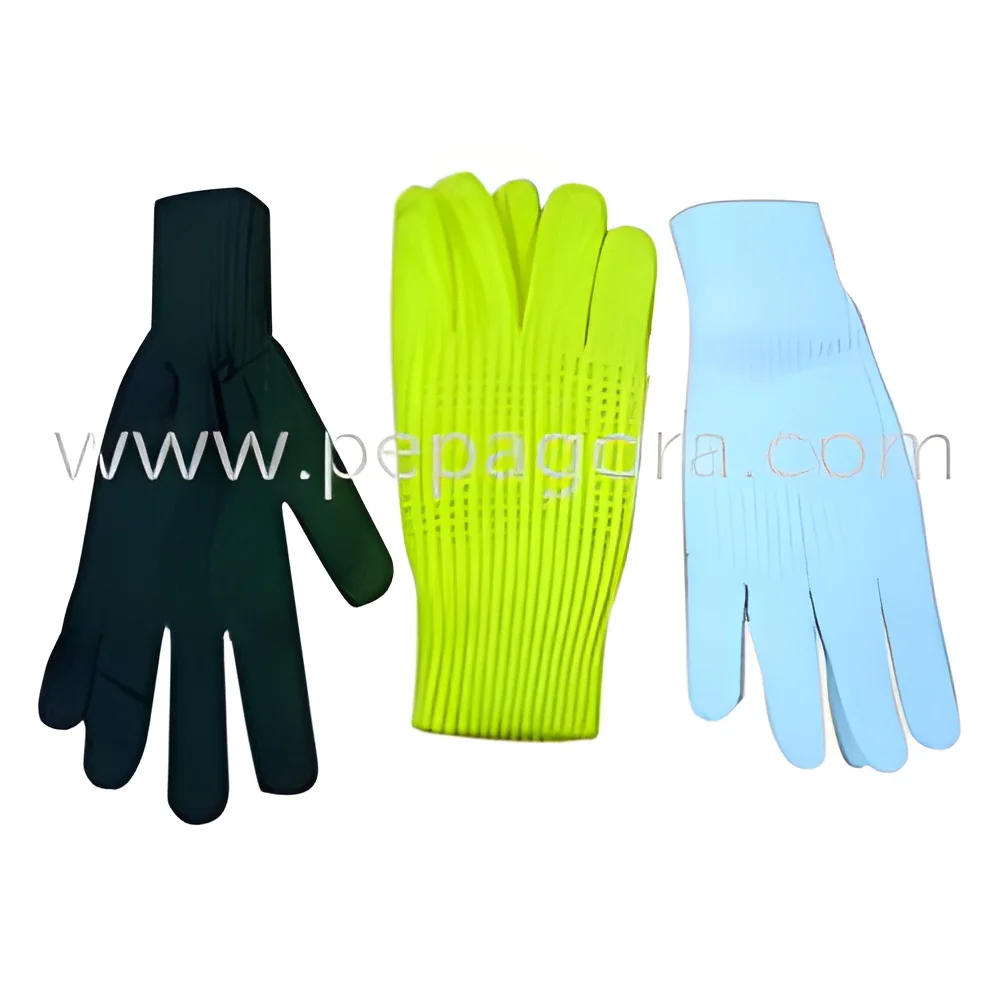
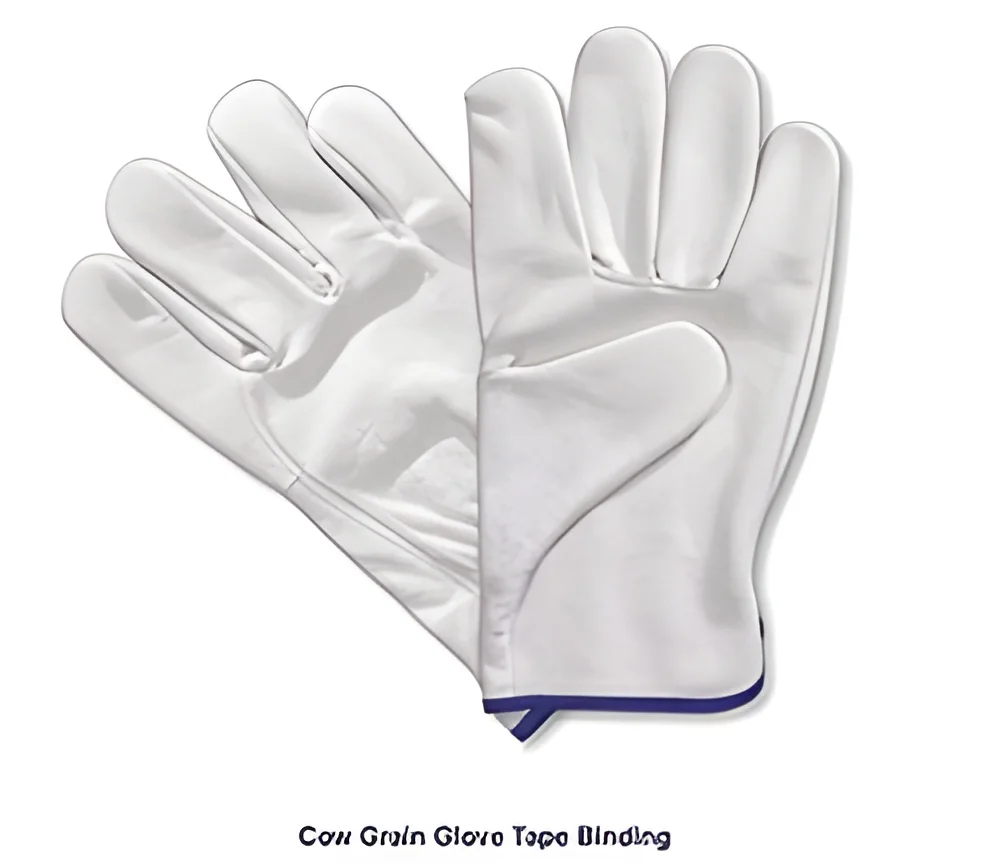
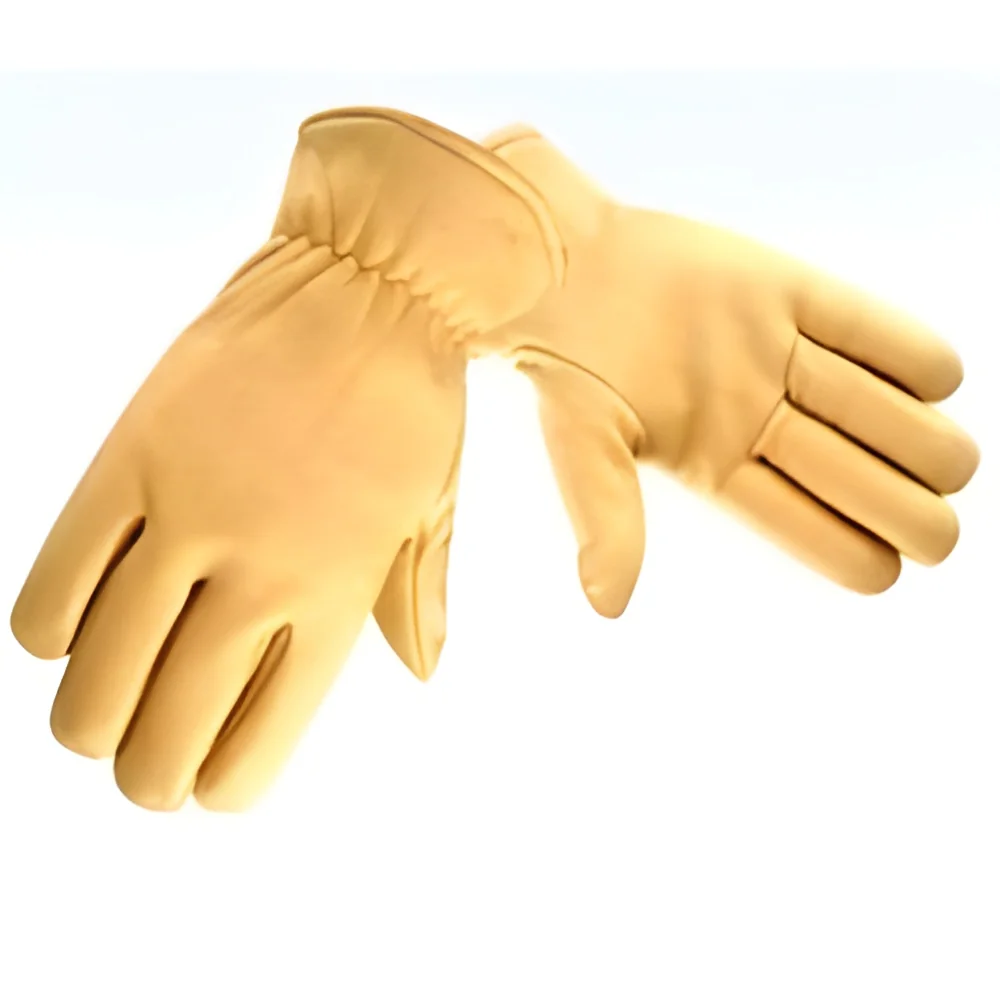
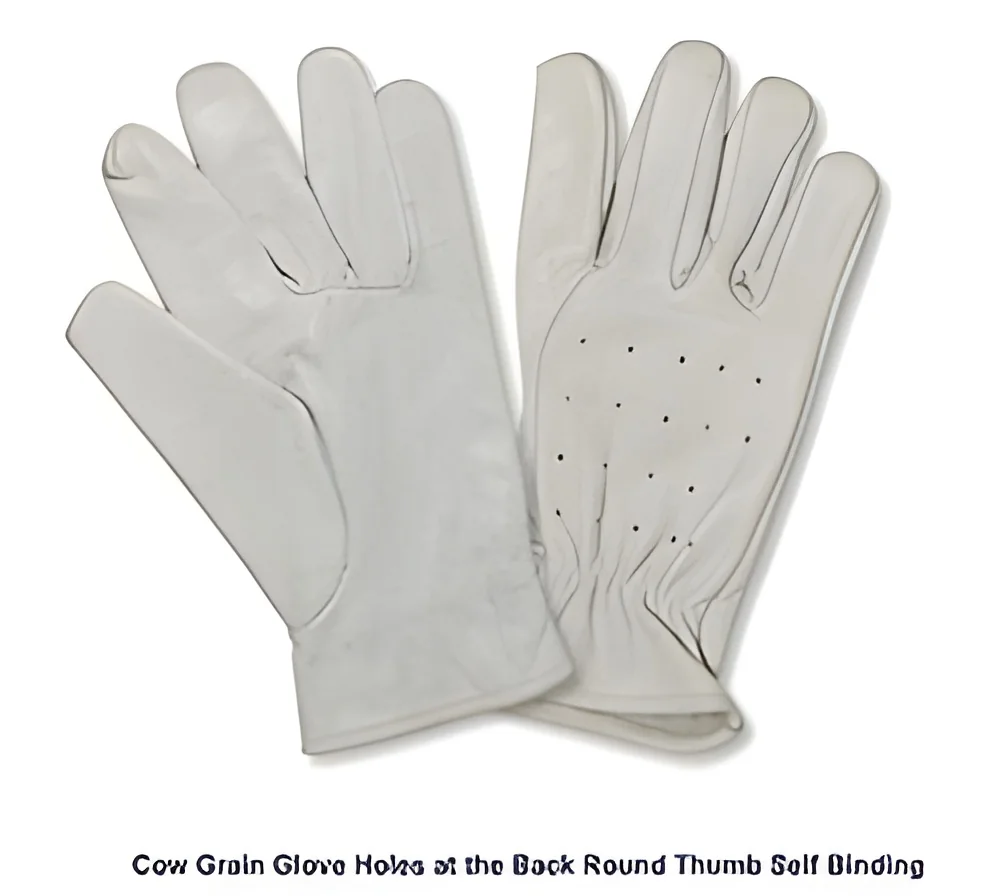
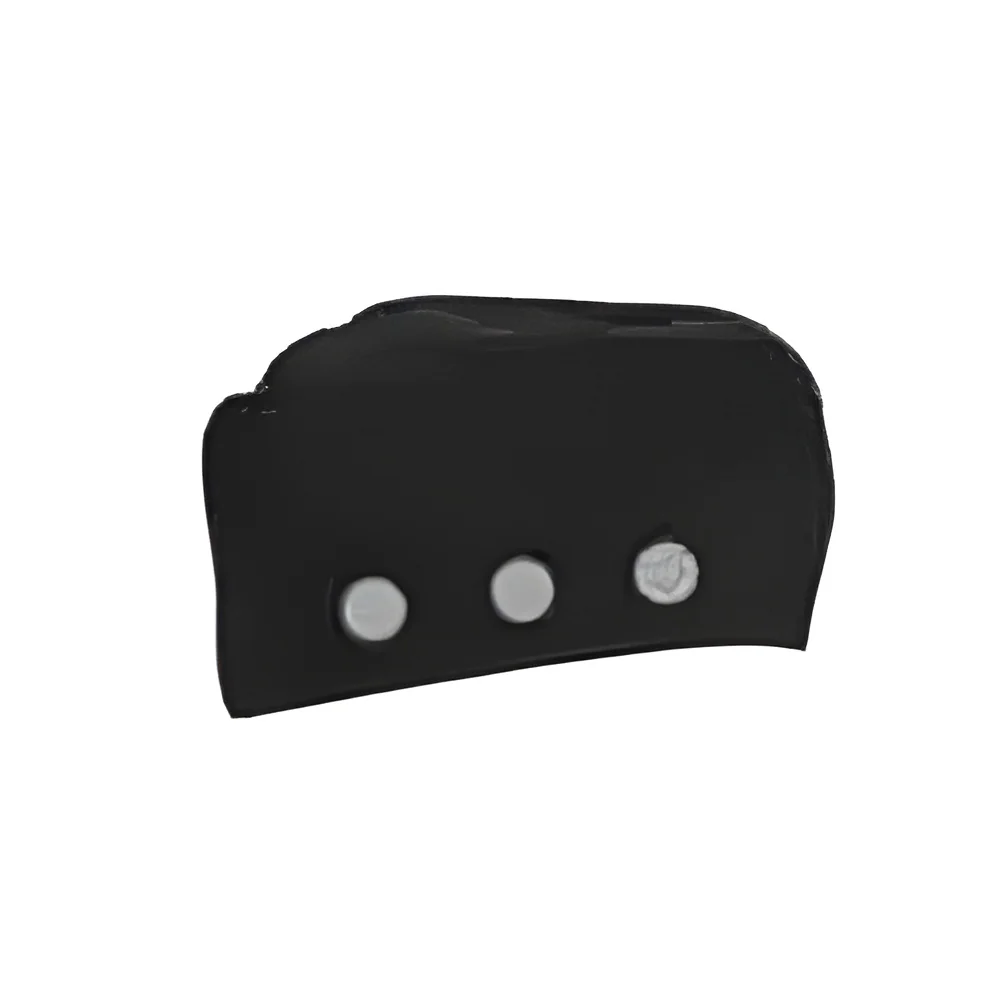
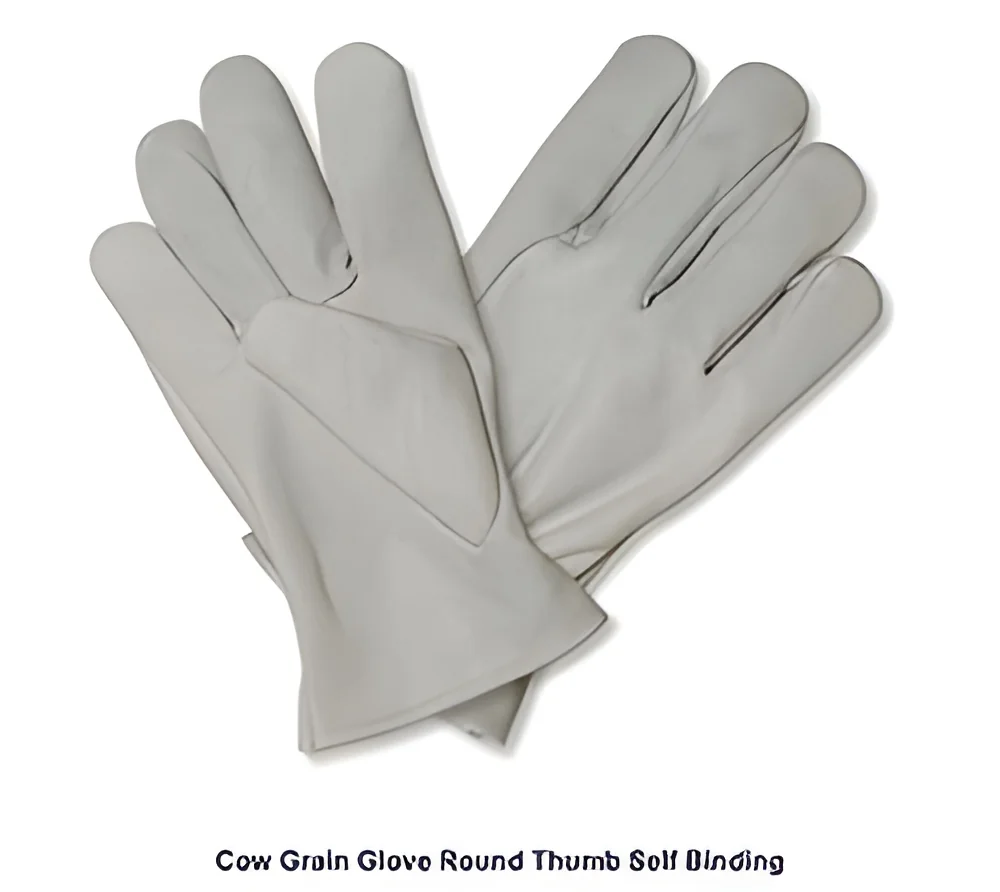
Gloves and headwear are essential personal protective equipment (PPE) designed to safeguard workers in various industrial settings. Gloves provide hand protection against physical, chemical, and thermal hazards, while headwear includes items like helmets, caps, and beanies that protect the head from impacts, heat, and environmental exposure. Both products are integral to ensuring safety and compliance within workplaces.
These items are crucial in industries such as manufacturing, construction, healthcare, and food processing. They help prevent injuries and illnesses by offering a protective barrier against potential hazards. For example, gloves are used to handle hazardous materials and tools, while headwear is vital in environments where overhead risks are present.
The relevance of gloves and headwear in the industrial market cannot be overstated. As safety regulations tighten globally, the demand for high-quality PPE continues to rise. Companies are increasingly investing in these products to enhance worker safety and meet compliance requirements. The market for gloves and headwear is expanding, driven by technological advancements and the growing awareness of occupational health and safety.
𝗞𝗲𝘆 𝗙𝗲𝗮𝘁𝘂𝗿𝗲𝘀 𝗮𝗻𝗱 𝗦𝗽𝗲𝗰𝗶𝗳𝗶𝗰𝗮𝘁𝗶𝗼𝗻𝘀
When evaluating gloves and headwear, it is essential to consider their features and specifications to ensure they meet safety and performance standards. These products must be durable, comfortable, and suitable for specific applications.
Key specifications include:
1. Material Composition
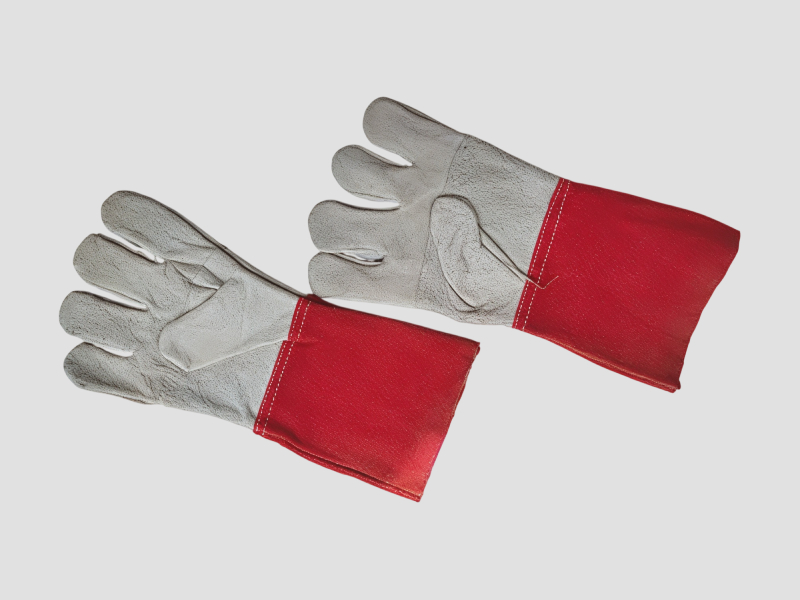
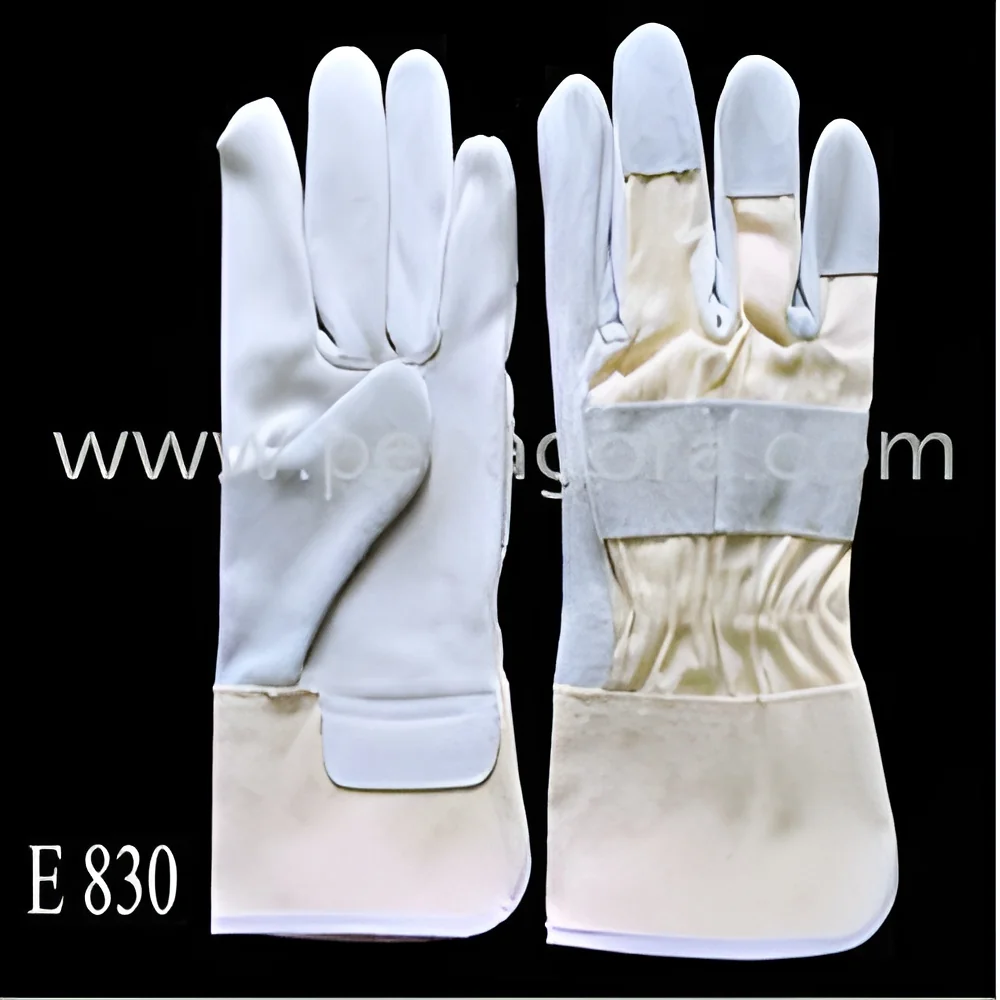
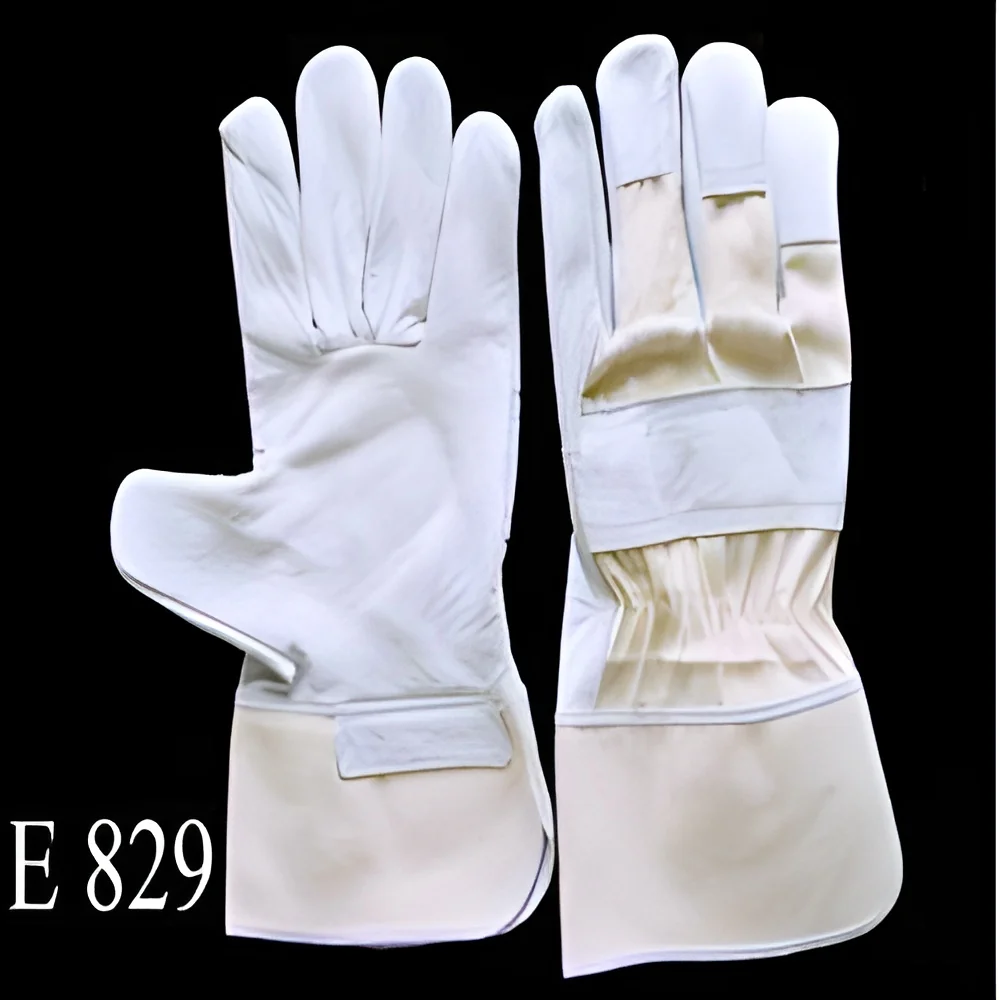
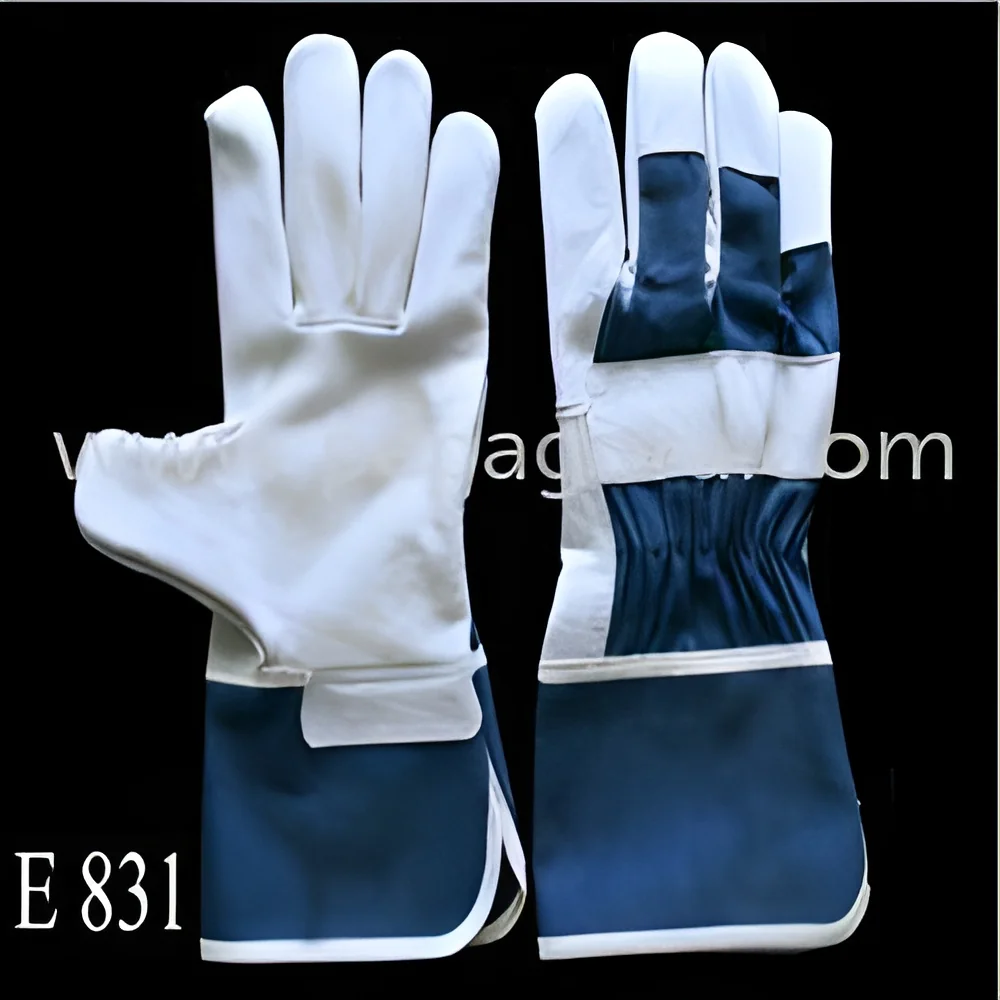
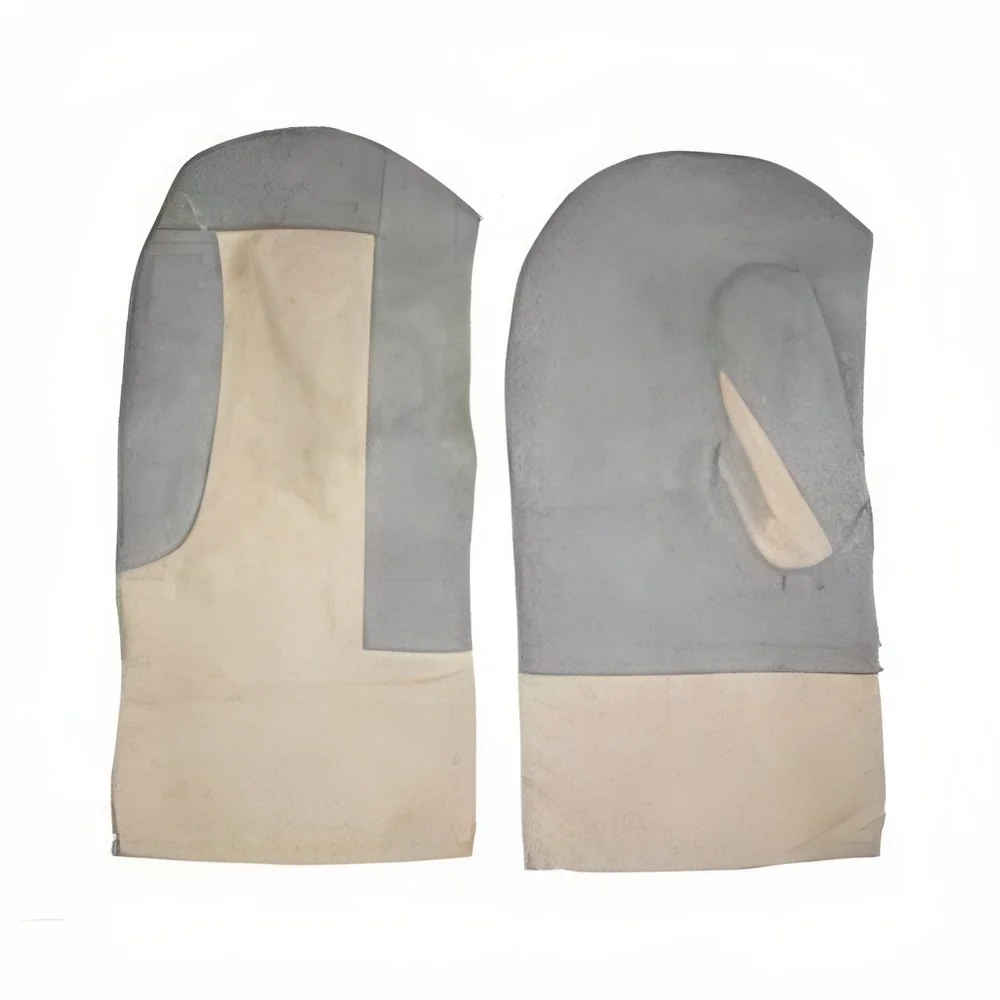
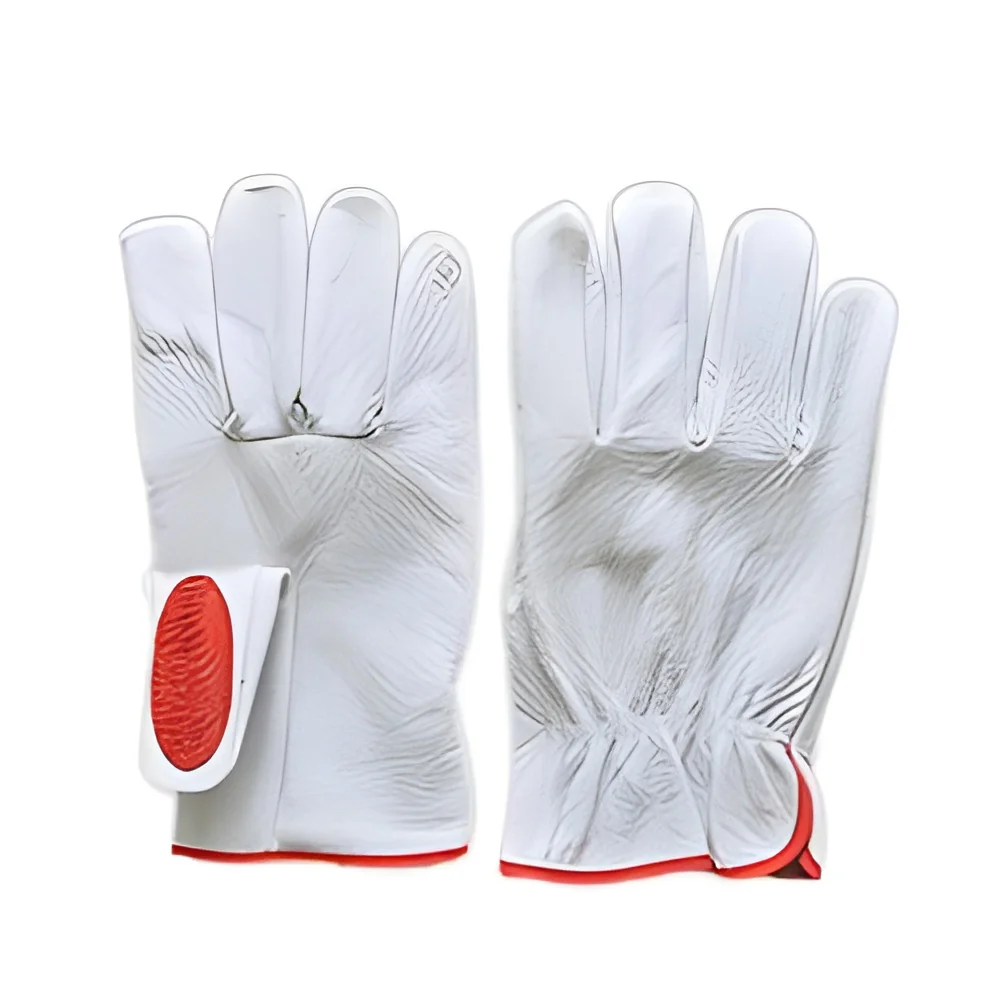
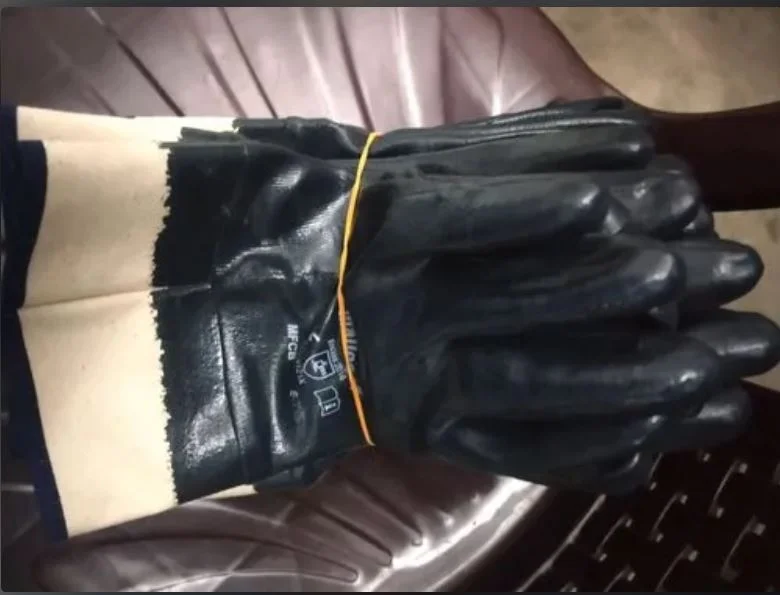
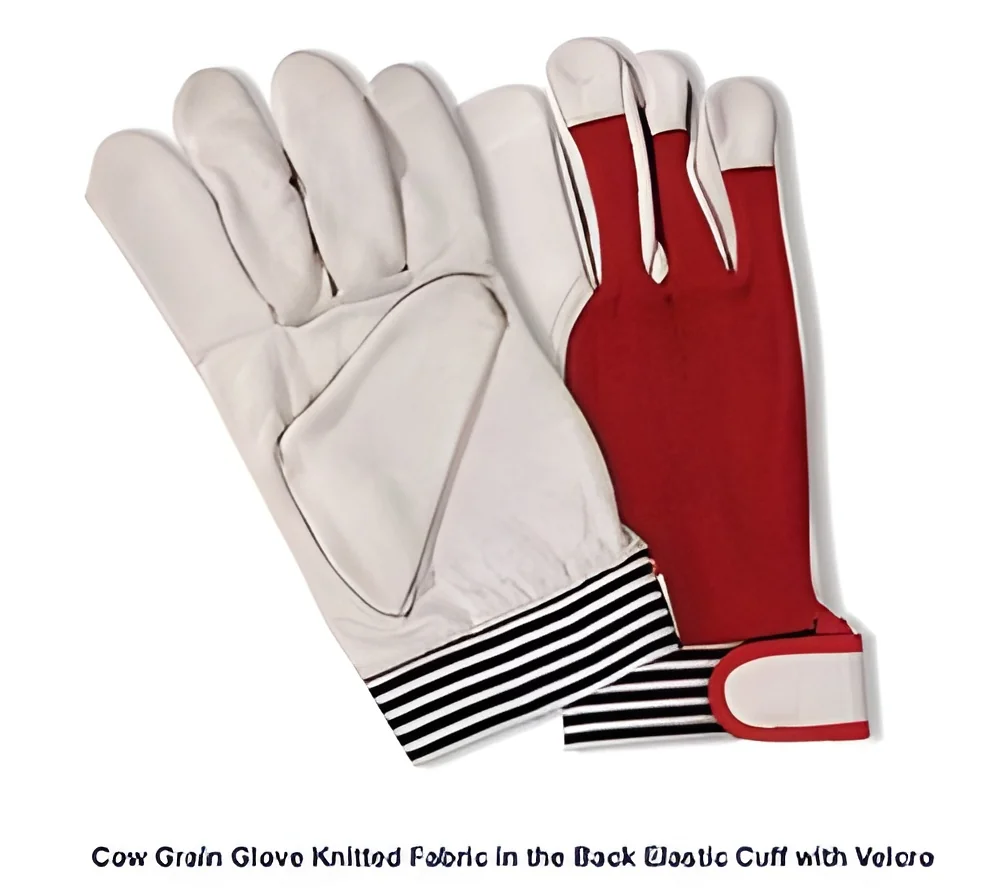
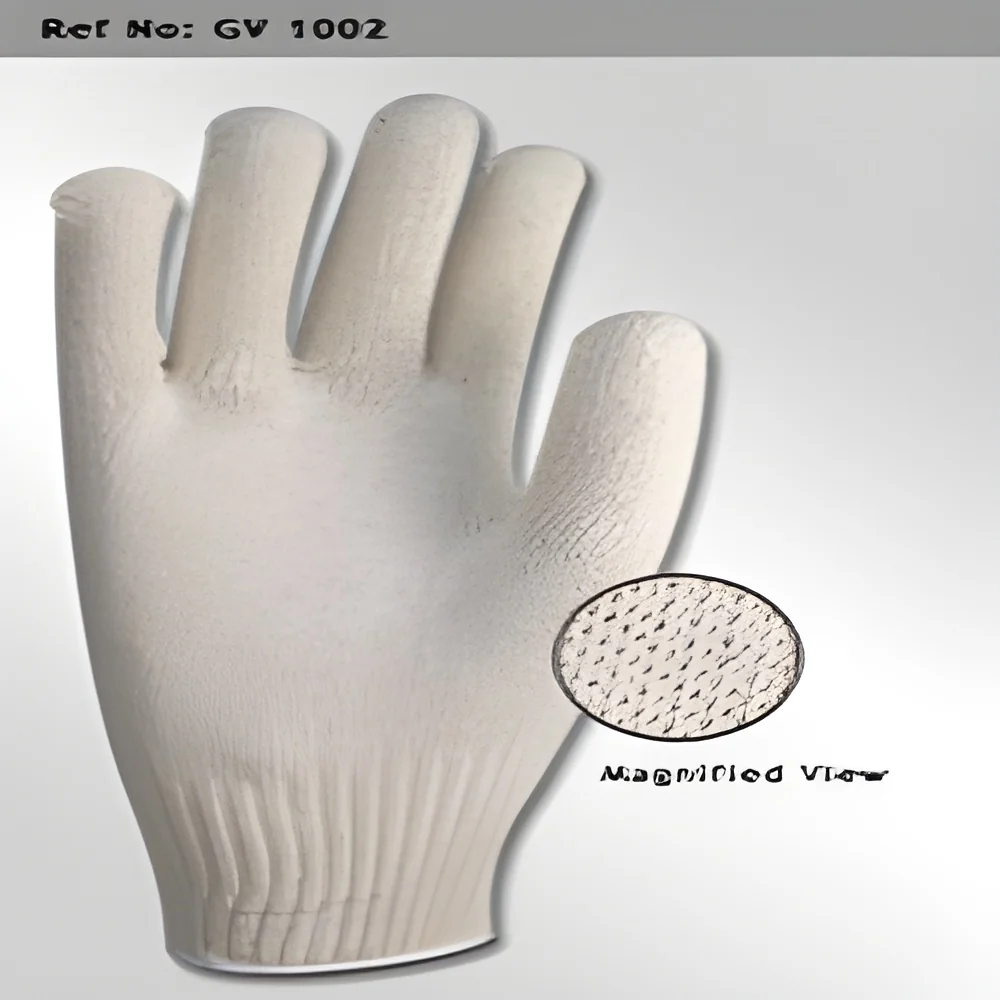
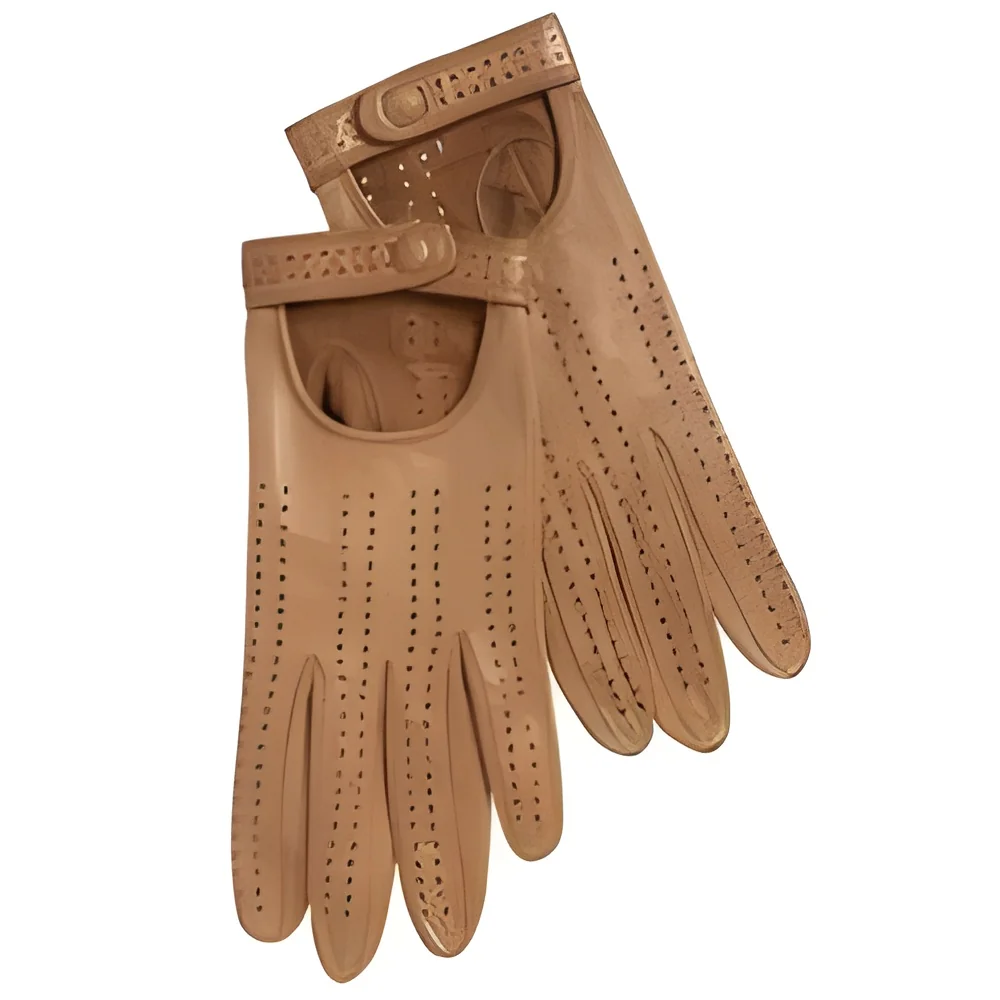
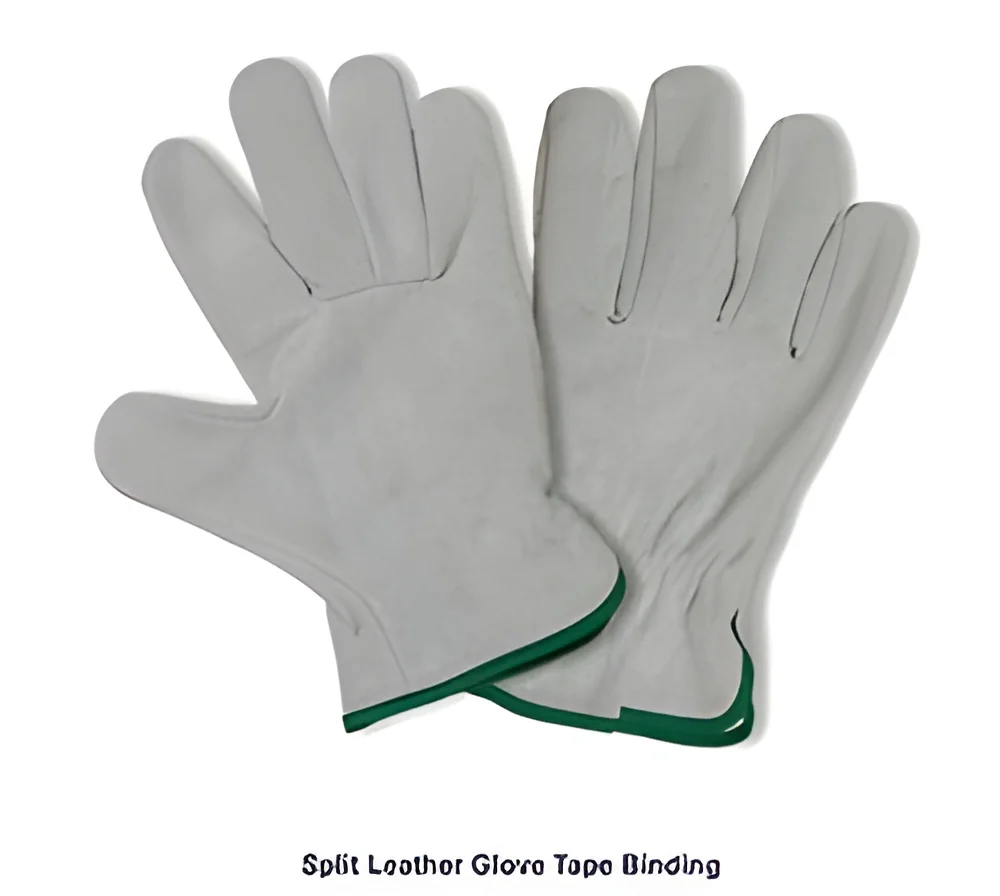
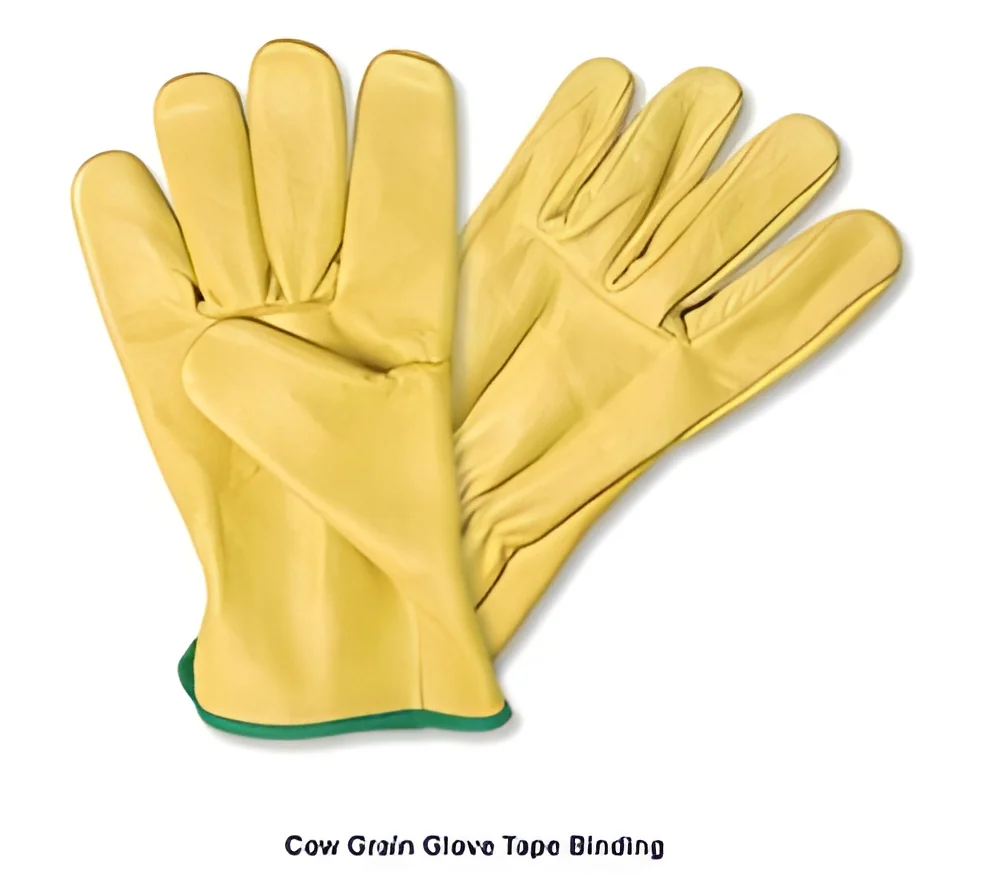
- Gloves are often made of latex, nitrile, or leather, providing varying levels of protection and dexterity.
- Headwear can be constructed from materials like high-density polyethylene or breathable fabrics, designed for comfort and safety.
2. Size and Fit
- Gloves are available in multiple sizes to accommodate a wide range of hand dimensions.
- Headwear also comes in various sizes, ensuring a secure fit for different head shapes.
3. Protection Level
- Gloves may offer cut resistance, chemical resistance, or thermal protection depending on the intended use.
- Headwear can feature impact-resistance ratings and ventilation systems for enhanced comfort and safety.
4. Compliance Standards
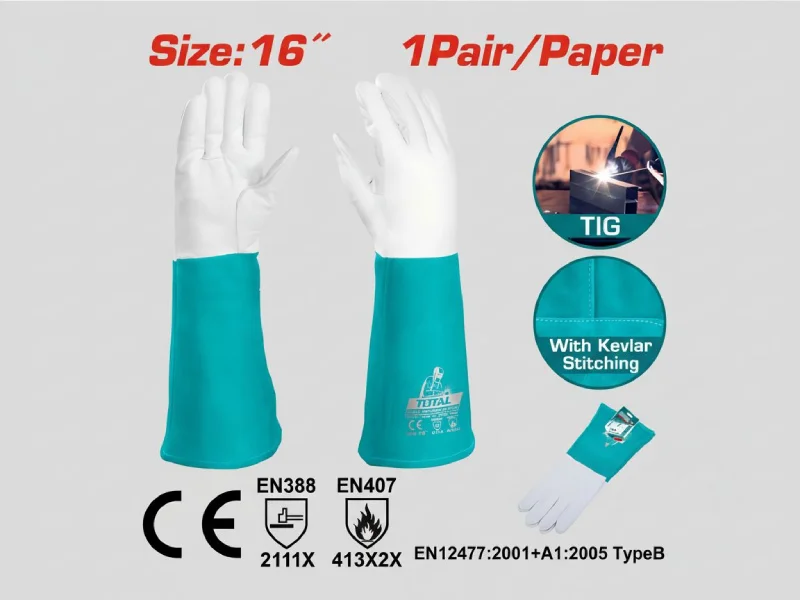
- Both gloves and headwear should meet industry-specific safety standards such as CE marking for quality assurance.
5. Color and Visibility
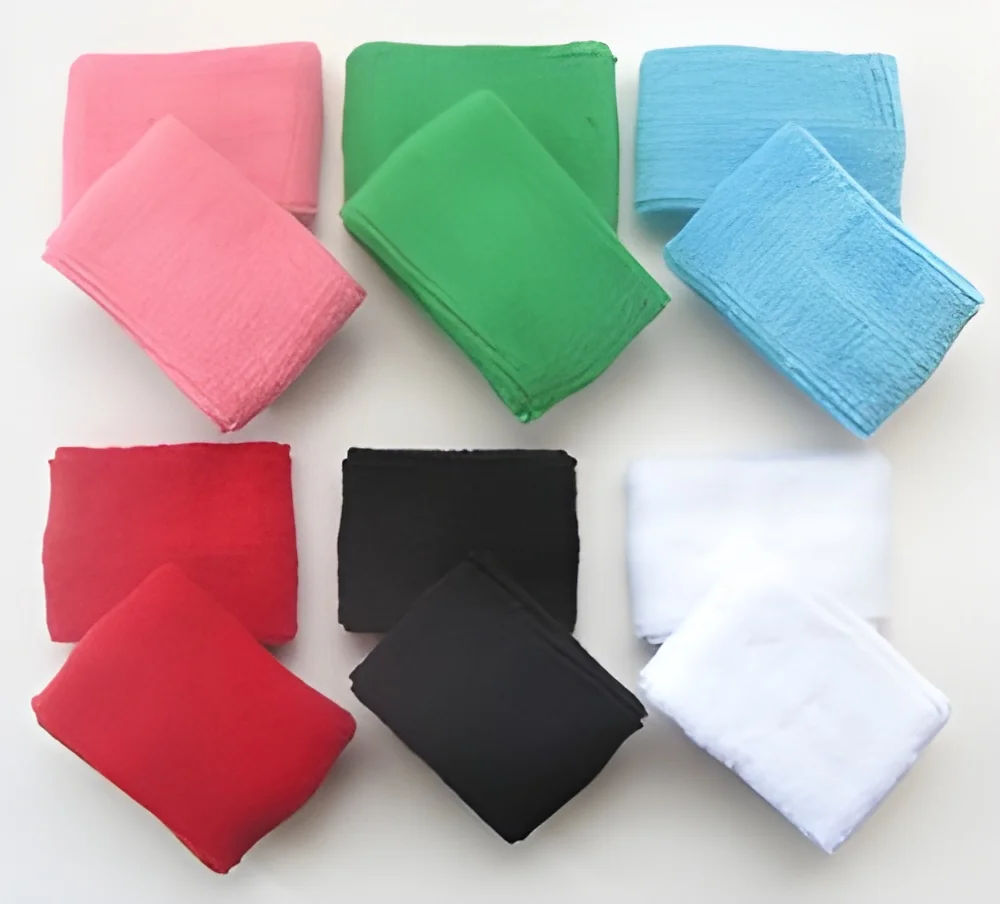
- High-visibility options are available for gloves and headwear, especially for use in low-light environments.
6. Breathability
- For headwear, moisture-wicking and breathable materials can enhance comfort during extended wear.
7. Customization Options
- Many suppliers offer customization for branding or specific features tailored to business needs.
8. Shelf Life and Durability
- The expected lifespan of gloves and headwear can vary, so it is important to assess durability based on material and usage.
In summary, understanding the key features and specifications of gloves and headwear is crucial for ensuring that the right products are selected for specific industrial needs.
𝗖𝗼𝗺𝗺𝗼𝗻 𝗔𝗽𝗽𝗹𝗶𝗰𝗮𝘁𝗶𝗼𝗻𝘀 𝗮𝗻𝗱 𝗨𝘀𝗲 𝗖𝗮𝘀𝗲𝘀
Gloves and headwear serve a wide range of industries, each with specific applications that highlight their importance.
1. Manufacturing: In manufacturing settings, gloves protect workers from sharp objects and chemicals, while headwear shields them from overhead hazards.
2. Construction: Construction workers rely on gloves for gripping tools and materials, and hard hats provide protection from falling debris.
3. Healthcare: In healthcare environments, medical-grade gloves prevent contamination, and specialized headwear protects against exposure to biological hazards.
4. Food Processing: Gloves are essential for maintaining hygiene and preventing foodborne illnesses, while headwear ensures that hair does not contaminate food products.
5. Mining: Gloves provide protection against cuts and abrasions, while helmets are critical for safeguarding against head injuries from falling rocks.
6. Oil and Gas: Workers in this sector use gloves resistant to oils and chemicals, and headwear that protects against extreme temperatures.
7. Agriculture: Gloves guard against sharp tools and chemicals, while hats protect workers from sun exposure during outdoor tasks.
𝗣𝗿𝗼𝗱𝘂𝗰𝘁 𝗩𝗮𝗿𝗶𝗮𝗻𝘁𝘀 𝗮𝗻𝗱 𝗦𝘂𝗯𝗰𝗮𝘁𝗲𝗴𝗼𝗿𝗶𝗲𝘀
Gloves and headwear come in various forms to meet diverse industrial needs.
Cut-Resistant Gloves
These gloves are designed with advanced materials that provide protection against sharp edges. They are commonly used in manufacturing and construction to prevent injuries while handling tools or materials.
Thermal Headwear
This variant includes beanies and helmets that offer insulation against cold temperatures. They are ideal for workers in outdoor settings or cold storage facilities, providing warmth without sacrificing safety.
Disposable Gloves
Commonly used in healthcare and food processing, these gloves are designed for single-use to maintain hygiene standards. They are available in various materials, including latex, vinyl, and nitrile.
High-Visibility Headwear
Especially important in construction and roadwork, this headwear features bright colors and reflective strips for enhanced visibility in low-light conditions.
𝗕𝗲𝗻𝗲𝗳𝗶𝘁𝘀 𝗮𝗻𝗱 𝗔𝗱𝘃𝗮𝗻𝘁𝗮𝗴𝗲𝘀
Choosing high-quality gloves and headwear provides numerous advantages for businesses and their employees.
1. Enhanced Safety: Gloves and headwear significantly reduce the risk of injuries in hazardous work environments, protecting workers from potential accidents.
2. Compliance with Regulations: Using certified PPE helps businesses meet safety regulations, avoiding fines and legal issues.
3. Improved Comfort: Modern designs focus on ergonomic fit and breathability, ensuring that workers remain comfortable during long shifts.
4. Increased Productivity: When employees feel safe and comfortable, they are more likely to focus on their tasks, leading to increased efficiency.
5. Customization Options: Businesses can customize gloves and headwear for branding, helping to enhance company visibility and identity.
6. Cost-Effectiveness: Investing in quality PPE reduces the likelihood of workplace injuries, ultimately saving costs associated with medical claims and worker downtime.
𝗕𝘂𝘆𝗶𝗻𝗴 𝗚𝘂𝗶𝗱𝗲 𝗳𝗼𝗿 𝗕𝟮𝗕 𝗕𝘂𝘆𝗲𝗿𝘀
When sourcing gloves and headwear, there are several important factors to consider to ensure the right products are selected.
1. Quality Assessment: Evaluate the materials and construction of gloves and headwear to ensure they meet safety standards. Look for certifications that indicate compliance with industry regulations.
2. Supplier Verification: Vet suppliers thoroughly to ensure reliability and quality of products. Check references and reviews to gauge their reputation in the market.
3. Pricing and MOQ: Understand the pricing structure and minimum order quantities (MOQ) required by suppliers. This helps in budgeting and ensuring stock availability.
4. Delivery and Lead Times: Assess the supplier's logistics capabilities and delivery schedules to ensure timely receipt of products.
5. Compliance Requirements: Be aware of any compliance requirements relevant to your industry, including safety certifications and quality standards that your gloves and headwear must meet.
𝗖𝗼𝗺𝗽𝗹𝗶𝗮𝗻𝗰𝗲 𝗮𝗻𝗱 𝗖𝗲𝗿𝘁𝗶𝗳𝗶𝗰𝗮𝘁𝗶𝗼𝗻𝘀
Compliance with industry standards is crucial for ensuring the safety and efficacy of gloves and headwear.
Relevant quality standards such as ISO 9001 ensure that manufacturers maintain consistent quality management systems. This certification indicates that the products meet international quality assurance criteria.
Industry certifications, such as the CE mark, indicate that the products comply with European safety standards. This is particularly important for businesses operating in or exporting to the EU market.
Safety and testing requirements vary by application. Gloves and headwear must undergo rigorous testing to ensure they can withstand specific hazards, such as chemical exposure or impact.
Regional compliance considerations are also critical. Different countries may have varying regulations regarding PPE, so it is essential to understand and adhere to local laws when sourcing these products.
𝗪𝗵𝘆 𝗦𝗼𝘂𝗿𝗰𝗲 𝗚𝗹𝗼𝘃𝗲𝘀 & 𝗛𝗲𝗮𝗱𝘄𝗲𝗮𝗿 𝗳𝗿𝗼𝗺 𝗣𝗲𝗽𝗮𝗴𝗼𝗿𝗮?
Pepagora offers a reliable platform for sourcing gloves and headwear, providing many advantages for B2B buyers.
Verified Supplier Network: Pepagora connects buyers with a network of verified suppliers, ensuring that they receive high-quality products that meet industry standards. This verification process helps mitigate risks associated with supplier reliability.
Streamlined RFQ Process: The platform features a user-friendly request for quotation (RFQ) system, enabling buyers to easily request quotes from multiple suppliers. This streamlining saves time and allows for better price comparisons.
Trade Assurance and Support: Pepagora provides trade assurance to protect buyers' investments, ensuring that orders are fulfilled as promised. This support fosters confidence in the sourcing process.
Regional Coverage: With a strong presence in India, the GCC, and Southeast Asia, Pepagora offers extensive geographic reach. This allows buyers to access a diverse range of products and suppliers, tailored to their specific regional needs.

 IN
IN