𝗪𝗵𝗮𝘁 𝗮𝗿𝗲 𝗕𝗮𝗯𝘆 𝗙𝗼𝗼𝗱 𝗣𝗿𝗼𝗱𝘂𝗰𝘁𝘀?
Baby food products refer to specially formulated foods designed for infants and toddlers. These products can include purees, cereals, snacks, and other items that cater to the nutritional needs of young children. Typically, baby food is created with ingredients that are safe and healthy for babies, taking into consideration the appropriate texture and flavor profiles for their developing tastes.
The primary use of baby food products is to provide essential nutrients to growing infants. They are often used by parents and caregivers to ensure that babies receive balanced diets, particularly during the transition from milk to solid foods. Additionally, baby food products are utilized in various health and childcare sectors, such as hospitals, daycare centers, and pediatric practices, where the proper nutrition of infants is paramount.
In the context of the industry, baby food products have seen a significant rise in demand due to increasing awareness about child nutrition and health. As more parents seek convenient and healthy options, the market for baby food continues to expand, leading to innovations in flavors, packaging, and dietary options. This growth presents ample opportunities for businesses involved in manufacturing, distributing, and retailing baby food products.
𝗞𝗲𝘆 𝗙𝗲𝗮𝘁𝘂𝗿𝗲𝘀 𝗮𝗻𝗱 𝗦𝗽𝗲𝗰𝗶𝗳𝗶𝗰𝗮𝘁𝗶𝗼𝗻𝘀
Baby food products come with several key features that make them suitable for young children. These features focus on nutrition, safety, and convenience.
Key specifications include:
1. Nutritional Content
- Balanced blend of essential vitamins and minerals
- Specifically formulated for different age groups
2. Texture Variations
- Available in purees, semi-solids, and finger foods
- Designed for easy consumption by infants
3. Ingredients Quality
- Made from organic or natural ingredients
- Free from additives, preservatives, and artificial flavors
4. Packaging
- Child-safe and easy-to-open packaging
- Options for single-serve or bulk containers
5. Allergen Information
- Clear labeling for common allergens
- Options available for hypoallergenic diets
6. Shelf Life
- Extended shelf life for convenience
- Proper sealing for freshness
7. Storage Conditions
- Recommendations for storage temperatures
- Humidity control features where applicable
In summary, baby food products are crafted with specific features aimed at ensuring the safety, nutritional value, and convenience of feeding infants and toddlers.
𝗖𝗼𝗺𝗺𝗼𝗻 𝗔𝗽𝗽𝗹𝗶𝗰𝗮𝘁𝗶𝗼𝗻𝘀 𝗮𝗻𝗱 𝗨𝘀𝗲 𝗖𝗮𝘀𝗲𝘀
Baby food products serve various industries, providing tailored nutrition for infants and young children.
1. Healthcare: Hospitals and clinics often use baby food products in pediatric wards to ensure that infants receive the necessary nutrition during recovery or growth phases.
2. Childcare: Daycare centers utilize baby food products to provide healthy meals and snacks for children, catering to dietary restrictions and preferences.
3. Retail: Supermarkets and specialty stores offer a wide array of baby food products, catering to the demands of parents looking for convenient and nutritious options.
4. Food Service: Restaurants and catering services that focus on family-friendly dining include baby food options in their menus for young patrons.
5. Food Manufacturing: Companies that produce baby food products can also expand into related areas, such as organic snacks or toddler meals, based on market demand.
𝗣𝗿𝗼𝗱𝘂𝗰𝘁 𝗩𝗮𝗿𝗶𝗮𝗻𝘁𝘀 𝗮𝗻𝗱 𝗦𝘂𝗯𝗰𝗮𝘁𝗲𝗴𝗼𝗿𝗶𝗲𝘀
The diversity of baby food products allows for various options tailored to different needs and preferences.
Pureed Baby Foods
These are smooth textures made from fruits, vegetables, or grains, ideal for infants just starting on solid foods. They offer essential nutrients without any added preservatives.
Cereals
Baby cereals are often fortified with iron and other vitamins, making them a popular choice for breakfast. They can be mixed with breast milk or formula for added nutrition.
Snacks
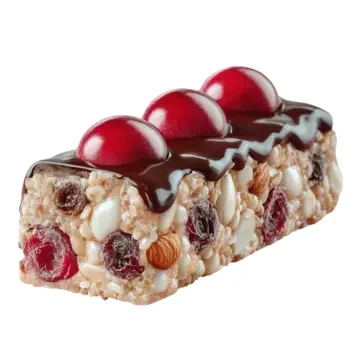
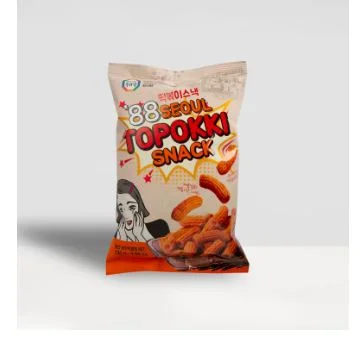
Baby snacks are designed for older infants and toddlers, providing safe and nutritious options for on-the-go eating. They often come in bite-sized pieces that are easy for little hands to grasp.
Stage-Specific Foods
These products cater to different developmental stages, with textures and flavors evolving as the child grows. They ensure that toddlers receive age-appropriate nutrition.
𝗕𝗲𝗻𝗲𝗳𝗶𝘁𝘀 𝗮𝗻𝗱 𝗔𝗱𝘃𝗮𝗻𝘁𝗮𝗴𝗲𝘀
Sourcing baby food products offers several key benefits for businesses and consumers alike.
1. Nutritional Assurance: Baby food products are designed to meet the nutritional needs of infants, ensuring that they receive essential vitamins and minerals during critical growth periods.
2. Convenience: Ready-to-eat options provide ease for busy parents, eliminating the need for extensive meal preparation.
3. Safety Standards: Reputable baby food products adhere to stringent safety and quality standards, giving parents peace of mind about what they feed their children.
4. Variety: A wide range of flavors and textures keeps mealtime interesting for infants and encourages healthy eating habits.
5. Innovation: The baby food market is continually evolving, with new products that reflect changing consumer preferences, such as organic and allergen-free options.
6. Brand Loyalty: High-quality baby food products can foster brand loyalty among parents who prioritize their children's health and nutrition.
𝗕𝘂𝘆𝗶𝗻𝗴 𝗚𝘂𝗶𝗱𝗲 𝗳𝗼𝗿 𝗕𝟮𝗕 𝗕𝘂𝘆𝗲𝗿𝘀
When sourcing baby food products, it is essential for B2B buyers to consider several factors to ensure they select the right products for their needs.
1. Quality Assessment: Buyers should evaluate the nutritional content, ingredient sourcing, and manufacturing processes to ensure high-quality products.
2. Supplier Verification: Vetting suppliers is crucial to confirm their credibility, production capabilities, and adherence to safety standards.
3. Pricing and MOQ: Understanding the pricing structure and minimum order quantities will help buyers budget effectively and manage inventory.
4. Delivery and Lead Times: Buyers must consider logistics, including shipping times and delivery schedules, to maintain stock levels and meet consumer demand.
5. Compliance Requirements: It is important to be aware of regulatory requirements and certifications that apply to baby food products to ensure compliance with local and international standards.
𝗖𝗼𝗺𝗽𝗹𝗶𝗮𝗻𝗰𝗲 𝗮𝗻𝗱 𝗖𝗲𝗿𝘁𝗶𝗳𝗶𝗰𝗮𝘁𝗶𝗼𝗻𝘀
Compliance and certifications play a vital role in the baby food industry, ensuring that products meet safety and quality standards.
Relevant quality standards, such as ISO 9001, focus on establishing a framework for quality management systems. This ensures that manufacturers maintain consistent quality throughout production.
HACCP (Hazard Analysis Critical Control Point) is essential for identifying and controlling potential hazards in food production. This system helps ensure that baby food products are safe for consumption.
GDP (Good Distribution Practices) ensures that baby food products are stored and transported under proper conditions to maintain their quality and safety.
Manufacturers may also seek CE certification, indicating compliance with European health, safety, and environmental protection standards.
Regional compliance considerations are crucial, as different countries may have specific regulations regarding ingredients, labeling, and marketing of baby food products. Understanding these requirements is necessary for businesses operating in multiple markets.
𝗪𝗵𝘆 𝗦𝗼𝘂𝗿𝗰𝗲 𝗕𝗮𝗯𝘆 𝗙𝗼𝗼𝗱 𝗣𝗿𝗼𝗱𝘂𝗰𝘁𝘀 𝗳𝗿𝗼𝗺 𝗣𝗲𝗽𝗮𝗴𝗼𝗿𝗮?
Pepagora provides a trusted platform for sourcing baby food products, offering several key advantages for businesses.
Verified Supplier Network: Pepagora features a network of verified suppliers, ensuring that buyers can trust the quality and safety of the products they purchase.
Streamlined RFQ Process: The platform simplifies the request for quotation (RFQ) process, allowing buyers to easily compare prices and terms from multiple suppliers.
Trade Assurance and Support: Pepagora offers buyer protection through trade assurance programs, providing support throughout the purchasing process to ensure satisfaction.
Regional Coverage: With a strong presence in regions such as India, the GCC, and Southeast Asia, Pepagora provides access to a wide range of suppliers and products, catering to diverse market needs.
By choosing Pepagora for sourcing baby food products, businesses can enhance their supply chain efficiency and ensure they meet the nutritional needs of their customers.

 IN
IN