
 IN
INundefined
Description
Industrial Combination Boring Bars represent a significant advancement in machining technology, designed to perform multiple operations simultaneously without tool changes. These p...
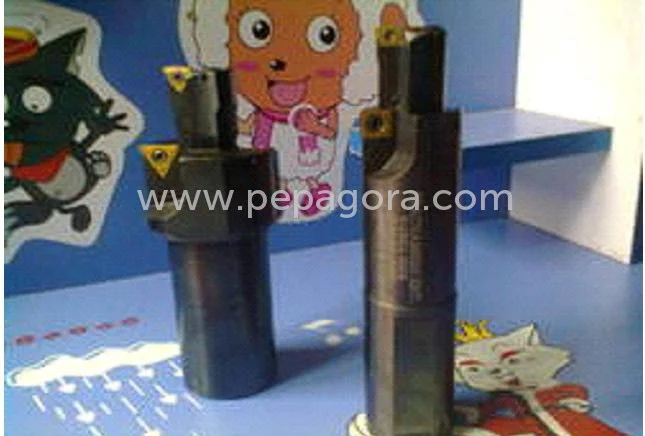
Industrial Combination Boring Bars represent a significant advancement in machining technology, designed to perform multiple operations simultaneously without tool changes. These precision instruments execute boring of different diameters, spot facing, and chamfering in a single pass, dramatically improving operational efficiency. Engineered for durability and precision, they maintain tight tolerances even under continuous use in demanding industrial environments. Their robust construction ensures consistent performance across various materials, making them indispensable tools for modern manufacturing facilities seeking to optimize production processes and reduce downtime.

These tools find extensive application across numerous industries including automotive, aerospace, oil and gas, and general engineering. In automotive manufacturing, they are crucial for producing engine components, transmission parts, and braking systems. The aerospace sector utilizes them for machining turbine components, landing gear parts, and structural elements requiring high precision. Oil and gas industries rely on combination boring bars for creating perfectly machined valves, pumps, and pipeline components. General engineering applications include production of industrial machinery, hydraulic systems, and precision equipment where multiple machining operations are required on single workpieces.

The business value of combination boring bars lies in their ability to significantly reduce production costs while improving output quality. By eliminating multiple setup changes and tool adjustments, they minimize machine downtime and labor requirements. Their reliability ensures consistent part quality batch after batch, reducing rejection rates and material waste. The high-quality construction and precision engineering provide competitive advantages in specialized markets. This combination of efficiency, reliability, and performance makes them a smart investment for manufacturers looking to enhance their operational capabilities and maintain competitive positioning.

Key Features:
- Simultaneous execution of boring, spot facing, and chamfering operations
- Precision engineering for maintaining tight machining tolerances
- Robust construction suitable for continuous industrial applications
- Compatibility with both CNC and conventional machining centers
- Durable design ensuring long service life across various materials

Benefits:
- Reduced production cycle times through elimination of tool changes
- Improved operational efficiency with single-pass machining capability
- Consistent high-quality output with minimal part rejection rates
- Lower labor requirements and reduced machine downtime
- Enhanced production flexibility across diverse material types
Specifications
| Additional Information | |
|---|---|
| Country of Origin | India |
| Customisable | No |
Application
Combination boring bars are engineered for complex machining tasks where multiple operations must be completed in a single setup. They deliver high precision and repeatability for applications like hydraulic components, engine blocks, and precision fittings. By eliminating multiple tool changes, they significantly reduce cycle times and minimize errors in high-volume production environments, ensuring consistent quality across batches.

These tools serve industries including automotive, aerospace, and heavy machinery manufacturing, handling diverse materials like steel, cast iron, and alloys. Their versatile design ensures reliable performance in both CNC and conventional lathes, supporting just-in-time manufacturing and lean production processes. This adaptability makes them suitable for large-scale industrial operations and specialized job shops seeking to optimize workflow efficiency.
- Machining engine blocks and cylinder heads for automotive production
- Producing precision bores and chamfers in hydraulic valve bodies
- Manufacturing pump housings and compressor components
- Creating accurately bored flanges and fittings for pipeline systems
- Fabricating transmission cases and gearbox components in heavy machinery
Trade Details
| Available Stock | In stock |
| Sample Availability | No |
Payment Terms
| Payment Terms |
|
Company Profile
Prathamesh Enterprises, Maharashtra
 Maharashtra, India
Maharashtra, IndiaTools & Hardware•ManufacturerTrading Company
Factory Details
Factory SizeBelow 1000 sqm
Annual Production Capacity0
Industrial Combination Boring Bars For Precision Machining
Industrial Combination Boring Bars enable simultaneous boring, spot facing, and chamfering operations in one pass. These precision tools boost machining efficiency, reduce setup times, and ensure reliable performance for manufacturers requiring high-accuracy components across various industries.
Min. Order Quantity: 1 units
Shipping
Shipping fee and delivery date to be negotiated. Contact supplier now for more details.
Prathamesh Enterprises Maharashtra, India
Maharashtra, IndiaTools & HardwareManufacturer