
 IN
INundefined
Description
The Ultrasonic Pulse Velocity Tester represents the gold standard in non-destructive testing technology for construction materials. This sophisticated instrument operates by transm...
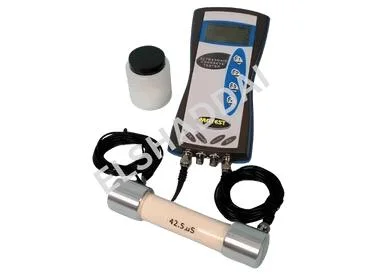
The Ultrasonic Pulse Velocity Tester represents the gold standard in non-destructive testing technology for construction materials. This sophisticated instrument operates by transmitting high-frequency ultrasonic pulses through concrete and other building materials, precisely measuring the time taken for these pulses to travel through the material. The velocity of these pulses directly correlates with the material's density, elasticity, and overall structural integrity, providing invaluable data about internal conditions without any destructive sampling. Engineered to deliver exceptional accuracy and reliability, this tester features advanced digital signal processing that ensures consistent readings even in challenging field conditions. Its robust construction and user-friendly interface make it accessible for both seasoned technicians and new operators, while maintaining compliance with international standards including IS 13311, ASTM C597, and BS 1881:203 protocols.

This testing equipment has become indispensable across numerous industries where structural integrity and material quality are paramount. In the construction sector, it's routinely used for quality assurance in building projects, from residential complexes to commercial skyscrapers. Infrastructure development companies rely on it for monitoring bridges, tunnels, dams, and highways throughout their lifecycle. The manufacturing industry utilizes these testers for quality control in precast concrete production, while government agencies and inspection bodies employ them for regulatory compliance verification. Research institutions and material testing laboratories incorporate UPV testers in their analytical workflows, contributing to advancements in construction material science and engineering methodologies.

The business value of implementing Ultrasonic Pulse Velocity Testing extends far beyond basic quality control. For construction firms and infrastructure developers, this instrument provides critical data that helps prevent costly structural failures and extends the service life of assets. The non-destructive nature of testing means structures remain intact and operational during inspection, eliminating downtime and repair costs associated with traditional destructive testing methods. The reliability of results ensures confident decision-making in material selection, construction quality approval, and maintenance planning. With customization options available, businesses can tailor the equipment to their specific operational requirements, enhancing workflow efficiency and maximizing return on investment through years of dependable service.

Key Features:
- High-resolution digital display for clear reading of test results
- Portable and rugged design suitable for both laboratory and field use
- Advanced pulse velocity measurement with exceptional accuracy
- Compliance with international standards IS 13311, ASTM C597, and BS 1881:203
- Customizable testing parameters and data output options

Benefits:
- Enables non-destructive testing without damaging structures or materials
- Provides early detection of internal flaws preventing potential failures
- Supports informed decision-making in construction and maintenance planning
- Reduces long-term maintenance costs through proactive quality assessment
- Enhances project credibility and compliance with quality standards
Specifications
| Additional Information | |
|---|---|
| Country of Origin | 106 |
| Customisable | No |
Application
The Ultrasonic Pulse Velocity Tester serves critical roles in construction quality assurance and structural health monitoring. This advanced NDT instrument accurately evaluates concrete homogeneity, detects internal flaws, and assesses material strength without causing damage to structures. Its precise measurements help engineers make informed decisions about structural safety and maintenance requirements across various construction phases.

This testing equipment finds extensive application in multiple industrial sectors including civil engineering, infrastructure development, and construction materials manufacturing. Professionals rely on it for regular quality control checks, pre-purchase material verification, and long-term structural monitoring programs. The device's versatility makes it suitable for both laboratory research and demanding field conditions, providing consistent performance across different environmental scenarios. Real-world applications:
Real-world applications:
- Bridge and overpass structural integrity assessments during routine maintenance inspections
- Concrete quality verification in dam and reservoir construction projects
- Detection of honeycombing and voids in tunnel lining and underground structures
- Building safety evaluations for real estate developers and property assessment firms
- Quality control in precast concrete manufacturing and construction material production
Trade Details
| Available Stock | In stock |
| Sample Availability | No |
Payment Terms
| Payment Terms |
|
Shipping & Logistics
| Shipping Internationally | No | |
| Methods | -- | |
| IncoTerms | -- | |
| Port of Dispatch | Chennai | |
| Packaging Type | -- | |
| Units per Package | -- | |
| Barcode / HSN / GTIN / UPC | -- | |
| Dispatch Lead time | -- |
Company Profile

Elshaddai Engineering Equipments, Tamil Nadu Tamil Nadu, India
Tamil Nadu, IndiaIndustrial Equipment & Machinery•ManufacturerImporter / Exporter
Factory Details
Factory SizeBelow 1000 sqm
Professional Ultrasonic Pulse Velocity Tester for Concrete NDT Testing
Professional Ultrasonic Pulse Velocity Tester for accurate non-destructive concrete testing. Measures material quality, detects cracks and voids, ensures structural integrity compliance with global standards. Essential for construction and infrastructure industries.
Min. Order Quantity: 1 Unit
Shipping
Shipping fee and delivery date to be negotiated. Contact supplier now for more details.
Elshaddai Engineering Equipments
 Tamil Nadu, India
Tamil Nadu, IndiaIndustrial Equipment & MachineryManufacturer