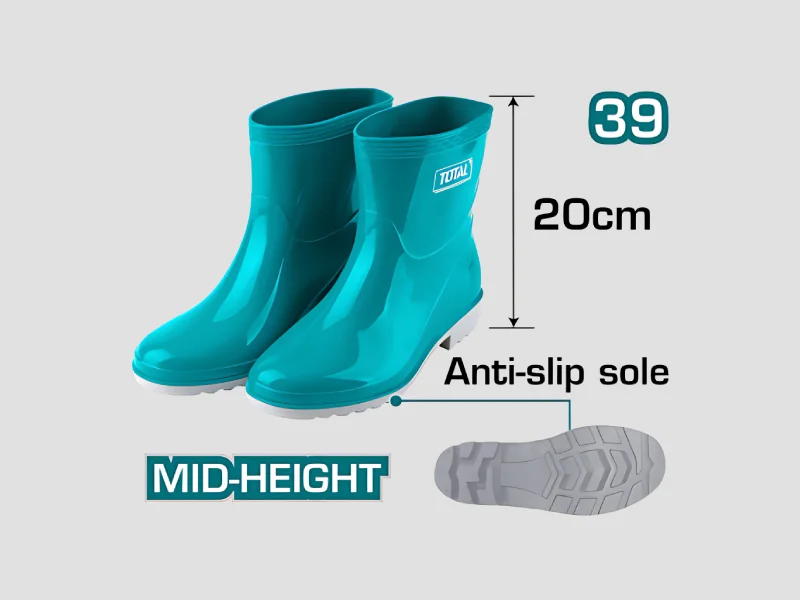
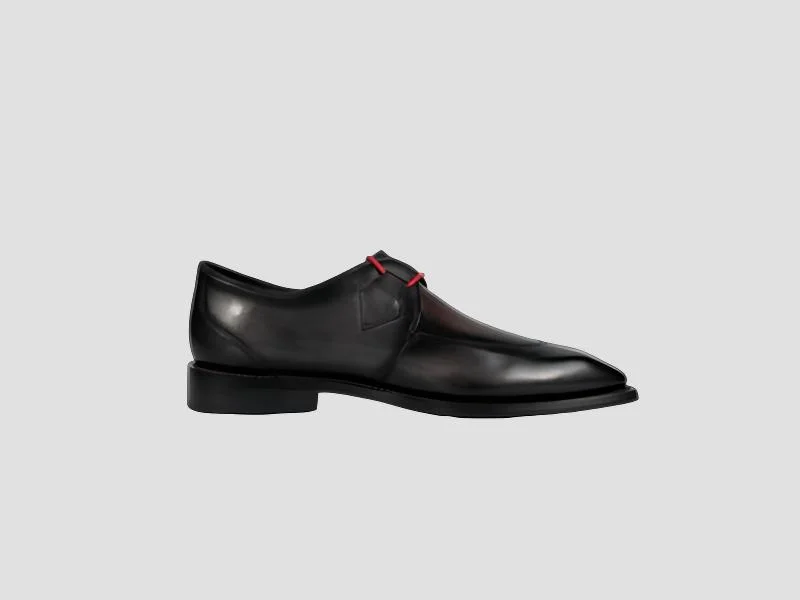
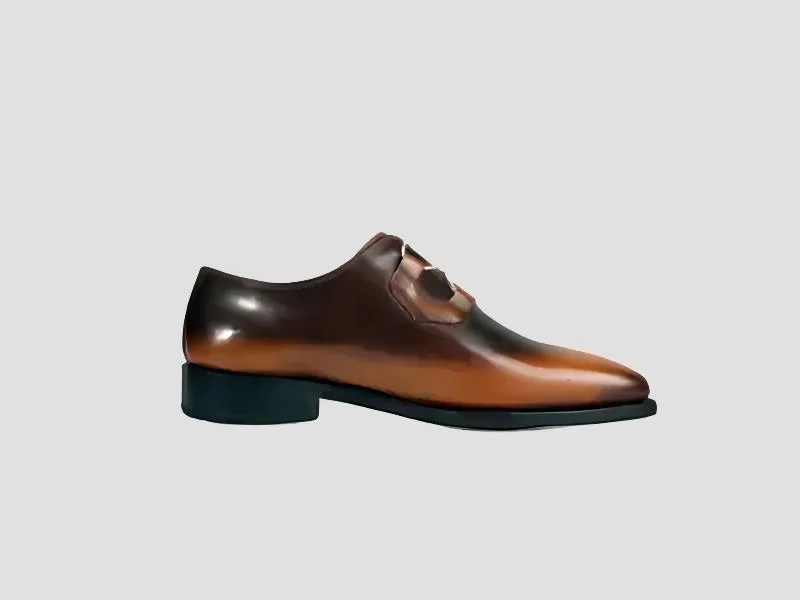
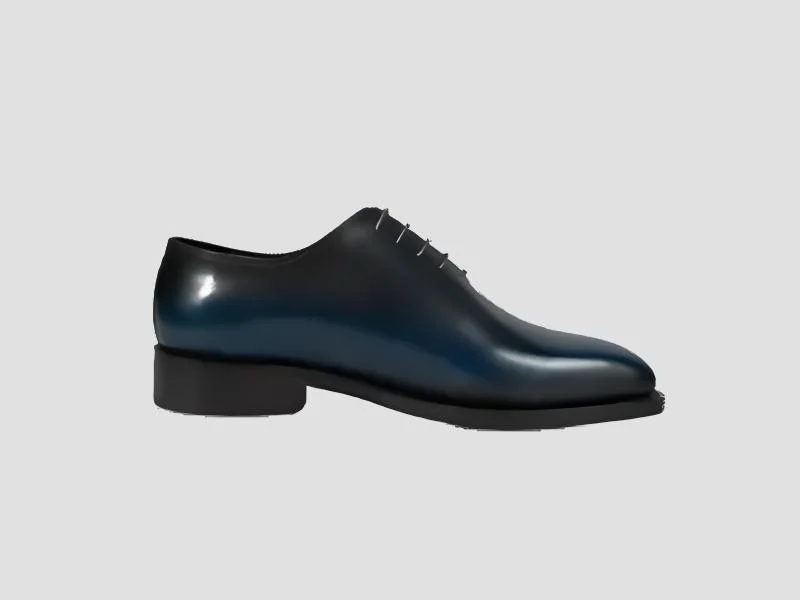
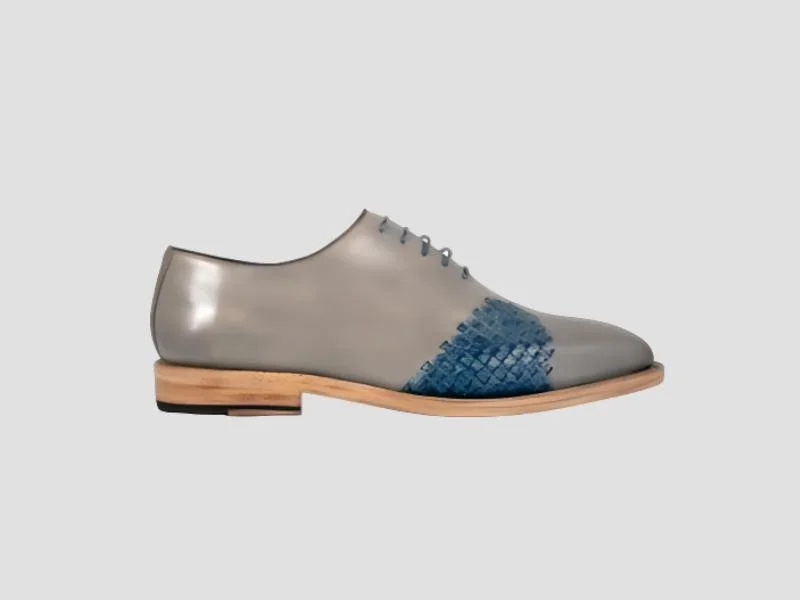
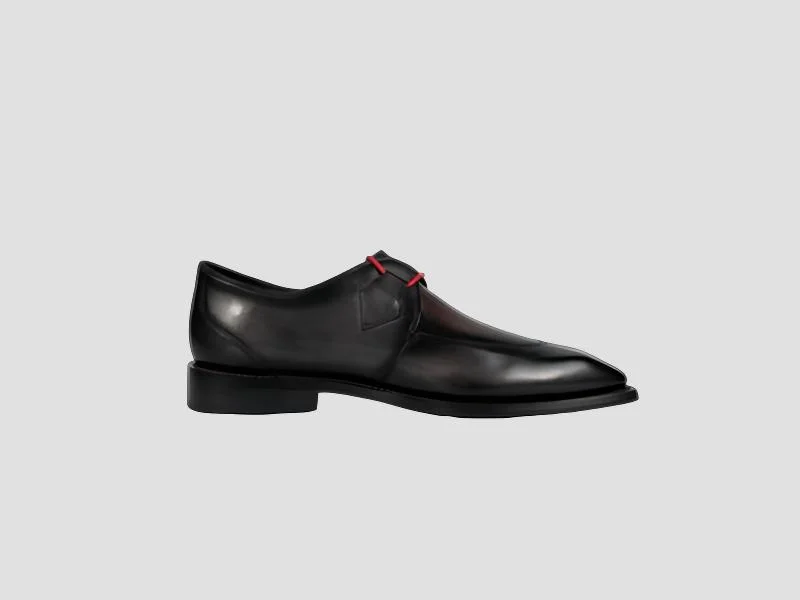
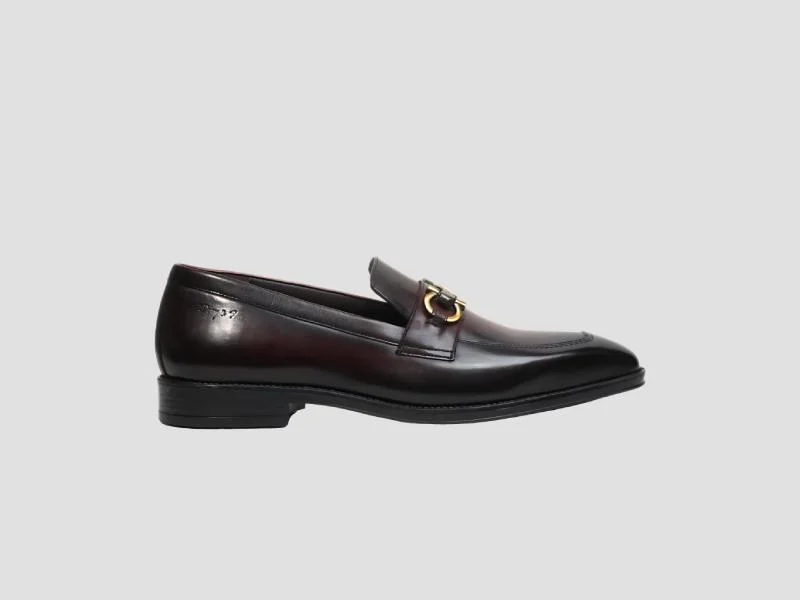
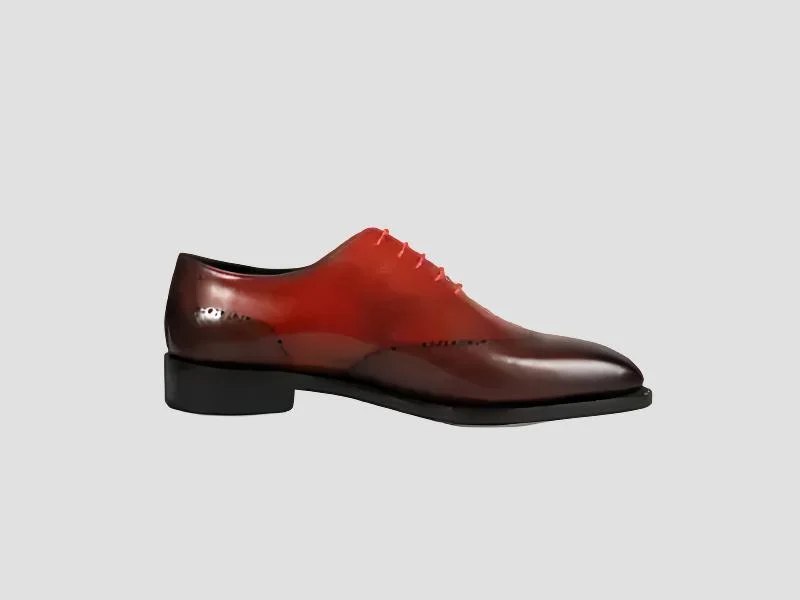
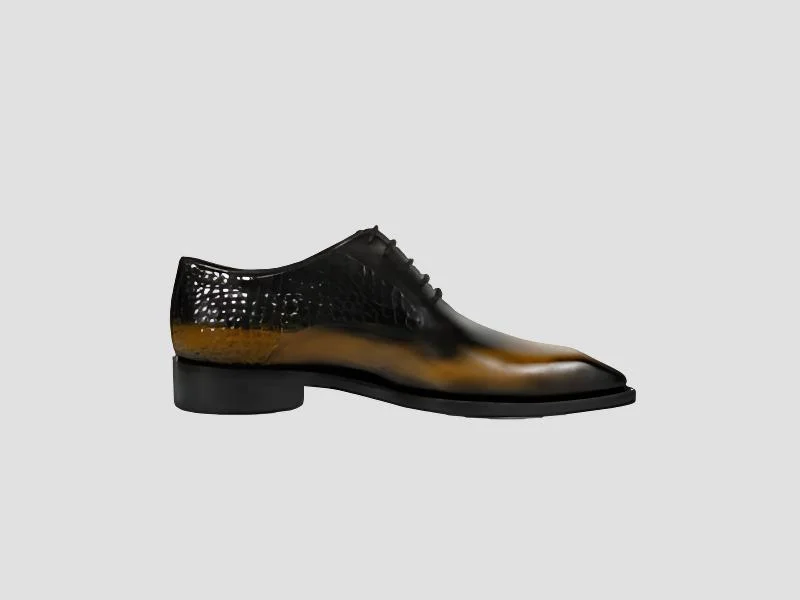
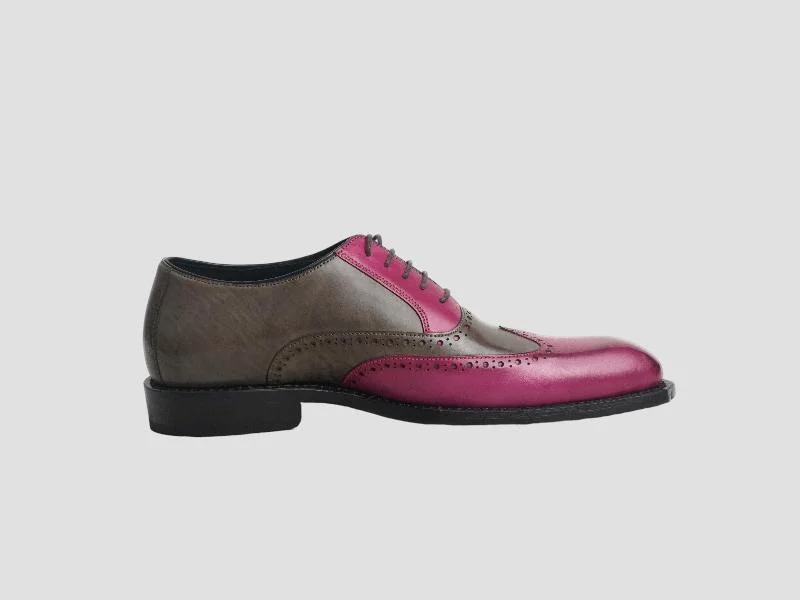
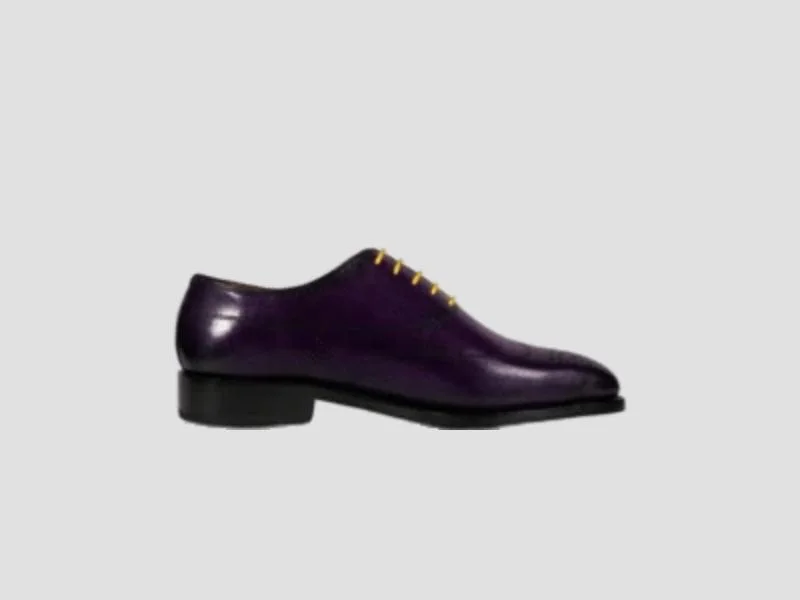
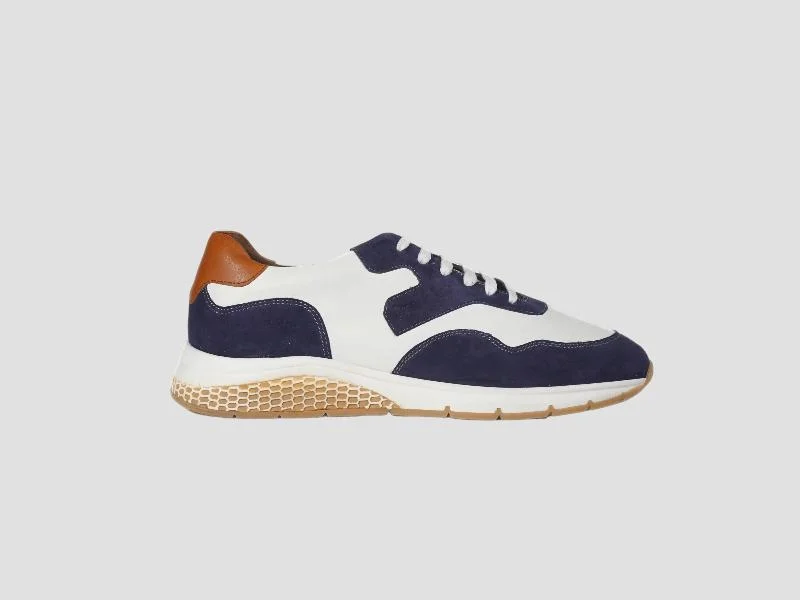
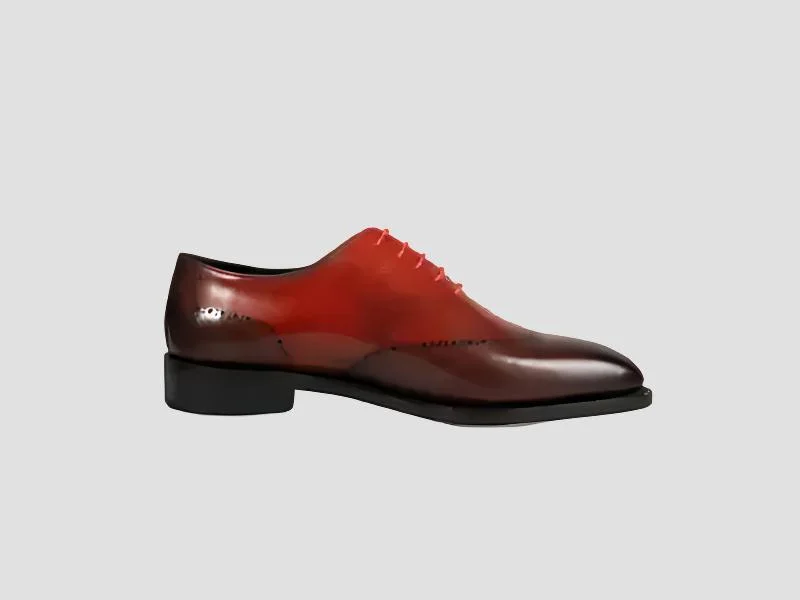
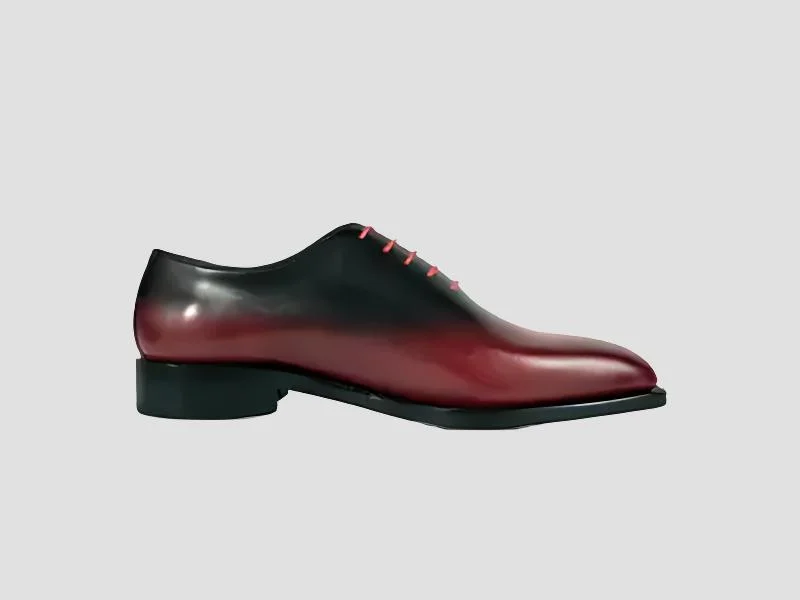
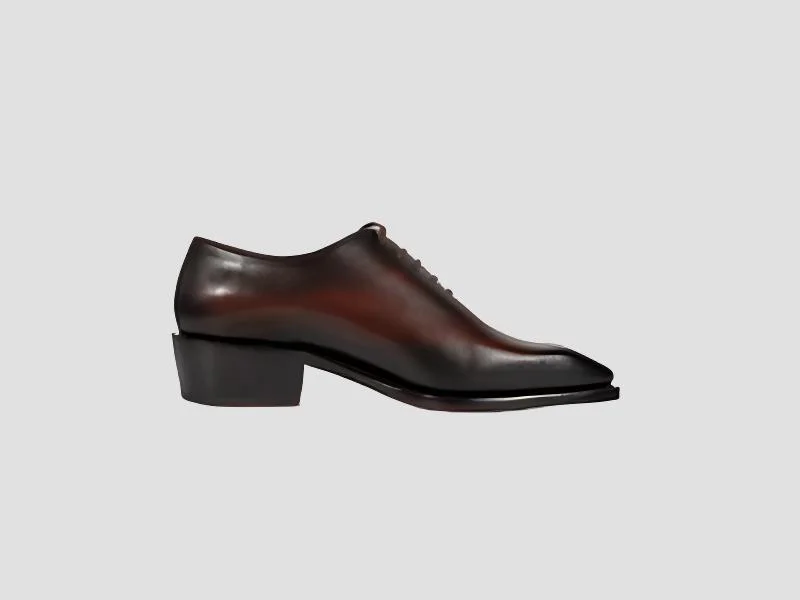
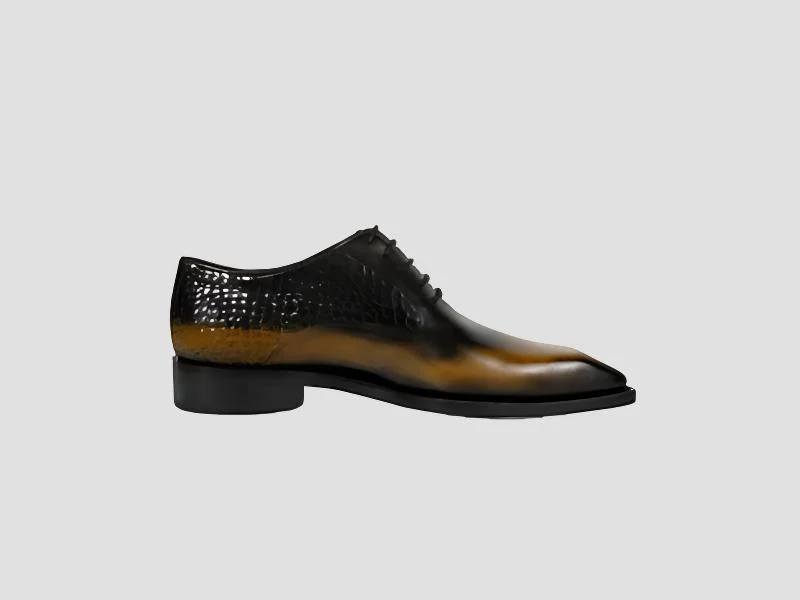
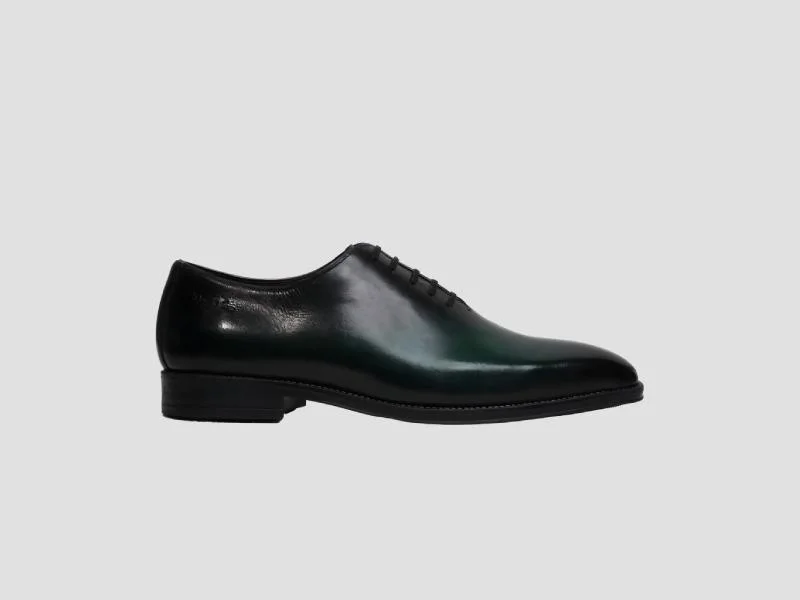
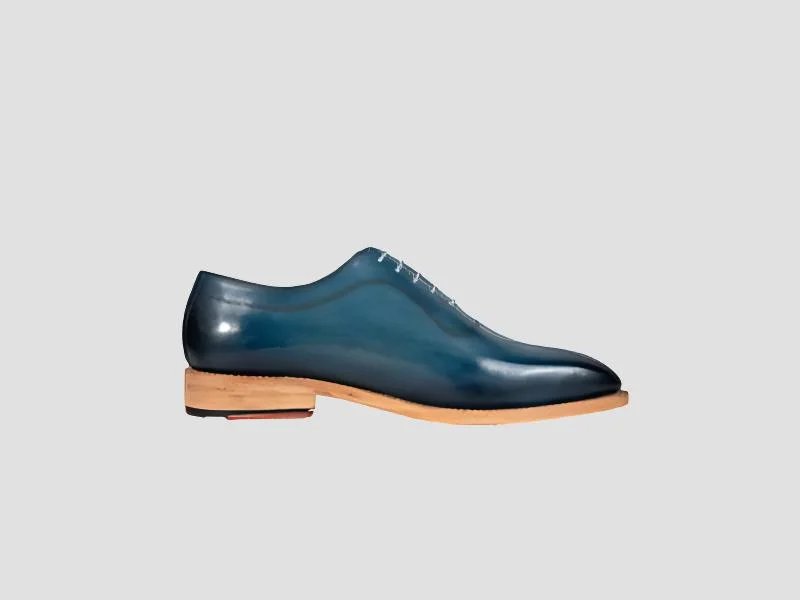
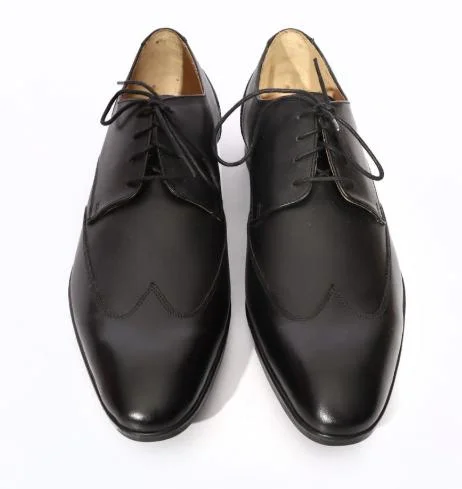
𝗪𝗵𝗮𝘁 𝗮𝗿𝗲 𝗠𝗲𝗻'𝘀 𝗦𝗵𝗼𝗲𝘀, 𝗕𝗼𝗼𝘁𝘀, 𝗦𝗮𝗻𝗱𝗮𝗹𝘀?
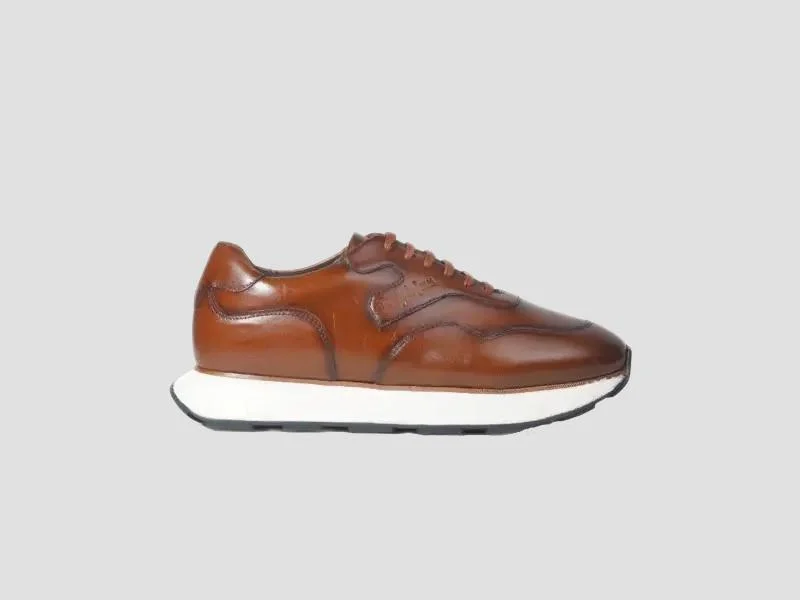
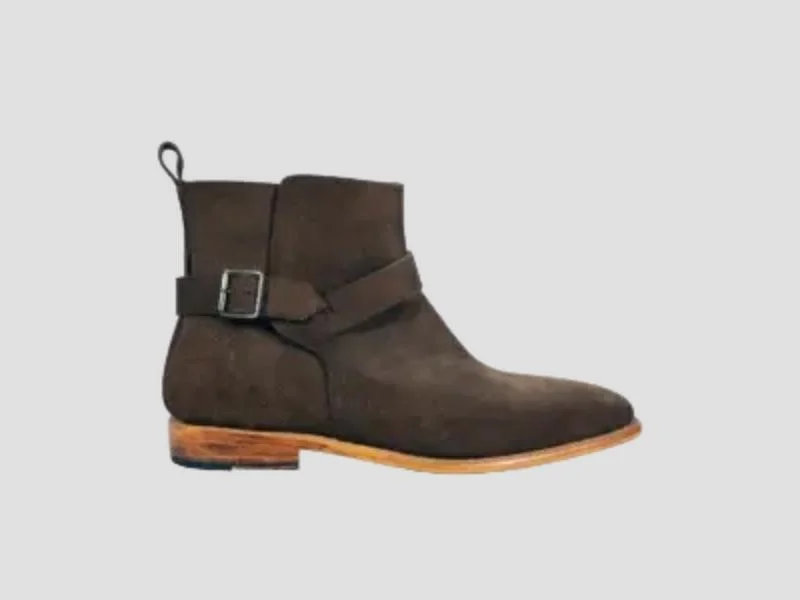
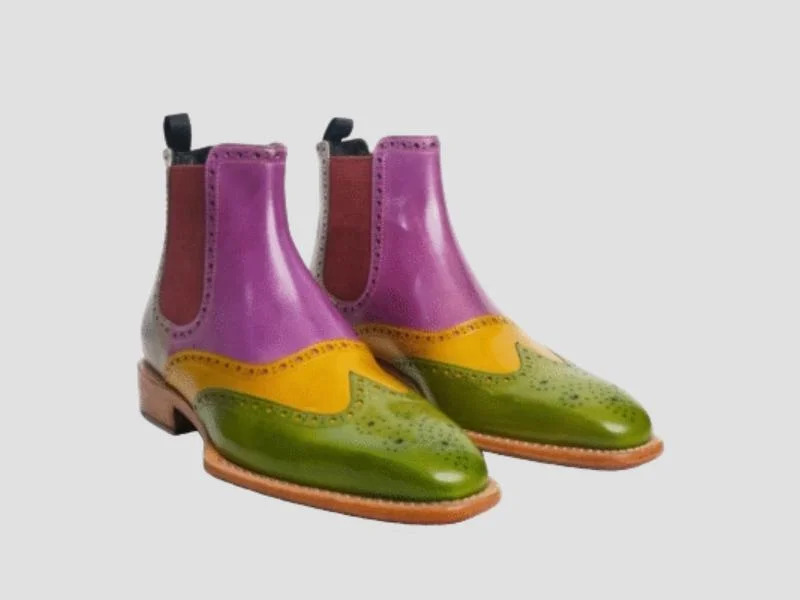
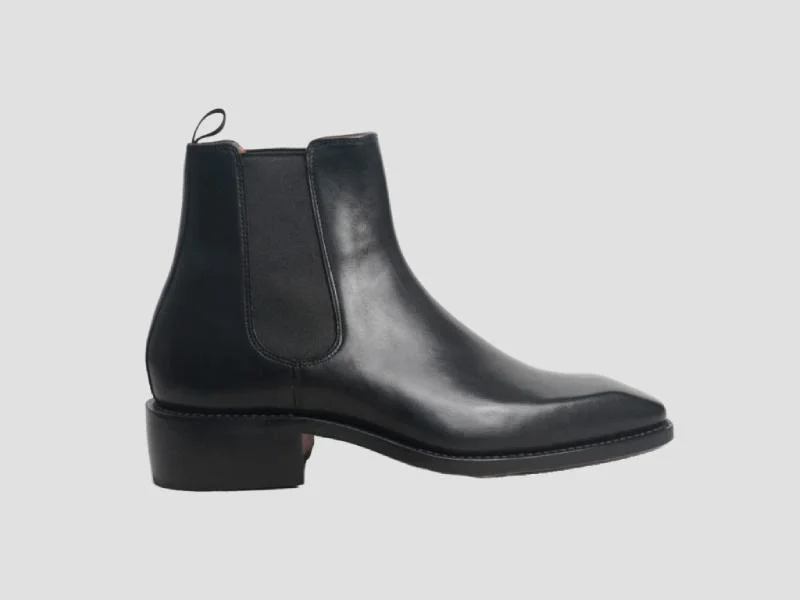
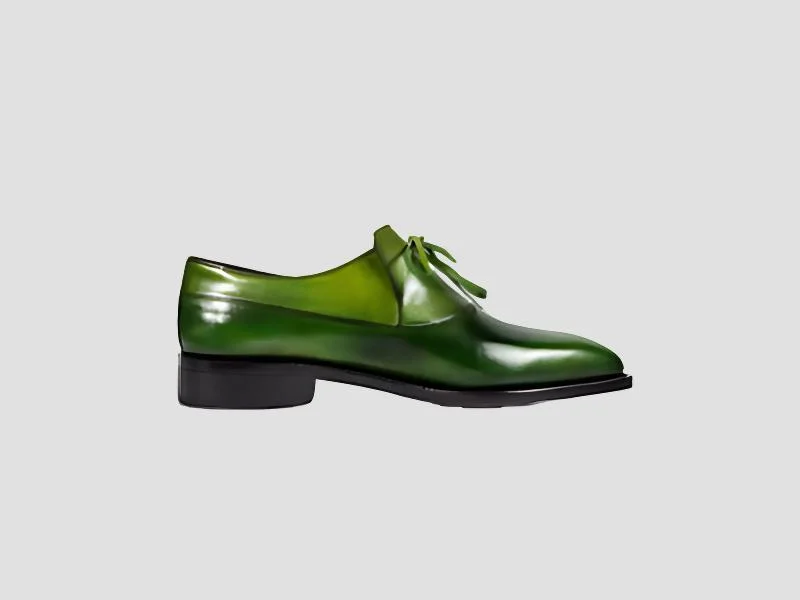
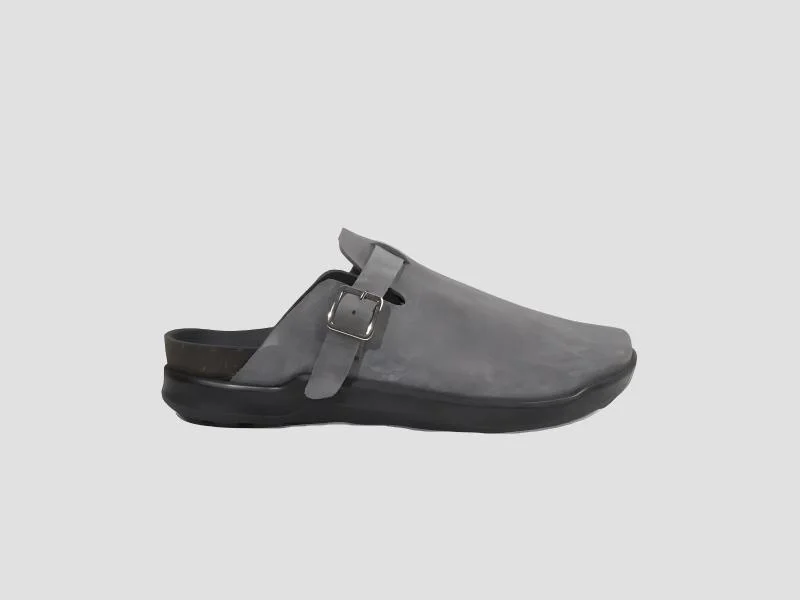
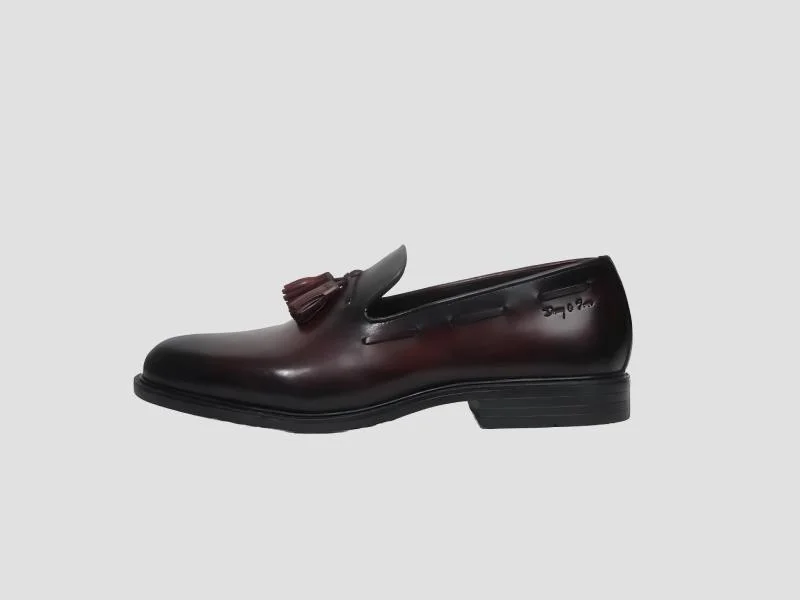
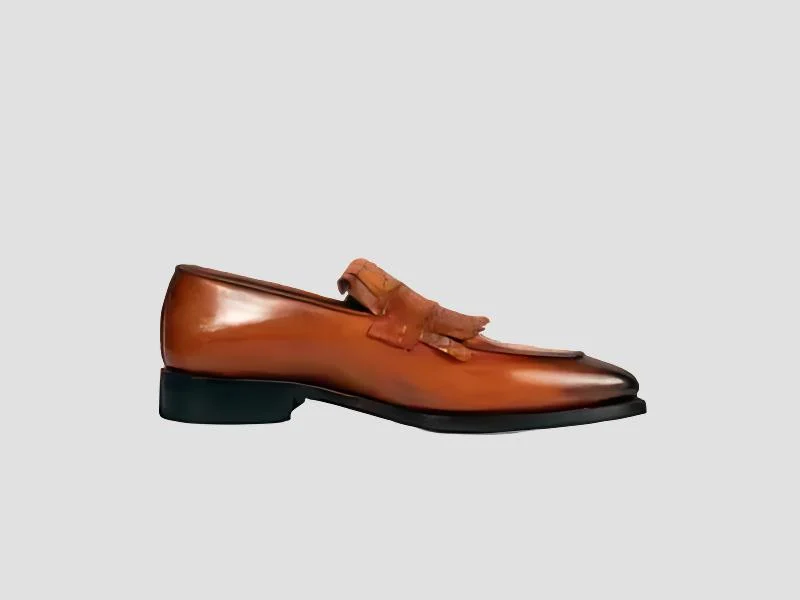
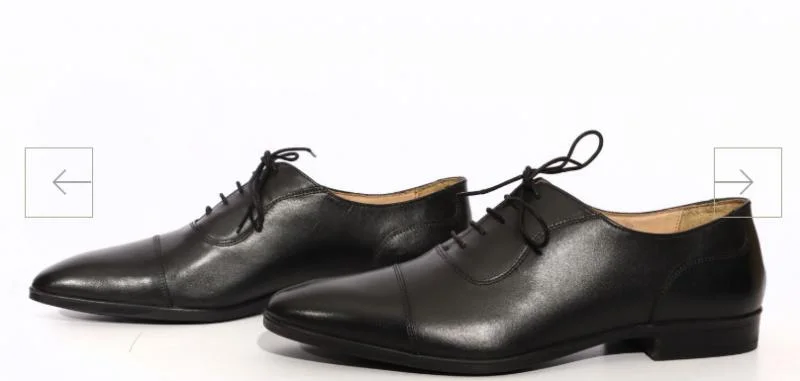
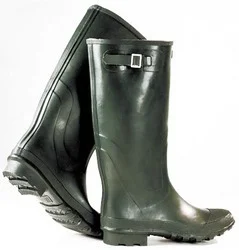
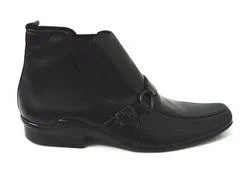
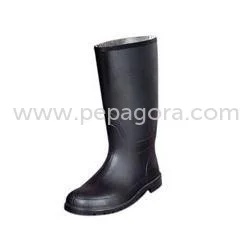
Men's shoes, boots, and sandals encompass a wide variety of footwear designed specifically for men. These products range from formal shoes and rugged boots to casual sandals. Each type of footwear serves unique purposes and caters to different environments, styles, and occasions. Men's shoes typically include dress shoes, loafers, and sneakers, while boots can vary from work boots to fashion boots. Sandals provide an open style option ideal for warmer weather.
These footwear options are essential in numerous business applications, including retail, hospitality, and outdoor industries. For instance, formal shoes are commonly worn in corporate environments, whereas boots are utilized in construction and agricultural sectors. Sandals may find their place in leisure and tourism settings. Understanding the different types of men's footwear helps businesses select appropriate options for their operations and align with industry standards.
The footwear market continues to grow, driven by fashion trends, consumer preferences, and functionality. As businesses expand globally, the demand for quality men's shoes, boots, and sandals rises. This growth presents opportunities for manufacturers, suppliers, and retailers to innovate and meet the evolving needs of the market.
𝗞𝗲𝘆 𝗙𝗲𝗮𝘁𝘂𝗿𝗲𝘀 𝗮𝗻𝗱 𝗦𝗽𝗲𝗰𝗶𝗳𝗶𝗰𝗮𝘁𝗶𝗼𝗻𝘀
Men's shoes, boots, and sandals come with a range of features and specifications that ensure comfort, durability, and style. When selecting footwear, it is crucial to consider these specifications to meet business needs and expectations.
Key specifications include:
1. Material Quality
- Common materials include leather, synthetic fabrics, and rubber
- Durability and breathability vary based on material choice
2. Sizing Options
- Available in a wide range of sizes to accommodate diverse foot shapes
- Custom sizing may be offered by some manufacturers
3. Sole Construction
- Types include rubber, leather, or polyurethane soles
- Varying grip levels for different environments
4. Design Styles
- Includes formal, casual, and sporty designs
- Variability in aesthetics to match different trends
5. Waterproof Features
- Some boots and shoes offer waterproof or water-resistant options
- Ideal for outdoor or wet environments
6. Comfort Technology
- Features such as cushioned insoles and arch support
- Essential for prolonged wear and physical activities
7. Safety Standards
- Compliance with safety standards for work boots, including slip-resistant soles
- Protection against electrical hazards and other workplace risks
8. Color Options
- Variety of colors available to match different attire
- Custom color options may be available for bulk orders
In summary, understanding the key features and specifications of men's shoes, boots, and sandals is essential for making informed purchasing decisions in the B2B space.
𝗖𝗼𝗺𝗺𝗼𝗻 𝗔𝗽𝗽𝗹𝗶𝗰𝗮𝘁𝗶𝗼𝗻𝘀 𝗮𝗻𝗱 𝗨𝘀𝗲 𝗖𝗮𝘀𝗲𝘀
Men's shoes, boots, and sandals serve numerous industries, each with specific applications that cater to the needs of the workforce.
1. Retail: Footwear is a significant segment in retail, offering various styles for customers. Retailers often stock a variety of options to attract different demographics.
2. Hospitality: Hotels and restaurants require formal and casual footwear for staff. Appropriate footwear enhances the professional appearance of employees.
3. Construction: Work boots are essential in construction environments for safety and durability. They protect workers from hazards while providing comfort during long hours.
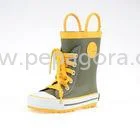
4. Outdoor Recreation: Sandals and boots are popular in outdoor activities such as hiking and camping. They provide comfort and protection during excursions.
5. Health Care: Non-slip shoes are crucial for health care professionals to ensure safety while on duty. Comfort and support are also key factors in this industry.
6. Tourism: Sandals are widely used in tourist destinations, providing comfort to travelers exploring various attractions. They are ideal for warm climates.
7. Sports: Athletic shoes are essential for various sports and fitness activities. They are designed for performance and support during physical exertion.
𝗣𝗿𝗼𝗱𝘂𝗰𝘁 𝗩𝗮𝗿𝗶𝗮𝗻𝘁𝘀 𝗮𝗻𝗱 𝗦𝘂𝗯𝗰𝗮𝘁𝗲𝗴𝗼𝗿𝗶𝗲𝘀
Men's shoes, boots, and sandals come in various product variants, catering to different needs and preferences.
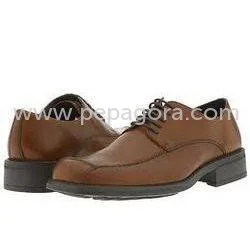
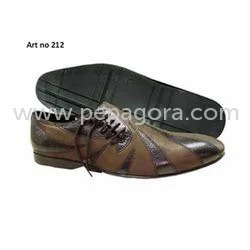
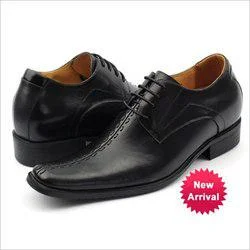
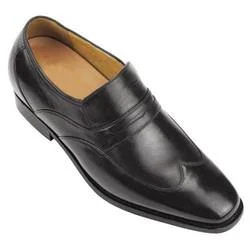
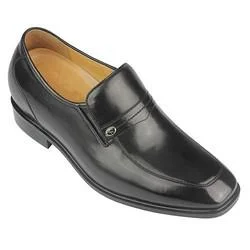
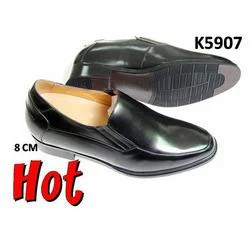
Dress Shoes: These shoes are designed for formal occasions, featuring polished leather and classic styles. They are suitable for business meetings and formal events.
Casual Shoes: These include sneakers and loafers, providing comfort and style for everyday wear. They are versatile and can be paired with various outfits.
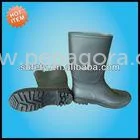
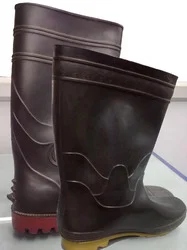
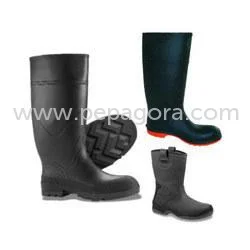
Work Boots: Specifically designed for safety in demanding environments, these boots often include features like steel toes and slip-resistant soles. They are ideal for construction and industrial settings.
Athletic Shoes: Engineered for sports and physical activities, these shoes emphasize performance and support. They are essential for athletes and fitness enthusiasts.
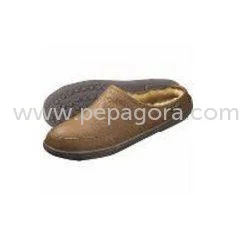
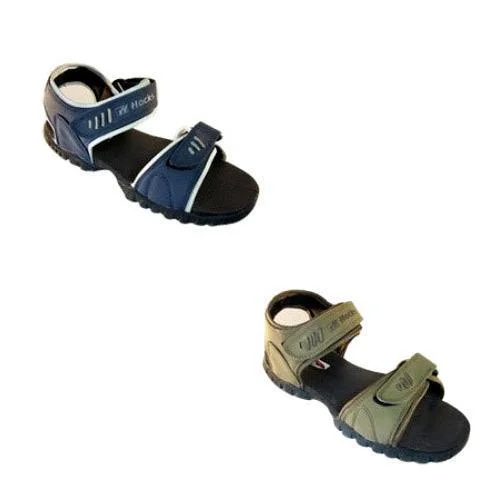
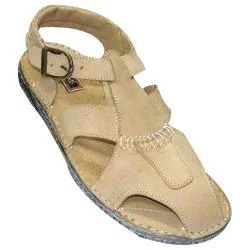
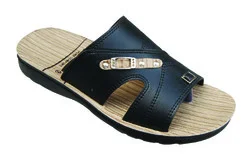
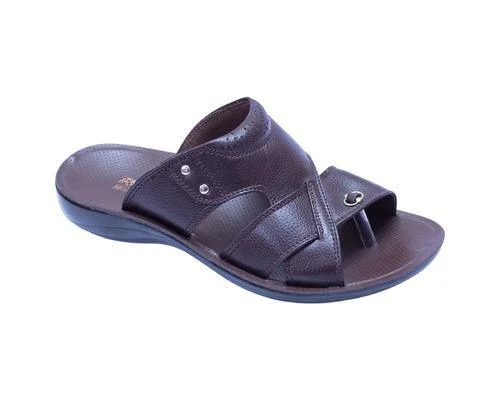
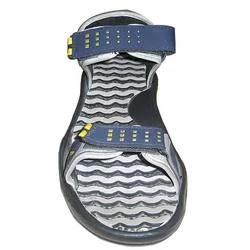
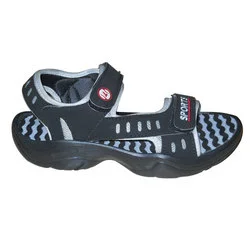
Sandals: Available in various styles, sandals are perfect for warm weather. They provide breathability and comfort, making them suitable for casual outings.
𝗕𝗲𝗻𝗲𝗳𝗶𝘁𝘀 𝗮𝗻𝗱 𝗔𝗱𝘃𝗮𝗻𝘁𝗮𝗴𝗲𝘀
Men's shoes, boots, and sandals offer several advantages that make them an essential choice for businesses.
1. Versatility: With various styles available, these footwear options can suit different occasions, from formal events to casual outings.
2. Comfort: Many designs prioritize comfort, ensuring that wearers can remain on their feet for extended periods without discomfort.
3. Safety: Work boots and shoes often include safety features that protect against workplace hazards, helping to reduce injury risks.
4. Durability: Quality materials and construction lead to longer-lasting footwear, reducing the need for frequent replacements.
5. Brand Image: The right footwear can enhance a company's professional image, especially in customer-facing industries like hospitality and retail.
6. Customization: Many manufacturers offer customization options, allowing businesses to brand their footwear or meet specific requirements.
𝗕𝘂𝘆𝗶𝗻𝗴 𝗚𝘂𝗶𝗱𝗲 𝗳𝗼𝗿 𝗕𝟮𝗕 𝗕𝘂𝘆𝗲𝗿𝘀
When sourcing men's shoes, boots, and sandals, it is important for B2B buyers to consider various factors to ensure they make the right choice for their needs.
1. Quality Assessment: Evaluate the quality of materials and construction. Look for footwear that meets industry standards and offers durability for intended use.
2. Supplier Verification: Research and vet potential suppliers to ensure they have a reliable reputation and provide high-quality products.
3. Pricing and MOQ: Consider the pricing structure and minimum order quantities. Understand the cost implications for bulk purchases and budget accordingly.
4. Delivery and Lead Times: Discuss logistics and lead times with suppliers. Timely delivery is critical for maintaining inventory and meeting customer demand.
5. Compliance Requirements: Be aware of any regulatory or compliance requirements specific to the industry, ensuring that the footwear meets safety and quality standards.
𝗖𝗼𝗺𝗽𝗹𝗶𝗮𝗻𝗰𝗲 𝗮𝗻𝗱 𝗖𝗲𝗿𝘁𝗶𝗳𝗶𝗰𝗮𝘁𝗶𝗼𝗻𝘀
Men's shoes, boots, and sandals must adhere to various compliance and certification standards to ensure product safety and quality. Relevant quality standards such as ISO 9001 emphasize the importance of consistent quality management systems in manufacturing. These standards help businesses maintain high levels of product reliability.
Additionally, industry certifications like CE signify conformity with health, safety, and environmental protection standards within the European market. Compliance with such certifications is crucial for businesses aiming to sell in these regions.
Safety testing requirements are also essential, especially for work-related footwear. Products may undergo rigorous testing to ensure they meet safety standards for slip resistance, puncture resistance, and electrical hazards. Furthermore, regional compliance considerations should not be overlooked, as different regions may have specific regulations governing footwear safety and quality.
𝗪𝗵𝘆 𝗦𝗼𝘂𝗿𝗰𝗲 𝗠𝗲𝗻'𝘀 𝗦𝗵𝗼𝗲𝘀, 𝗕𝗼𝗼𝘁𝘀, 𝗦𝗮𝗻𝗱𝗮𝗹𝘀 𝗳𝗿𝗼𝗺 𝗣𝗲𝗽𝗮𝗴𝗼𝗿𝗮?
Pepagora provides a trusted platform for sourcing men's shoes, boots, and sandals, offering several key advantages for B2B buyers.
Verified Supplier Network: Pepagora connects buyers with a network of verified suppliers. This ensures that businesses can source quality products with confidence, knowing that suppliers have been vetted for reliability.
Streamlined RFQ Process: The Request for Quotation (RFQ) process on Pepagora is designed to be efficient. Buyers can easily request quotes from multiple suppliers, enabling them to compare prices and terms swiftly.
Trade Assurance and Support: Pepagora offers buyer protection through trade assurance. This feature provides peace of mind for businesses, knowing they are supported throughout the purchasing process.
Regional Coverage: With a geographic reach that includes India, the GCC, and Southeast Asia, Pepagora enables businesses to connect with suppliers in key markets. This broad coverage facilitates sourcing and logistics, making it easier for companies to find the right footwear solutions for their needs.

 IN
IN