IN
₹
Apparel & Fashion
Description
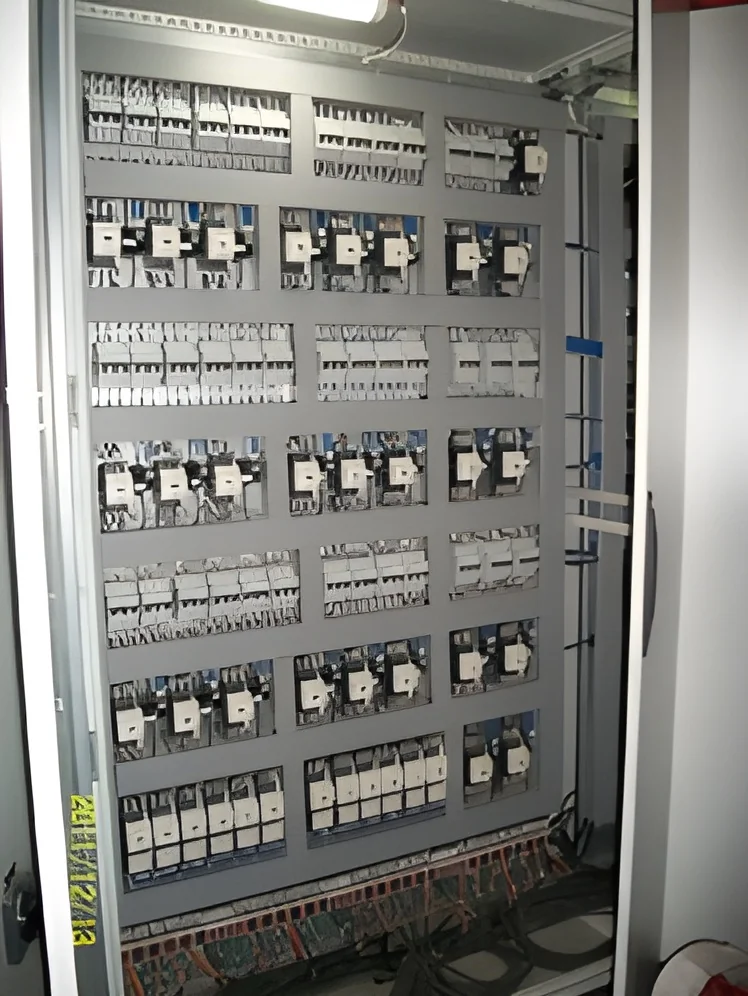
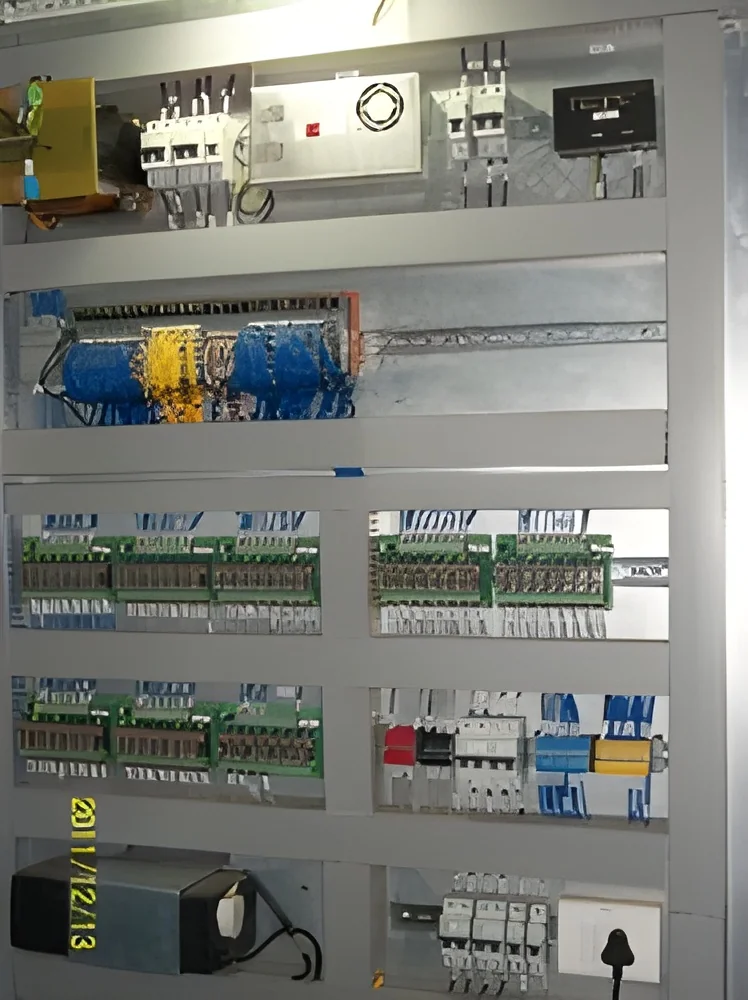
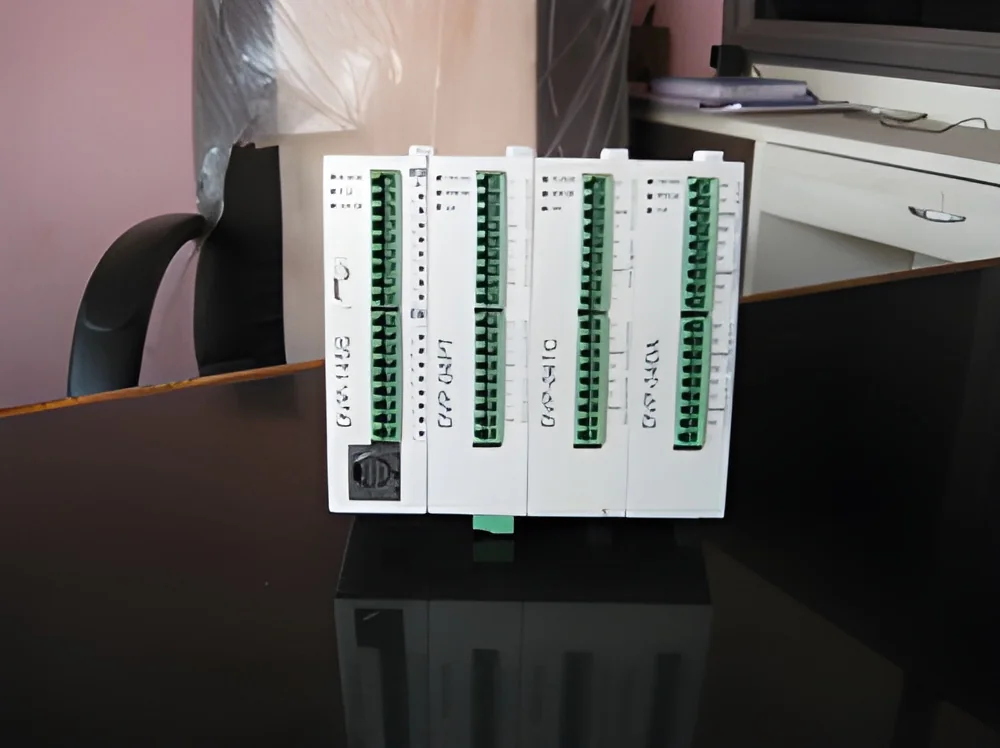
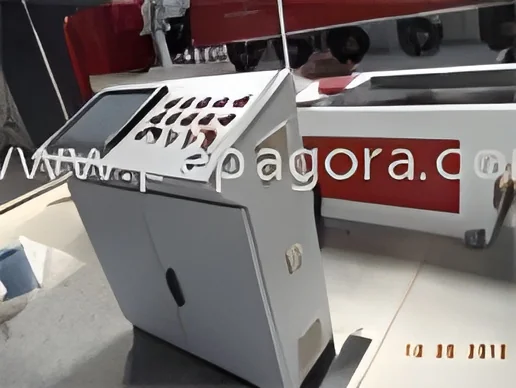
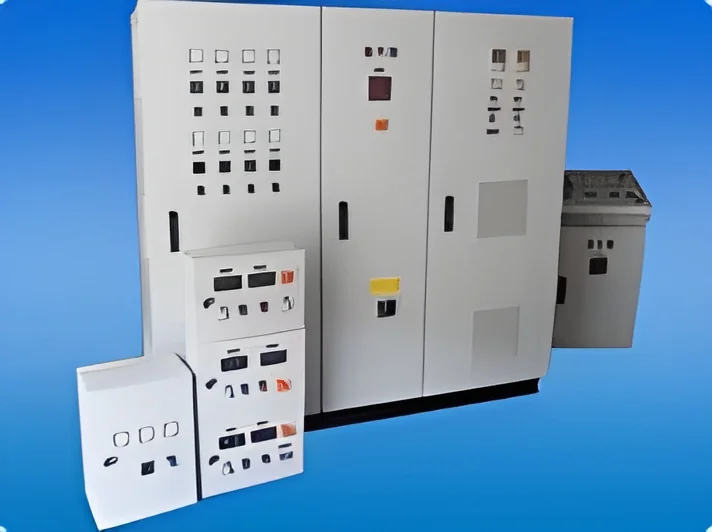
Industrial Electrical Automation Control Panels are sophisticated systems designed to centralize command and monitoring for automated industrial equipment. They house critical components like Programmable Logic Controllers (PLCs), Human-Machine Interfaces (HMIs), relays, contactors, and circuit protection devices in a unified, robust enclosure. Their primary function is to execute precise control logic, manage sequential operations, and ensure the safe interaction of various machines within a process. By integrating these components, the panels facilitate seamless communication, optimize energy consumption, enhance system responsiveness, and provide a clear interface for operators. This centralized control is pivotal for reducing manual errors, maintaining consistent output quality, and safeguarding both personnel and equipment in challenging industrial environments.

These control panels are indispensable across a wide spectrum of industries. In manufacturing, they are the brains behi...
Industrial Electrical Automation Control Panels are sophisticated systems designed to centralize command and monitoring for automated industrial equipment. They house critical components like Programmable Logic Controllers (PLCs), Human-Machine Interfaces (HMIs), relays, contactors, and circuit protection devices in a unified, robust enclosure. Their primary function is to execute precise control logic, manage sequential operations, and ensure the safe interaction of various machines within a process. By integrating these components, the panels facilitate seamless communication, optimize energy consumption, enhance system responsiveness, and provide a clear interface for operators. This centralized control is pivotal for reducing manual errors, maintaining consistent output quality, and safeguarding both personnel and equipment in challenging industrial environments.

These control panels are indispensable across a wide spectrum of industries. In manufacturing, they are the brains behind automated production lines, robotic welding, and precision assembly, directly impacting throughput and product consistency. The water treatment sector utilizes them to automate filtration cycles, chemical feed pumps, and sludge handling with precise timing and dosing. Energy and utility plants rely on them for managing switchgear, generator controls, and renewable energy inverters. Within logistics, they orchestrate complex material handling systems, including sorters and palletizers. Furthermore, they are fundamental in process industries like chemicals, pharmaceuticals, and food processing, where they control batch processes, mixing, and packaging lines under strict hygiene and safety protocols.

The value proposition of these panels centers on delivering operational reliability, enhancing safety, and providing a strong return on investment. They are engineered with high-quality components and constructed in enclosures rated for dust, moisture, and corrosion, ensuring longevity even in harsh conditions. Compliance with international standards (like IEC, UL, or NEMA) guarantees a baseline of safety and performance. By automating repetitive and hazardous tasks, they not only boost productivity but also minimize risks to personnel. This automation leads to significant long-term cost savings through reduced energy waste, lower labor requirements, minimized unplanned downtime, and decreased maintenance costs, making them a strategic asset for operations focused on efficiency and growth.

Key Features:
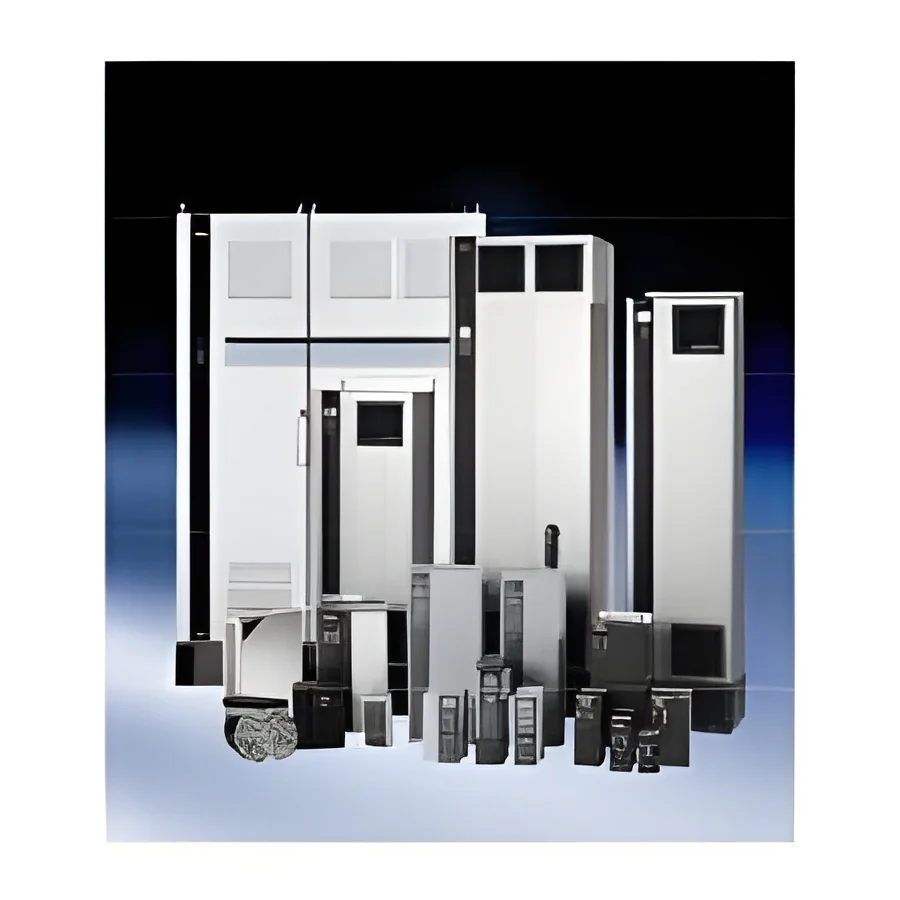
- Robust enclosure construction designed for industrial environments, offering protection against dust, moisture, and corrosion.
- Integration with industry-standard PLCs and HMIs for flexible programming and intuitive operator control.
- Comprehensive safety circuitry including emergency stop buttons, overload relays, and fault indication systems.
- Custom-configured wiring and layout to match specific machine sequences and spatial requirements.
- Built to comply with relevant international electrical and safety standards for assured reliability.

Benefits:
- Enhances operational safety by centralizing control and incorporating critical emergency shutdown features.
- Increases production efficiency and consistency through precise, repeatable automation of complex processes.
- Reduces long-term operational costs by minimizing manual labor, energy waste, and unplanned equipment downtime.
- Provides scalability and adaptability, allowing the control system to grow with your operational needs.
- Delivers reliable, uninterrupted performance with durable components designed for extended service life in tough conditions.
Specifications
| Additional Information | |
|---|---|
| Country of Origin | India |
Application
These industrial control panels act as the central command hub for complex machinery and processes, providing precise management of automation sequences, safety interlocks, and performance monitoring. Engineered for demanding environments, they ensure operational continuity, reduce manual intervention, and deliver real-time data insights that drive productivity and prevent costly downtime across diverse industrial settings.
Industries depend on these panels for applications where accuracy, safety, and system reliability are critical. They are essential for automating production lines, managing motor control centers, overseeing energy distribution, and implementing robust safety protocols like emergency shutdowns. Built to rigorous standards, they support scalable operations and can be configured to meet specific process requirements, forming the backbone of efficient and safe industrial infrastructure.
- Automating and synchronizing assembly lines and robotic cells in automotive and electronics manufacturing plants.
- Controlling pumping stations, filtration, and chemical dosing processes in water and wastewater treatment facilities.
- Managing motor control centers (MCCs) and power distribution for machinery in factories and processing plants.
- Overseeing conveyor systems, automated storage, and retrieval systems (AS/RS) in logistics and distribution warehouses.
- Monitoring and controlling critical processes in food & beverage production and pharmaceutical manufacturing for compliance.
Trade Details
| Available Stock | In Stock |
| Sample Availability | No |
Payment Terms
| Payment Terms |
|
Company Profile
Active Automation Systems, Gujarat
 Gujarat, India
Services & Support•Manufacturer•Distributor / Wholesaler•Importer / Exporter
Factory Details
Factory Size1000-5000 sqm
Annual Production Capacity0
Main Markets
North America
Oceania
Northern Europe
South America
Mid East
Southern Europe
Eastern Europe
Eastern Asia
South Asia
Southeast Asia
Western Europe
Africa
Central America
Domestic
Industrial Electrical Automation Control Panels For Precision Safety Efficiency
Industrial Electrical Automation Control Panels deliver precision control, safety, and operational efficiency for manufacturing, warehousing, and plant operations. These reliable panels ensure seamless automation integration and trusted performance.
Min. Order Quantity: 1 unit
Shipping
Shipping fee and delivery date to be negotiated. Contact supplier now for more details.
Active Automation Systems
 Gujarat, India
Services & SupportManufacturer